
We all want our homes to feel safe, comfortable, and energy-efficient. But have you ever heard strange noises coming from your attic or noticed sudden spikes in your energy bills? Animals like rodents, squirrels, and raccoons can easily find their way into attics, causing damage to insulation and creating new headaches for homeowners. Knowing how to protect attic insulation from animals helps prevent costly repairs, improve efficiency, and keep your home secure.
Protecting attic insulation from animals isn’t just about comfort—it helps keep heating and cooling costs down while preventing moisture and air quality issues. Are you worried about how to keep these unwanted visitors out? You’re not alone. Many homeowners face the same challenge and wonder what steps they can take to safeguard their insulation for the long term.
Protect Your Attic from Animal Damage—Start with the Right Insulation Team
Rodents, raccoons, and other critters can quietly destroy attic insulation—raising energy bills, contaminating air, and threatening your home’s safety. At All Seasons Insulation, we specialize in removing damaged insulation and installing animal-resistant solutions that restore comfort and prevent future infestations. From sealing entry points to using smart materials like spray foam or borate-treated cellulose, we offer a complete approach to safeguarding your attic. Contact us today to schedule your inspection and defend your home from the top down.
Understanding the Risks Animals Pose to Attic Insulation
Animals often see attics as safe places to nest, which creates risks for insulation. Rodents, squirrels, raccoons, and bats frequently target attic spaces. Each species brings its own challenges. Rodents chew through fiberglass, cellulose, and spray foam, sometimes damaging insulation layers or even wiring. Squirrels and raccoons, searching for warmth, dig into insulation, compressing it and reducing its ability to regulate indoor temperature. Bats can leave droppings that introduce moisture and contaminants.
Physical damage weakens insulation’s energy-saving performance. Gaps or compressed patches allow heat transfer, causing higher energy use and less comfort. Chewed insulation or nesting materials can lead to uneven coverage, allowing cold drafts or moisture buildup.
Are you noticing increased energy bills or a drop in comfort? These can signal an animal problem in your attic insulation. Animal activity also brings unwanted noise and possible allergens. Contamination from waste or nesting materials impacts air quality and raises health concerns, especially for people sensitive to dust or mold.
How often do you check your attic for evidence of animals? Tracks, droppings, or torn insulation are clear signs of intrusion. Staying alert to these symptoms can help us take early action to protect our attic insulation investment.
Common Signs of Animal Infestation in the Attic
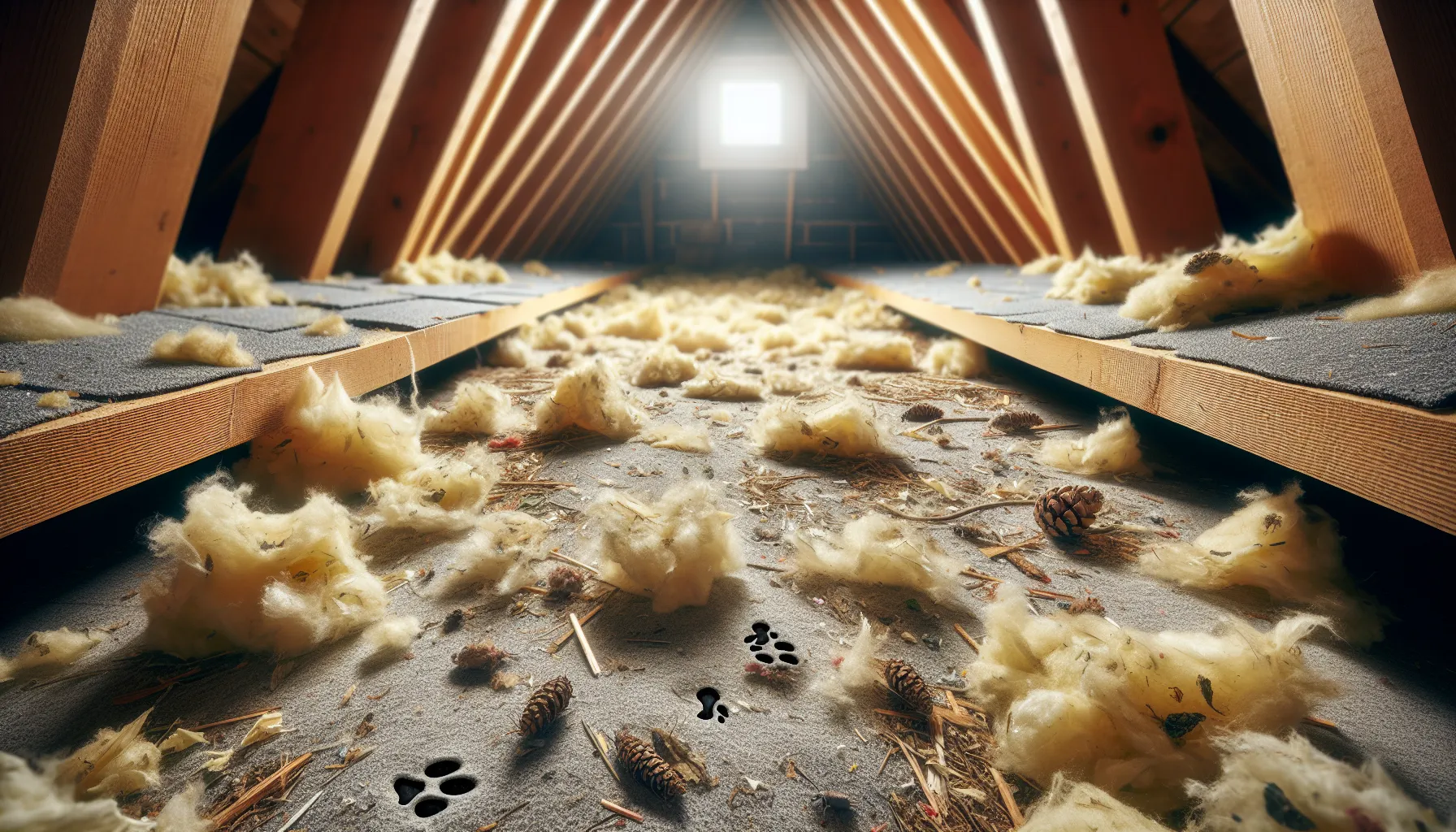
Spotting early clues of animal activity in attic insulation helps maintain a comfortable and efficient space. Have you noticed any changes that make you wonder if animals have moved in overhead?
- Unusual Noises: Hearing scratching, scurrying, or thumping above ceilings usually points to rodents, squirrels, or raccoons searching for food or making nests.
- Tracks and Droppings: Finding small footprints or dark pellets scattered on joists and insulation often signals the regular passage of mice, rats, or bats.
- Damaged Insulation: Observing insulation that looks shredded, compressed, or matted may show animals have burrowed or nested within it. This can affect thermal performance and increase energy use.
- Chewed Wires or Wood: Seeing bite marks on exposed wiring or wood structures hints that rodents have tried to sharpen their teeth, which raises fire risks.
- Unpleasant Odors: Detecting persistent musky smells or faint ammonia odors can result from urine and droppings left behind in hidden corners.
- Disturbed Airflow or Cold Spots: Feeling drafts or noticing areas that are unusually cold even when insulation looks fine might indicate displacement from animals burrowing below the surface.
Have you come across these indicators in your attic? Noticing several signs together usually means animals are active and immediate steps matter to protect both insulation and air quality.
Choosing the Right Insulation to Deter Animals
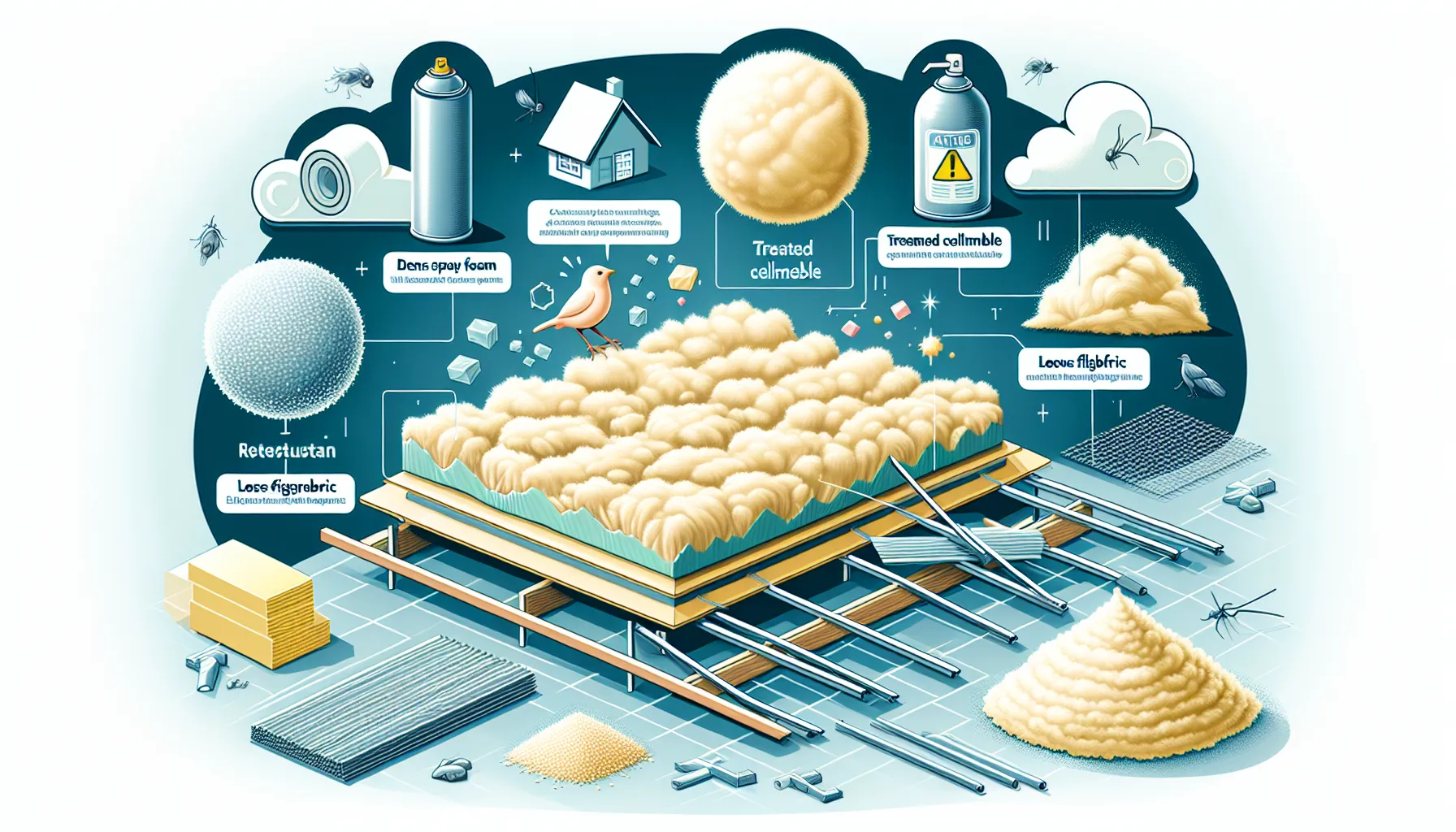
Selecting insulation that helps fend off animals supports a cleaner, quieter, and more energy-efficient attic. Some insulation materials resist animal tampering better than others. Have you noticed how certain products seem to last longer or show fewer signs of chewing or burrowing?
- Spray foam insulation creates an airtight barrier that seals small gaps, making it difficult for rodents and squirrels to gain entry. Animals rarely chew through dense spray foam, which keeps insulation performance stable over time.
- Cellulose insulation contains borate additives that repel pests like insects and rodents. Homes using treated cellulose often experience fewer infestations compared to ones with untreated padding.
- Fiberglass insulation slows animal intrusion thanks to its loose structure, though persistent rodents might still push or pull fibers aside. Adding mesh or barriers above fiberglass further deters entry.
Choosing sturdy insulation is helpful, but combining it with protective layers works best. Metal flashing, wire mesh, and vapor barriers limit access and discourage wildlife from settling in warm attic spaces.
Have you found evidence of animal entry in your attic before? If so, pairing animal-resistant insulation with routine inspections and quick repairs maximizes comfort and savings all year. Most homeowners gain peace of mind by selecting materials and strategies that actively help defend against animal damage.
Effective Strategies to Protect Attic Insulation
Protecting attic insulation from animals creates a safer, cleaner, and more energy-efficient home. Even small steps go a long way in preventing costly repairs and energy loss. Have you noticed signs of animals in your attic recently or wondered how to keep critters out for good?
Sealing Entry Points
Closing up entry points stops animals from reaching attic insulation. Roof edges, vents, and gaps around pipes often provide rodents and squirrels with easy access. We inspect the entire roofline, eaves, and attic vents for holes as small as 0.25 inches, since mice and rats squeeze through tiny spaces. We fill any cracks or openings with steel wool, caulk, or expanding foam. Sealing gaps around cables and pipes adds another layer of protection. Persistent animal problems usually arise when entry points remain unsealed. What gaps do you see near your attic?
Installing Barriers and Screens
Adding barriers adds a physical shield between animals and insulation. Hardware cloth or heavy-gauge wire mesh works well over soffit vents, attic fans, and other exposed areas. Metal flashing reinforces weak spots around rooflines. We staple or screw these materials into place so animals can’t pull them loose. Consider how a simple mesh screen keeps birds or bats from nesting inside vents. Which open spaces could use extra protection in your attic?
Using Repellents and Deterrents
Repellents provide an extra layer of defense for attic insulation. Scented deterrents like peppermint oil or predator urine granules make areas less attractive to rodents. Electronic ultrasonic devices emit high-frequency sounds that discourage nesting. We apply pest-repelling sprays to exposed insulation or entry points according to label instructions. Keep in mind, repellents work best when combined with sealing and barriers. What deterrents have you tried before, and did they help keep pests away?
Maintaining Your Attic to Prevent Animal Intrusion
Caring for your attic protects insulation and makes your home more comfortable. Many homeowners worry about animal damage and search for practical steps that actually keep pests out. How can you feel more confident about keeping animals from sneaking in and harming your insulation?
Regular Inspections
Checking your attic on a consistent schedule helps you spot early signs of animal activity. Look for droppings, shredded insulation, gnawed wood, or chewed wires. Small tracks or disturbed patches in the insulation signal a possible problem. Try inspecting at least twice a year, such as early spring and late fall, since animals often seek new shelter as seasons change. Paying attention to unusual sounds—like scratching or scurrying—can also reveal intruders before they cause lasting harm.
Are there any seasonal patterns you’ve noticed that might help with planning inspections? Engaging family members or using a checklist during these visits makes the process even more effective.
Cleaning and Repair Tips
Keeping your attic clean and well-maintained removes temptations for animals. Clear away any old nesting materials, food scraps, and excess debris. This reduces the chances that pests will return. After removing visible waste, consider using mild disinfectants to tackle any lingering odors that might attract new animals.
Promptly repair gaps, cracks, or damaged insulation. Sealing these openings with wire mesh or metal flashing adds another layer of defense. Replacing torn or compressed insulation immediately blocks pests from settling in or using damaged areas for nests. How often do you check and fix small issues before they become bigger problems?
Simple, regular cleaning and quick repairs give us peace of mind while helping protect energy efficiency and indoor comfort.
When to Call a Professional for Help
Some attic situations call for expert support. Severe damage, persistent animal infestations, or suspected health hazards often go beyond what most of us feel equipped to handle alone. Have you noticed repeated signs of animals despite your best prevention efforts? If so, outside help might be the smartest path forward.
Consider reaching out when:
- Wild animals appear dangerous, such as raccoons or bats, since handling them without training risks injury and disease
- Large sections of insulation are contaminated by animal waste, making clean-up a serious health concern
- Electrical wiring appears damaged by chewing, creating possible fire hazards
- Entry points are difficult to locate or fix, especially on higher or hard-to-reach parts of the home
- Unpleasant odors linger, signaling pests may be inside hidden areas
Trained professionals possess the right tools to remove animals safely, repair insulation effectively, and seal hidden passages. How comfortable do you feel trying to solve these problems? Sometimes, peace of mind comes from letting experts restore safety, efficiency, and comfort. Engaging a professional can also stop future problems by addressing hidden issues you might not spot after a quick inspection.
Conclusion
Protecting our attic insulation from animals isn’t just about avoiding costly repairs—it’s about maintaining a safe and comfortable home. By staying vigilant and proactive, we can keep unwanted guests out and ensure our insulation continues to do its job. Let’s make attic maintenance a regular part of our routine so we can enjoy peace of mind and better energy efficiency all year long.
Frequently Asked Questions
How do animals like rodents and squirrels damage attic insulation?
Rodents and squirrels chew or compress attic insulation while nesting. This reduces its effectiveness, increases energy costs, and can even damage electrical wiring, potentially creating fire hazards.
What are the signs of animal infestation in an attic?
Common signs include unusual noises, tracks or droppings, chewed insulation or wires, unpleasant odors, and noticeable cold spots or disturbed airflow. Spotting several of these signs often indicates active infestation.
Which types of attic insulation are most resistant to animal damage?
Spray foam insulation provides an airtight barrier that’s hard for rodents and squirrels to penetrate. Cellulose insulation with borate additives repels pests, while fiberglass insulation is more effective when paired with metal flashing or wire mesh.
How can I prevent animals from getting into my attic?
Seal entry points like roof edges, gaps around pipes, and vents. Install barriers such as hardware cloth or metal flashing. Use natural repellents like peppermint oil or ultrasonic devices to deter pests.
How often should I inspect my attic for signs of animal activity?
Inspect your attic at least twice a year for droppings, gnawed materials, damaged insulation, or new openings. Regular checks help catch problems early and prevent major damage.
What maintenance steps help keep attic insulation protected from animals?
Clean the attic regularly, remove old nesting materials, and quickly repair any gaps or damaged insulation. Keeping the attic clean and in good repair discourages animal intruders.
When should I call a professional for attic animal problems?
Call a professional if you notice severe damage, persistent pest activity, dangerous wildlife, significant contamination, damaged wiring, or if entry points are hard to access. Experts can safely remove animals, repair insulation, and seal hidden access points.


