
Allergies can make daily life uncomfortable, especially when symptoms flare up at home. Many people don’t realize that hidden spaces beneath their homes, like crawl spaces, can harbor moisture, mold, and allergens that trigger sneezing, coughing, and congestion. Have you ever wondered if the air in your home could be cleaner and healthier?
We understand how frustrating it is to manage allergies while searching for solutions that really work. Sealing your crawl space can make a big difference by reducing the entry of dust, pollen, and mold spores into your living areas. Curious about how encapsulation can help create a more comfortable environment for you and your family? Let’s explore how this simple step can lead to lasting allergy relief and a fresher home.
Breathe Easier with Crawl Space Encapsulation
If you’re tired of sneezing, coughing, and dealing with poor indoor air, it’s time to address the root cause. All Seasons Insulation offers expert crawl space encapsulation services that target hidden allergens like mold, dust, and moisture. Take control of your home’s air quality and create a healthier, more comfortable environment for your family. Contact us, Call Now, or Email Us to learn how encapsulation can bring lasting allergy relief.
Understanding Allergies and Indoor Air Quality
Allergens in indoor air cause symptoms like sneezing, itchy eyes, and congestion for millions who react to dust, mold, and pollen. Common sources include outdoor particles entering through gaps and hidden mold growth fed by moisture in crawl spaces. Have you wondered why allergy symptoms linger even when you clean and manage dust inside your home?
We often find that air quality depends on more than what you see. Moisture in crawl spaces creates an environment where mold spores thrive, which then move upward into living spaces. Air movement through tiny cracks lets these particles circulate, affecting anyone with sensitivities. Many ask how to limit these triggers and breathe easier inside their homes.
Studies from organizations such as the EPA show about 50% of a home’s air comes from lower-level areas, including crawl spaces. This airflow picks up allergens and carries them through vents and floors, making it harder to manage allergy symptoms even with routine cleaning. Gaps in air quality can feel frustrating when symptoms persist despite efforts to keep surfaces dust-free.
We recognize that families search for real solutions to improve breathing comfort inside their homes. Investing in methods that target the sources of allergens—especially those hidden in crawl spaces—means taking direct action on the root of allergy discomfort. What changes have you noticed in your indoor air during damp seasons or after attempted cleaning routines?
How Crawl Spaces Affect Allergy Symptoms
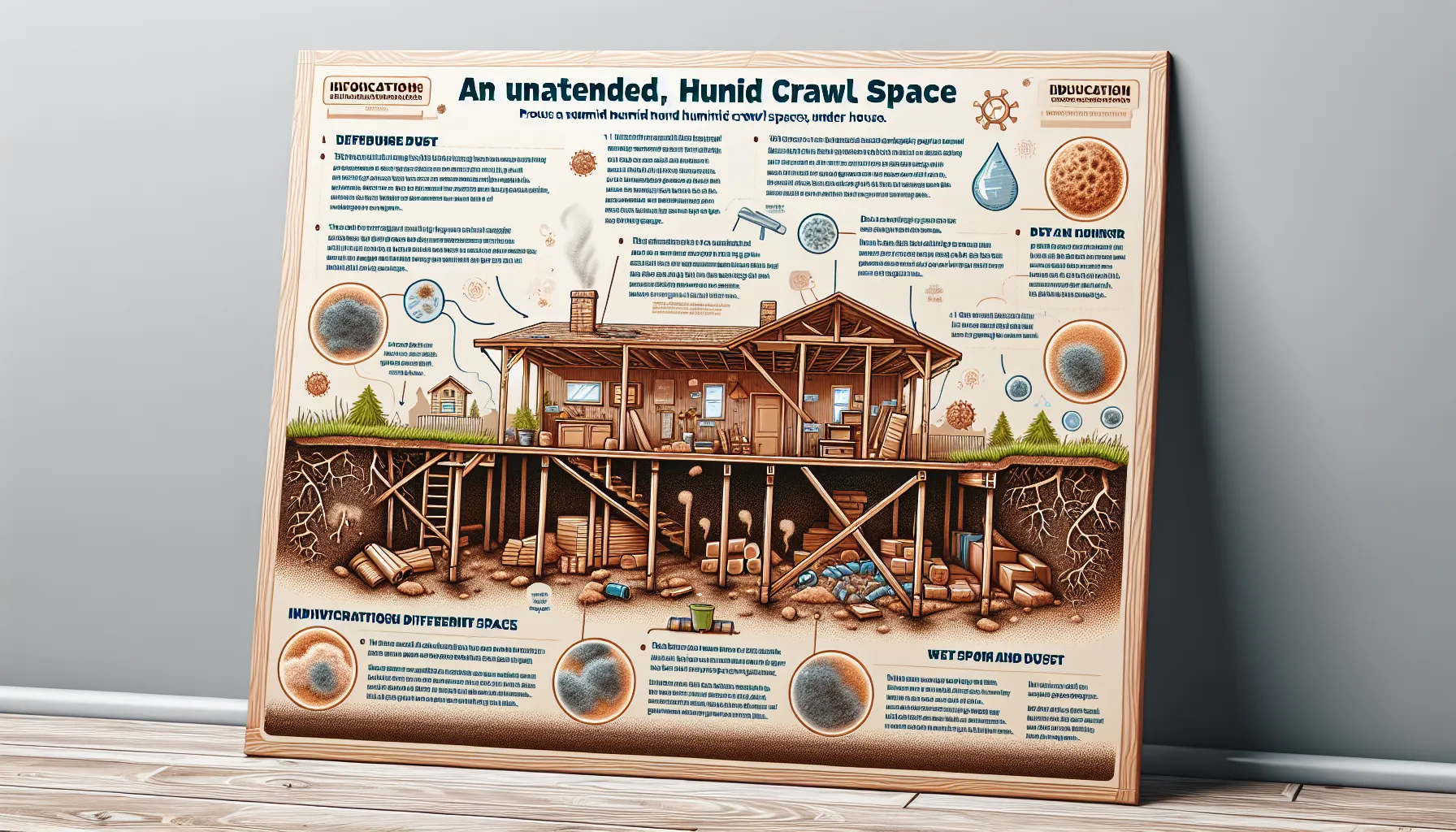
Crawl spaces play a bigger role in allergy relief than many realize. These spaces under homes can collect dust, mold, and moisture—three leading triggers for allergy symptoms. Have you noticed sneezing fits or congestion that seem to have no clear source? The air you breathe at home often starts in these lower areas.
Common Allergens in Crawl Spaces
Crawl spaces often trap several allergens. Dust mites thrive in the humid conditions below a house. Mold spores spread quickly in damp, enclosed spaces. Pollen and outdoor pollutants drift inside through tiny cracks or gaps. Rodent droppings and insect debris sometimes add to these triggers. Each of these can make allergy symptoms like itchy eyes or breathing issues worse.
The Link Between Moisture and Mold
Moisture problems in crawl spaces fuel mold growth. Mold releases tiny spores that can easily float up into living spaces. Even levels of humidity above 60% help mold thrive. Leaky pipes, poor drainage, or uncovered soil commonly contribute to excess moisture. Have you ever checked your crawl space for damp spots or musty odors? These signs point to mold or moisture build-up. Reducing moisture blocks mold from spreading, which in turn can ease many allergy symptoms at home.
What Is Crawl Space Encapsulation?
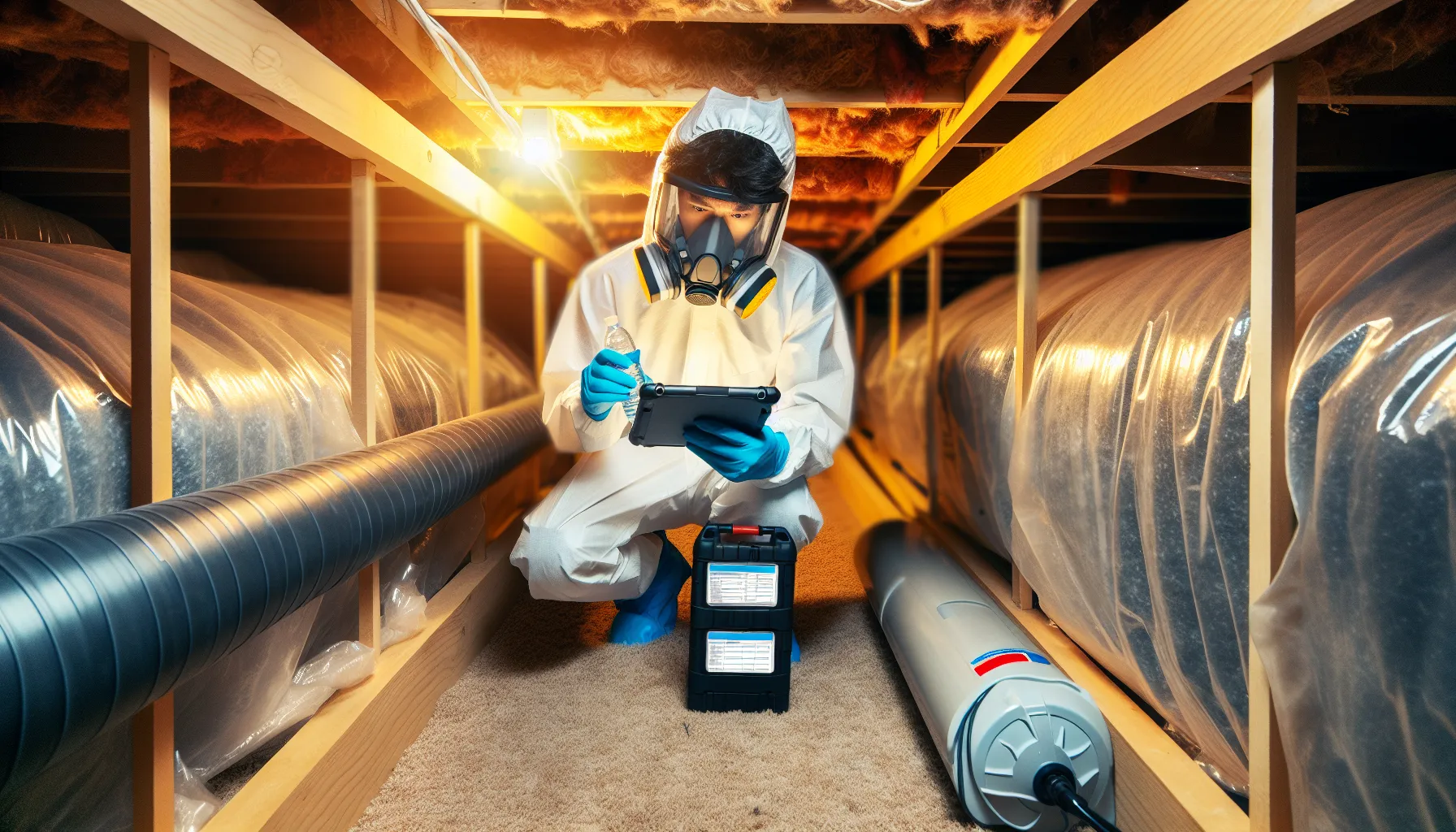
Crawl space encapsulation means sealing the crawl space in your home with heavy-duty materials to block moisture, dust, and allergens from entering your living space. We use barriers, specialized sealants, and moisture control systems to create a protected area below your floors. Have you ever wondered why air from your crawl space seems to affect how you breathe indoors? Addressing that air flow can make a real difference for families sensitive to allergens.
Key Components of Encapsulation
Encapsulation uses a few main parts working together to prevent allergy triggers:
- Vapor Barriers
Heavy plastic sheets line the floors and sometimes the walls. These barriers stop moisture from the earth from rising into your home.
- Sealing Vents and Gaps
We close off vents and gaps using foam or caulking to reduce outside air, pollen, and dust entering the crawl space.
- Dehumidifiers
High-capacity units maintain dry air below, discouraging mold and dust mites that thrive in damp places.
- Insulation
We add insulation materials to walls or ceilings for better temperature control and further allergen reduction.
Each step blocks water, dirt, and airborne triggers from traveling upwards. Have certain seasons made your allergies worse? Quality encapsulation can limit year-round exposure to hidden triggers.
Professional vs. DIY Encapsulation
Choosing between professional or DIY encapsulation depends on your comfort and experience level. Professional teams carry the right equipment and follow current standards for health and safety. They inspect for unseen mold, assure every seam is sealed, and optimize moisture control.
DIY kits tempt many with upfront savings. However, missing small leaks or failing to install vapor barriers properly often means allergens slip through. Do you have the right tools and knowledge to identify hidden trouble spots? Sometimes, mistakes go unnoticed for months and may worsen allergy symptoms rather than help.
By weighing these factors, you decide which path better suits your family’s needs—whether that’s hiring an expert or handling minor improvements on your own.
Benefits of Crawl Space Encapsulation for Allergy Relief
Encapsulating crawl spaces supports healthier living for those affected by allergies. Many families share similar frustrations about dust, mold, and other hidden triggers that impact daily comfort. Have you noticed your symptoms worsen after spending time indoors? Addressing crawl space conditions directly links to relief from common allergens.
Reducing Mold and Mildew
Sealing crawl spaces creates a barrier against moisture buildup. Without excess moisture, mold and mildew don’t have the environment they need to grow and spread. Mold spores cause reactions like sneezing, coughing, and itchy eyes for many people. Blocking them at the source means fewer spores can travel into main living areas and trigger symptoms.
Minimizing Dust Mites and Pollen
Controlling humidity in crawl spaces reduces dust mite populations. Dust mites thrive in damp places, and their waste drives many allergy complaints. Pollen particles can also drift in through crawl space gaps. Encapsulation means sealing these entry points, which helps families experience fewer flare-ups from spring pollen or indoor dust.
Improving Overall Indoor Air Quality
Encapsulated crawl spaces lead to cleaner, fresher indoor air. Since about half of the air in living spaces can originate from lower levels, preventing contaminants below floors brings peace of mind. Cleaner crawl spaces support easier breathing and fewer interruptions from allergies. What difference could better air make in your family’s daily comfort? Many people see noticeable improvements soon after taking this step.
Steps to Encapsulating Your Crawl Space
Encapsulating your crawl space uses a clear system to target allergy triggers at their source. These steps ease the process and give peace of mind if you’re worried about allergies at home. Ever notice a musty smell or increased sneezing? Taking these actions could help you feel more comfortable in your own space.
Inspection and Preparation
Starting with a close inspection helps us spot moisture, mold, old insulation, or pest issues in the crawl space. We clear debris and check for leaks or drainage problems. Fixing these issues first makes a cleaner, safer foundation for the next steps. Have you ever wondered what might be hiding beneath your home? An initial inspection can reveal a lot and sets the stage for lasting allergy relief.
Installing Vapor Barriers and Sealing
Lining the floor and walls with thick vapor barriers keeps moisture and soil gases from entering living areas. Sealing any vents, cracks, or openings stops pollen, dust, and outdoor air from slipping inside. This combination protects against water and blocks most common allergens found beneath homes. Are there any open gaps in your crawl space now? Sealing them can make a noticeable difference in how your home feels and smells.
Adding Dehumidification Solutions
Lowering humidity in the crawl space limits mold growth and helps keep allergens in check. Installing a dehumidifier keeps moisture levels balanced, which can stop dust mites and mold from thriving. Monitoring the humidity using a simple gauge also helps maintain these improvements. Could controlling the air below your home be the change your allergies need? This step helps keep the crawl area—and your living space—much drier and fresher.
Maintenance Tips for Long-Term Allergy Relief
Regular maintenance of your crawl space encapsulation helps limit allergen build-up. Checking the vapor barrier every few months lets us spot punctures or shifting seams that could allow in moisture or dust. Have you noticed increased humidity or musty smells lately? These often signal a small tear or gap that needs sealing.
Cleaning and inspecting the dehumidifier every 3 to 6 months supports consistent humidity control. Dust or clogs in the vents can block air circulation, so wiping them with a dry cloth keeps them clear. Filters inside crawl space dehumidifiers should be replaced as recommended by the manufacturer to catch tiny allergen particles.
Inspecting for leaks after heavy rain or snow detects water intrusion early. If we see damp insulation or puddles, promptly drying the area and fixing drainage problems can prevent future mold growth. Have you checked your gutters and downspouts to direct water away from the foundation lately?
Scheduling annual professional inspections provides peace of mind that encapsulation materials are performing as intended. A qualified technician checks for new problem areas, potential pest entry, and overall air quality. Simple repairs or additional sealing could mean fewer allergy triggers over time.
Monitoring indoor humidity using a basic digital hygrometer helps us keep levels between 30% to 50%. There’s comfort in knowing we can take action quickly if humidity creeps up. Have you tried tracking humidity to see if your symptoms change with the seasons?
Routine cleaning inside living spaces supports overall relief. Dusting, vacuuming with HEPA filters, and washing bedding frequently help control allergens that can escape even the best-sealed crawl spaces.
What steps could make your maintenance routine easier or more effective? Adopting these habits keeps allergy relief consistent long after encapsulation is complete.
Conclusion
When we address the hidden sources of allergens in our homes we take a big step toward lasting allergy relief. Crawl space encapsulation gives us the power to control moisture and block out triggers that often go unnoticed. By investing in this solution we’re not just improving air quality—we’re creating a safer and more comfortable space for everyone in our household. Let’s keep prioritizing our health and comfort by staying proactive about the air we breathe every day.
Frequently Asked Questions
How do crawl spaces affect indoor allergies?
Crawl spaces can collect moisture, dust, mold, and pollen, which are common allergy triggers. Air from crawl spaces often moves into living areas, carrying these allergens and worsening symptoms like sneezing and congestion.
What are the most common allergens found in crawl spaces?
Common crawl space allergens include dust mites, mold spores, pollen, and sometimes rodent droppings. These can lead to itchy eyes, breathing issues, and other allergy-related symptoms in the home.
How does crawl space encapsulation help reduce allergy symptoms?
Encapsulation seals the crawl space, blocking moisture, dust, mold spores, and pollen from entering the home. This prevents common triggers from circulating in the air, leading to cleaner indoor air and fewer allergy symptoms.
What is involved in encapsulating a crawl space?
Crawl space encapsulation typically involves installing a vapor barrier, sealing vents and cracks, adding insulation, and using dehumidifiers. These steps help prevent the entry and spread of moisture and allergens into living spaces.
Is crawl space encapsulation a DIY project or should I hire a professional?
While some homeowners attempt DIY encapsulation, hiring a professional is usually recommended. Professionals can properly inspect, prepare, and seal crawl spaces, ensuring long-lasting results and minimizing the risk of missing hidden problem areas.
How soon will I notice relief from allergies after encapsulation?
Many families notice improved air quality and reduced allergy symptoms soon after encapsulation is completed, often within a few days to weeks, depending on the severity of previous allergen exposure.
Are there maintenance steps needed after encapsulation?
Yes. Regularly inspect the vapor barrier, clean dehumidifiers, check for moisture after rain or snow, and schedule annual professional inspections. Also, maintain low indoor humidity and keep living spaces clean for optimal allergy relief.
Can encapsulation help with musty odors in my home?
Absolutely. By reducing moisture and mold in crawl spaces, encapsulation eliminates many sources of musty odors, resulting in a fresher-smelling and healthier living environment.
How much of my home’s air comes from the crawl space?
About 50% of the air in living spaces can originate from lower-level areas like crawl spaces. If these areas harbor mold, dust, or moisture, those contaminants can easily spread throughout your home.


