
Many of us don’t think about attic insulation until we start noticing drafts or rising energy bills. But have you ever wondered what happens when attic insulation isn’t up to par over the years? Poor insulation can quietly impact your comfort, your wallet, and even your health.
We all want a home that feels cozy and efficient year-round. Inadequate attic insulation, however, can lead to higher energy costs, uncomfortable rooms, and issues with moisture or noise. How might these long-term effects impact your daily life? Let’s explore why addressing attic insulation is more important than it may seem.
Don’t Let Poor Attic Insulation Drain Your Comfort and Budget
If you’re dealing with uneven temperatures, rising utility bills, or signs of moisture in your attic, it’s time to take action. All Seasons Insulation offers expert attic insulation assessments and upgrades that help you regain control of your home’s comfort and energy efficiency. Whether you’re battling mold, drafts, or escalating costs, we’re here to help protect your home from the top down. Contact us, Call Now, or Email Us to schedule your inspection today.
Understanding Poor Attic Insulation
Poor attic insulation often leads to uncomfortable drafts, high energy bills, and rooms that feel too hot in summer or too cold in winter. Have you ever noticed uneven temperatures or persistent chills in your home, even with the thermostat set just right? Many of us share these concerns when insulation levels fall short.
Improper or insufficient insulation allows heat to escape in winter and enter in summer. We see this result in increased heating and cooling usage, raising energy costs by up to 20% for many homes according to the U.S. Department of Energy. Are you curious why some rooms never seem to match the rest of the house, no matter how much you adjust the HVAC? Poor attic insulation often sits at the root of this persistent issue.
Another consequence affects moisture control. Weak insulation often leads to condensation buildup in the attic. Over years, excess moisture can encourage mold growth or damage wooden structures. Many homeowners are surprised to find staining, damp patches, or a musty odor—clear signals that insulation isn’t containing moisture as intended.
Sound transfer can worsen too. Without adequate attic insulation, outside noises become more noticeable. Everyday life above the ceiling—rain, traffic, or even wildlife—finds an easier path inside. If you’ve ever wondered why some houses sound quieter and more peaceful, attic insulation plays a key role.
We understand how frustrating it feels to struggle with temperature swings, rising bills, or noise disruptions. What questions do you have about attic insulation in your home?
Common Signs of Inadequate Insulation
Homeowners often spot warning signs when attic insulation isn’t performing well. We regularly encounter uneven room temperatures; one space might feel much colder or warmer than another, making comfort inconsistent. Drafts, especially felt near ceilings or upper floors, often indicate weak thermal barriers above.
Rising energy bills stand out as a key sign. If we’ve noticed heating or cooling costs increasing without changing our usage habits, insulation problems could be the cause. Statistics show that poor attic insulation can lead to up to 20% higher energy bills.
Moisture problems present another clear signal. Water stains on ceilings, mold growth in upper areas, or musty odors usually mean that warm, moist air from inside is reaching the attic and condensing, fostering unhealthy conditions. Have you ever opened your attic and found damp spots or visible mold?
Unwanted outside noise getting into our living space is a subtle but telling sign. Insulation gaps let sounds from traffic, rain, or nearby activities invade our home. If you often hear more than usual from outside, have you checked your attic recently?
Pest activity in the attic also points to insulation trouble. Gaps invite insects or rodents, leading to droppings, chewed material, or unexplained sounds in the ceiling. Have you come across evidence that something might be living over your head?
Cracked or peeling paint on upper walls and ceilings often relates to heat and moisture passing through insufficient insulation. Have you noticed trouble spots where paint doesn’t hold up despite regular maintenance?
Recognizing these signals helps us address insulation before bigger problems arise. Which of these issues sound familiar in your home?
Long Term Effects of Poor Attic Insulation
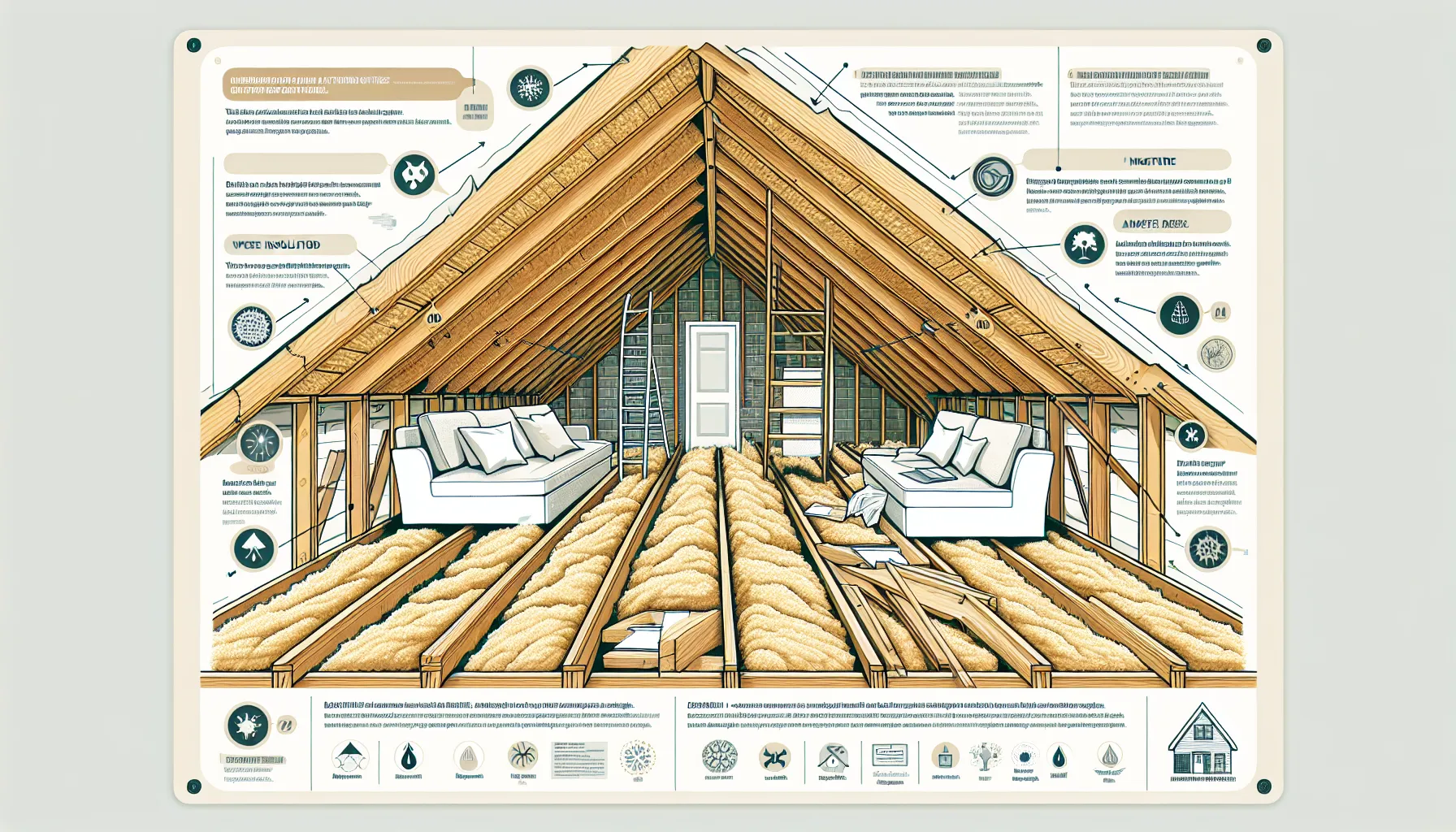
Poor attic insulation often leads to ongoing issues that impact energy cost, comfort, and the durability of the property itself. Over time, insufficient insulation doesn’t just affect one area; it quietly disrupts many aspects of daily living.
Increased Energy Bills
Poor attic insulation consistently drives up monthly utility costs. Heat escapes through gaps in colder months and slips in during summer, forcing HVAC systems to work harder year-round. Studies show that households can see up to a 20% spike in energy bills, just from inadequate attic insulation alone. Have you noticed higher bills without a clear cause? This is often the first sign that insulation isn’t performing as it should.
Structural Damage to Your Home
Insufficient insulation leaves roof decking, rafters, and framing exposed to unhealthy temperature swings and excess moisture. Over several seasons, wood warps or rots, and metal fasteners corrode. These structural impacts go unnoticed until costly repairs are required. Are you seeing water stains or warped wood near your attic? Those symptoms suggest problems that insulation neglect might have started.
Mold and Moisture Issues
Missing or compressed insulation creates cold spots where warm, moist indoor air meets chilly attic surfaces. These conditions accelerate condensation, leading to mold growth in dark corners and along framing. We know mold threatens surfaces and can grow in insulation, drywall, or beams—especially during wet months. What steps are you taking to control attic humidity? Tackling moisture early preserves both air quality and the home’s bones.
Reduced Indoor Comfort
Insulation that fails leaves upper rooms too hot in summer and chilly in winter, while lower levels stay temperate. This unevenness forces families to rely more on fans, heaters, or air conditioners just to feel comfortable. Does anyone in your household avoid certain spaces because “it’s always too cold” or “too stuffy”? These comfort issues often come from problems above the ceiling.
Poor Indoor Air Quality
Air leaks nestled above can pull dust, pollen, and attic pollutants directly into living areas. Poor insulation makes HVAC vents circulate these particles, hurting those with allergies or respiratory conditions. Consistent exposure sometimes leads to headaches and fatigue. Have you noticed more allergy symptoms at home? Fresh insulation can be an important step toward cleaner indoor air.
| Long Term Effect | Example Indicators | Numeric Impact |
|---|---|---|
| Increased Energy Bills | Monthly spikes in heating/cooling costs | Up to 20% higher bills |
| Structural Damage | Warped wood, water stains, corroded nails | Expensive repairs |
| Mold and Moisture | Visible mold, musty odors, wet insulation | Health/surface risks |
| Reduced Indoor Comfort | Hot/cold rooms, drafty spaces | Uneven temperatures |
| Poor Indoor Air Quality | More dust/allergies, stale air | Health-related issues |
Do any of these issues sound familiar in your home? Knowing the signs and their impact lets us take control before issues worsen.
Preventing the Long Term Effects
Fixing attic insulation issues early gives us better control over comfort, energy use, and home health. Checking for uneven temperatures or higher utility bills alerts us to potential gaps or damage. Does your attic feel drafty or do you notice rooms getting uncomfortable when the weather changes? These clues help us spot insulation problems before they cause lasting harm.
Inspecting our attic every season helps catch minor concerns like thinning or damp insulation. We use protective gear and bright lighting to safely look for signs such as water stains, compressed areas, or places where insulation pulls away from the rafters. Promptly addressing these signals stops mold and moisture damage from spreading.
Upgrading insulation with proven materials like spray foam, fiberglass, or blown-in options raises our home’s efficiency. We select the right type based on attic size and climate. For example, spray foam seals air leaks, while fiberglass offers good thermal performance for most regions.
Sealing air leaks around vents, ductwork, and attic hatches prevents outdoor air from seeping inside. This boosts insulation effectiveness and helps lower our energy costs year-round.
Proper attic ventilation pairs with effective insulation to control humidity and prevent condensation. We check that vents aren’t blocked and airflow reaches every corner. Balanced ventilation keeps mold and heat buildup in check.
If we discover that insulation tasks are beyond our skills, seeking professional help brings peace of mind. Have you ever noticed insulation challenges that seem difficult to fix alone? Experts offer solutions that fit various home types and needs.
Staying attentive to attic insulation gives us a healthier, more comfortable living space. Regular checks, quick action, and using the right products all contribute to lasting results.
Conclusion
Taking attic insulation seriously protects our homes from a range of costly and uncomfortable issues down the road. When we prioritize proper insulation and stay alert to warning signs we’re investing in our comfort energy savings and long-term property value. Let’s make sure our attics get the attention they deserve for a healthier and more efficient home year-round.
Frequently Asked Questions
Why is attic insulation important?
Attic insulation is crucial because it helps regulate temperature, reduces energy bills, and prevents drafts. Proper insulation also protects against moisture, mold growth, and unwanted noise, contributing to a healthier and more comfortable home.
What are common signs of poor attic insulation?
Common signs include uneven room temperatures, high energy bills, moisture problems like water stains or mold, increased outside noise, pest activity, and peeling or cracked paint on upper walls and ceilings.
How does insufficient attic insulation affect energy costs?
Poor attic insulation causes your heating and cooling systems to work harder, potentially raising your energy bills by up to 20%. This occurs because warm or cool air easily escapes, leading to inefficient temperature regulation.
Can inadequate insulation cause health problems?
Yes, inadequate insulation can lead to moisture buildup and mold growth, which may trigger allergies and respiratory issues. It can also allow dust, allergens, and pests to enter your living space, potentially affecting indoor air quality.
What types of insulation are best for attics?
Popular choices for attic insulation include fiberglass batts, blown-in cellulose, and spray foam. The best option depends on your home’s structure, budget, and insulation needs. Consulting a professional can help you choose the most effective material.
How often should attic insulation be inspected?
It’s wise to inspect your attic insulation at least once a year or after significant weather events. Regular inspections help catch issues early, preventing bigger problems and maintaining your home’s comfort and efficiency.
Should I hire a professional to fix attic insulation issues?
If you notice severe insulation problems, moisture, mold, or pests, it’s a good idea to hire a professional. They can properly assess the situation, recommend the best solutions, and safely install or replace insulation as needed.
How can I make my attic insulation more effective?
Seal air leaks, ensure good ventilation, and upgrade to efficient insulation materials like spray foam or fiberglass. Regularly maintain your attic to prevent moisture and conduct inspections to identify and address issues early.
Will upgrading attic insulation increase my home’s value?
Yes, upgrading attic insulation can make your home more energy-efficient and comfortable, which are attractive features for buyers. Improved insulation can also lower energy costs, potentially increasing your home’s resale value.

