
Cold weather brings more than just a chill—it can creep right into our homes through overlooked spaces like crawl spaces. If you’ve ever noticed cold floors or rising energy bills during winter, you’re not alone. Many homeowners face these challenges and wonder how to keep their homes warmer without breaking the bank.
We all want our living spaces to feel cozy and energy-efficient, especially when temperatures drop. Did you know that proper crawl space insulation can help reduce heat loss and lower energy costs? What steps can we take to make sure our homes stay comfortable all season long? Let’s explore how smart insulation choices can make a real difference in cold climates.
Keep Winter Outside Where It Belongs
Cold floors and high heating bills don’t have to be part of winter. All Seasons Insulation helps you stay warm with expert crawl space insulation designed for cold weather climates. From spray foam to eco-friendly options, we’ll help you pick the right solution for comfort and efficiency. Contact us, Call Now, or Email Us to get started today.
Understanding Crawl Space Insulation for Cold Weather Climates
Crawl space insulation for cold weather climates plays a crucial role in keeping indoor environments warm and energy efficient. Without proper insulation in place, crawl spaces often become entry points for cold air and moisture. This leads to cold floors above, higher heating costs, and sometimes even persistent drafts in living areas. Have you ever noticed chilly spots in your home despite running the heater? Crawl space gaps might be responsible.
We use a variety of insulation types, such as spray foam, fiberglass batts, and blown-in insulation, to create effective thermal barriers in crawl spaces. Each method offers benefits for blocking heat loss, increasing comfort, and lowering energy use. For example, closed-cell spray foam insulation forms a continuous seal that reduces air leaks and helps with moisture control. Fiberglass batts provide cost-effective coverage suitable for spaces with standard joists. Blown-in insulation adapts well to irregular spaces where traditional batts don’t fit snugly.
Our approach also emphasizes material safety and indoor air quality. Using eco-friendly products, we deliver options that contribute less to indoor pollutants and allergens than many older insulation materials. Choosing the correct insulation method and material means we can boost heat retention and make daily living more comfortable, even during harsh winters.
Which insulation challenges have you encountered in your own crawl space? Maybe you’re balancing moisture reduction, temperature control, or finding durable solutions for extreme cold. Understanding the different options can help you address all these concerns with confidence.
Key Benefits of Proper Crawl Space Insulation
Proper crawl space insulation in cold climates offers multiple advantages. Do you wonder why floors feel cold or why your heating system runs non-stop in winter? Knowing the benefits can help you decide which upgrades suit your home best.
Improved Energy Efficiency
Crawl space insulation greatly improves energy efficiency in houses built in colder regions. Sealing and insulating this area blocks cold drafts and minimizes heat escape through the floor. Homes with insulated crawl spaces can reduce heating energy consumption by as much as 15% according to studies by the U.S. Department of Energy.
Lower Utility Costs
Have you noticed your heating bills rising every winter? Insulated crawl spaces often lead to lower monthly utility bills. Effective insulation acts as a barrier, reducing the workload of heating systems and helping homeowners experience significant savings.
Increased Home Comfort
Insulation helps maintain steady indoor temperatures throughout winter. Floors above a well-insulated crawl space stay warmer, reducing chilly spots and making living spaces more pleasant for everyone. Do you find certain rooms colder than others? Proper insulation can help balance that out.
Enhanced Moisture Control
Moisture in crawl spaces can lead to mold, musty odors, and structural damage. Insulation with added vapor barriers or moisture-resistant materials keeps these problems in check, even during freezing temperatures. Would you like to avoid future repairs linked to moisture?
Better Indoor Air Quality
Insulated crawl spaces limit the infiltration of external allergens, dust, and pollutants. Improving this barrier means cleaner air circulates indoors, contributing to a healthier home for your family—especially important during winter when windows stay closed.
Sound Reduction
Insulation in the crawl space lessens noise from HVAC systems, plumbing, or outside sources. For homes on busy streets or with noisy heating systems, this translates to quieter interiors and less disturbance.
Environmentally Friendly Outcomes
Opting for eco-friendly insulation curbs resource consumption and reduces carbon footprints over time. Using recycled or low-emission materials supports a more sustainable environment without compromising comfort or safety.
These combined benefits lead to more comfortable, energy-efficient homes and healthier living conditions. What improvements could proper crawl space insulation bring to your winter experience?
Types of Crawl Space Insulation Materials
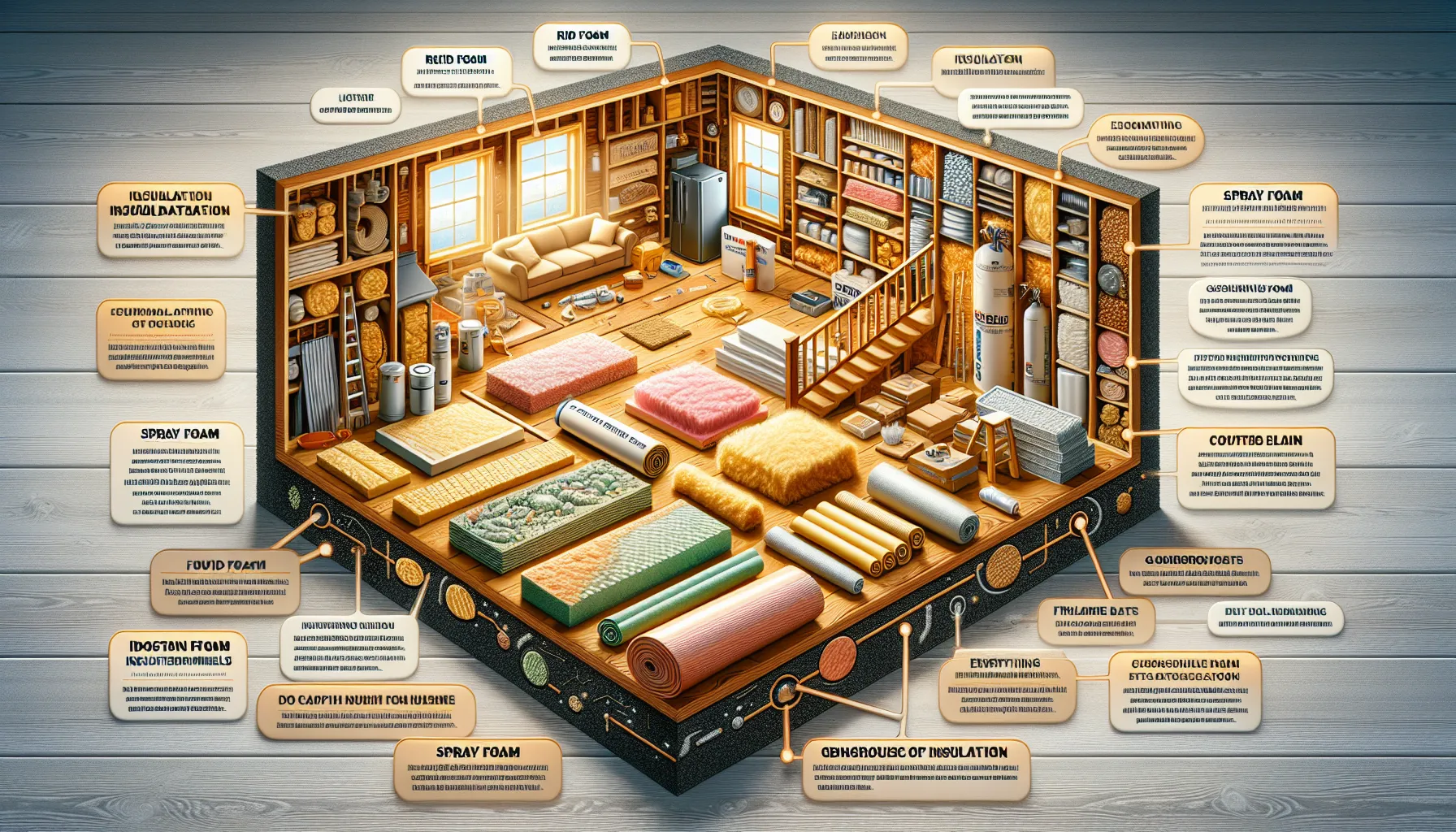
Choosing the right insulation for your crawl space can make a big difference in how warm your home feels during cold months. Insulation materials each have their strengths, so what matters most to you: blocking drafts, lowering heating bills, or keeping moisture at bay? Let’s look at the top options.
Rigid Foam Board Insulation
Rigid foam board insulation offers solid thermal protection for crawl spaces. These boards, made from polystyrene or polyisocyanurate, provide high R-values per inch, helping to keep out cold air. Homeowners often favor foam board for its resistance to moisture. Boards install against foundation walls, creating a continuous barrier that reduces heat loss. Want extra protection from mold? Many foam boards add a vapor barrier to limit ground moisture, which is especially valuable in damp climates.
Spray Foam Insulation
Spray foam insulation fills gaps and hard-to-reach corners, forming a tight air seal for maximum energy savings. We apply spray polyurethane foam directly to surfaces, which expands quickly to close off air leaks. Have you noticed drafts around pipes or vents? Spray foam’s flexibility helps control cold airflow and prevents moisture buildup, limiting the chance for mold or mildew. Closed-cell spray foam also adds structural strength to floor systems and boasts a higher R-value per inch than many alternatives. Considering improved comfort or worried about rising heating costs? Spray foam may offer lasting relief.
Fiberglass Insulation
Fiberglass insulation remains a popular and economical option for crawl spaces. This material usually comes in batts or rolls and fits between floor joists. Trying to balance cost and performance? Fiberglass provides decent insulation value and effectively slows heat transfer from floors to crawl spaces. Some homeowners layer fiberglass with a vapor barrier to protect against ground dampness. Looking for quick installation or updating older insulation? Fiberglass delivers a straightforward solution that also supports good indoor air quality by reducing the movement of dust and allergens.
Which insulation material aligns best with your needs for warmth, energy savings, and peace of mind? Exploring these options can help create a more comfortable, efficient home through every season.
Installation Methods and Best Practices
Keeping crawl spaces warm and dry during cold months calls for proven installation steps. We want our methods to fit your needs and keep your comfort a priority. Have you wondered what makes one approach preferable to another?
Encapsulation vs. Ventilated Crawl Spaces
Encapsulation creates a sealed barrier with heavy-duty plastic sheeting across the floor and walls. This method blocks cold drafts, traps heat, and keeps moisture out. We seal all seams and tape joints before insulating to prevent air leaks. Encapsulated spaces pair well with spray foam or rigid foam board insulation because these materials resist both moisture and heat loss.
Ventilated crawl spaces use foundation vents to circulate air, helping control humidity. For these, we place insulation between joists and secure a vapor barrier on the crawl space floor. Fiberglass batts and foam boards both work for joist spaces. If your climate generates heavy moisture or you notice persistent drafts, encapsulation usually provides greater comfort and savings.
Which method suits your home’s situation? Do you notice dampness or chilly spots above your crawl space?
Moisture Control Considerations
Moisture management starts with vapor barriers—plastic sheets placed over the soil to limit ground moisture from rising. We always check for any standing water or plumbing leaks before starting insulation, because trapped moisture can breed mold and damage structures.
For best results, we seal all gaps and cracks in the crawl space wall and floor. Adding insulation with high water resistance, such as spray foam or rigid foam board, helps maintain dryness and keeps heat inside. Proper drainage, including grading soil away from the foundation and adding sump pumps if needed, further protects against future water entry.
Have you ever struggled with crawl space dampness or musty odors? Addressing these common concerns upfront increases long-term comfort and air quality.
Common Challenges in Cold Weather Climates
Crawl space insulation faces several challenges in areas with harsh winters. Low temperatures and high humidity often work against your efforts to keep your living spaces warm and dry. How do you manage these difficulties to protect both comfort and efficiency at home?
Preventing Frozen Pipes
Frozen pipes remain a top concern in crawl spaces during winter. When cold air seeps through gaps or poorly insulated areas, water lines can freeze and potentially burst. We’ve seen that even a few degrees of temperature drop can put plumbing at risk. Insulation around pipes and along crawl space walls adds a crucial layer of protection, reducing the chances of freezing. Have you checked if all exposed pipes are insulated? Taking this step improves peace of mind throughout the coldest months.
Combating Mold and Moisture
Controlling moisture becomes essential once temperatures drop. Cold weather often brings condensation and dampness in crawl spaces with insufficient insulation or vapor barriers. This dampness can fuel mold growth and encourage wood rot, leading to indoor air quality issues and structural concerns. Sealing gaps, covering the ground with a vapor barrier, and choosing insulation materials that resist water all help keep crawl spaces dry. What steps have you taken to reduce moisture and improve air quality at home? Proactive moisture control keeps your space healthier year-round.
Cost Considerations and Return on Investment
Evaluating the cost of crawl space insulation in cold weather climates starts with understanding several important factors. Material type, crawl space size, labor needs, and moisture control upgrades all affect total project costs. For most homes, installing insulation often ranges from $1.50 to $5 per square foot, depending on the materials used and the level of complexity. Spray foam usually sits on the higher end, while fiberglass and foam boards tend to fall in the middle or lower range. Extra features like encapsulation or vapor barriers add to the initial investment but bring valuable enhancements in moisture protection and comfort.
How do these costs compare to the money saved over time? Energy experts report that proper crawl space insulation can cut annual heating bills by 10-20%. In harsh winter regions, these savings often lead to a full return on investment within three to six years for most homeowners. The more extreme the winter conditions, the quicker energy use and costs drop. Insulation not only reduces monthly utility bills but also lessens wear and tear on heating systems, which helps prevent repairs and extends equipment lifespan.
Let’s examine potential savings and payback periods for different insulation types:
| Insulation Type | Typical Cost (per sq ft) | Average Energy Savings | Expected Payback Period |
|---|---|---|---|
| Spray Foam | $3.00 – $5.00 | 15-20% | 4-6 years |
| Blown-in | $2.00 – $4.00 | 12-18% | 3-5 years |
| Fiberglass | $1.50 – $3.00 | 10-15% | 3-4 years |
| Rigid Foam | $2.50 – $4.50 | 14-19% | 4-6 years |
Insulating crawl spaces often increases real estate value by improving energy efficiency and home comfort. Buyers in colder regions frequently ask about insulation upgrades. Adding high-quality insulation also safeguards against moisture damage, helping keep maintenance costs low in the long run.
Thinking about investing in crawl space insulation? Wonder how different materials or upgrades might fit your budget and goals? Asking these questions makes it easier to choose a solution with real value for your home and peace of mind for your family.
Conclusion
Choosing the right crawl space insulation is one of the smartest investments we can make for our homes in cold climates. By taking the time to select quality materials and follow best practices, we’re not just boosting comfort but also protecting our home’s structure and air quality.
Let’s stay proactive about insulation upgrades so we can enjoy warmer floors, lower energy bills, and peace of mind all winter long.
Frequently Asked Questions
Why is crawl space insulation important in cold climates?
Proper crawl space insulation reduces heat loss, keeps floors warmer, and helps lower energy bills during winter. It also prevents moisture issues, mold growth, and improves overall home comfort.
What are the best types of crawl space insulation?
Popular options include spray foam for air sealing, rigid foam board for moisture resistance, and fiberglass batts for affordability. The best choice depends on your climate, moisture concerns, and budget.
How much can proper crawl space insulation save on energy bills?
Insulating your crawl space can reduce heating energy usage by 10-20%, lowering annual heating bills and often providing full return on investment in three to six years.
Does crawl space insulation help with moisture and mold problems?
Yes, insulation combined with vapor barriers controls moisture, helps prevent mold, and reduces the risk of structural damage and indoor air quality issues.
Should I use encapsulation or ventilation for my crawl space?
Encapsulation, which seals the crawl space with plastic sheeting, is ideal for areas with high moisture or persistent drafts. Ventilation is better in dry climates but may not control moisture as effectively.
Can crawl space insulation improve indoor air quality?
Proper insulation helps block allergens, pollutants, and moisture from entering your home, thus supporting better indoor air quality, especially when eco-friendly materials are used.
How much does it cost to insulate a crawl space?
Costs typically range from $1.50 to $5 per square foot, depending on insulation type, crawl space size, and installation complexity.
What’s the return on investment for crawl space insulation?
Most homeowners see a return on investment within three to six years due to lower energy bills and increased property value.
How do I choose the right insulation material for my crawl space?
Consider your local climate, the level of moisture present, your budget, and whether you want eco-friendly options to make the best choice for your needs.
Will insulating my crawl space prevent frozen pipes?
Yes, proper insulation helps maintain warmer crawl space temperatures, reducing the risk of frozen pipes and related damage during winter.


