
Many of us know how uncomfortable a home can feel when the crawl space isn’t properly insulated. Drafts, uneven temperatures, and high energy bills often point to issues below our feet. Have you ever wondered how much energy escapes through your crawl space or how moisture and noise can creep up from below?
We understand these concerns because we’ve helped countless homeowners solve them. Choosing the right thermal barrier isn’t just about comfort—it’s about creating a healthier, more efficient living space while saving on energy costs. What factors matter most to you when considering insulation for your crawl space? Are you looking for better temperature control, reduced noise, or lower utility bills?
Let’s explore practical recommendations that address your needs and help you make informed decisions. With the right approach, your crawl space can support a more comfortable and energy-efficient home all year long.
Transform Your Crawl Space into a Comfortable, Energy-Saving Zone
Ready to reduce drafts, cut energy bills, and improve your home’s air quality? All Seasons Insulation specializes in expert crawl space insulation that keeps your home comfortable year-round. Our team helps you choose the right thermal barrier for your needs—installed with care and code compliance. Contact us, Call Now, or Email Us to schedule your consultation today.
Understanding Crawl Space Thermal Barriers
Crawl space thermal barriers play a critical role in keeping indoor temperatures steady. By placing a thermal barrier between your living space and the crawl space below, we help reduce drafts and cold spots that commonly affect homes with exposed crawl spaces. Have you ever noticed chilly floors or uneven room temperatures in your home? If so, this could point to heat loss through the crawl space.
We apply thermal barriers using materials like spray foam, fiberglass batts, or rigid foam boards. Each option helps block heat transfer and create a more energy-efficient environment. If you’re searching for improved comfort and lower energy bills, insulating your crawl space can address both issues in one step.
Thermal barriers also support better indoor air quality. They act as a shield against moisture and outdoor pollutants, which often enter through unprotected crawl spaces. By sealing these gaps, we help prevent mold growth and cut down on airborne irritants.
Noise reduction is another benefit our customers have reported after upgrading their crawl space barriers. Do you deal with sounds from below the house or outside? Thermal insulation materials can buffer these distractions for a quieter, calmer home environment.
What challenges have you noticed in your crawl space? Are you looking for ways to make your home feel warmer or breathe easier all year round? Let’s explore which thermal barrier might work best for your needs moving forward.
Why Thermal Barriers Matter in Crawl Spaces
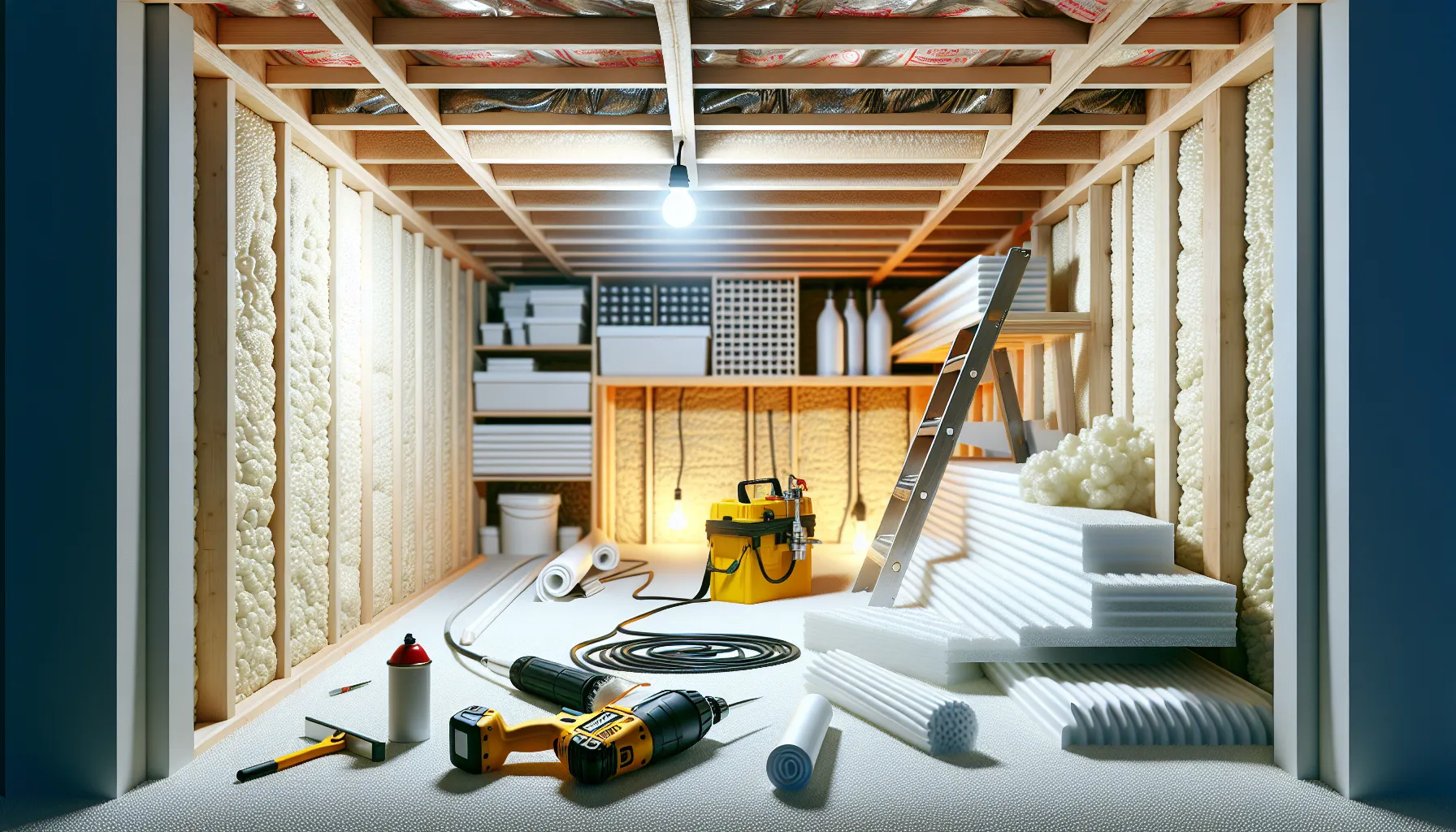
Thermal barriers block unwanted heat loss and gain in crawl spaces, leading to steadier temperatures indoors. They help lower drafts, cold spots, and the strain on heating and cooling systems. Have you ever noticed uneven temperatures or chilly floors? These often stem from uncontrolled air movement beneath your home.
Insulation in crawl spaces limits both heat transfer and moisture intrusion. When excess moisture enters, it raises the risk of mold, mildew, and rotting wood. By installing effective barriers, we protect structural integrity and create healthier air inside. Studies show that homes with proper crawl space insulation can reduce energy use for heating and cooling by up to 20%.
Noise concerns often start at ground level. Whether it’s street sounds or mechanical vibrations, a well-installed thermal barrier helps absorb noise, making your living space quieter. Comfort isn’t only about warmth—it’s about eliminating distractions and disruptions too.
Energy bills reflect the quality of your crawl space insulation. By plugging gaps and closing off exposed areas, thermal barriers drive down monthly costs. What problems do you want to solve—comfort, cost, indoor air quality, or all three?
Choosing the right materials and methods affects the outcome. Options like closed-cell spray foam, rigid board, and fiberglass each block heat and moisture at different rates. Selecting suitable solutions for your property’s needs makes all the difference. What qualities matter most to you when thinking about improving your crawl space?
Key Factors to Consider Before Installation
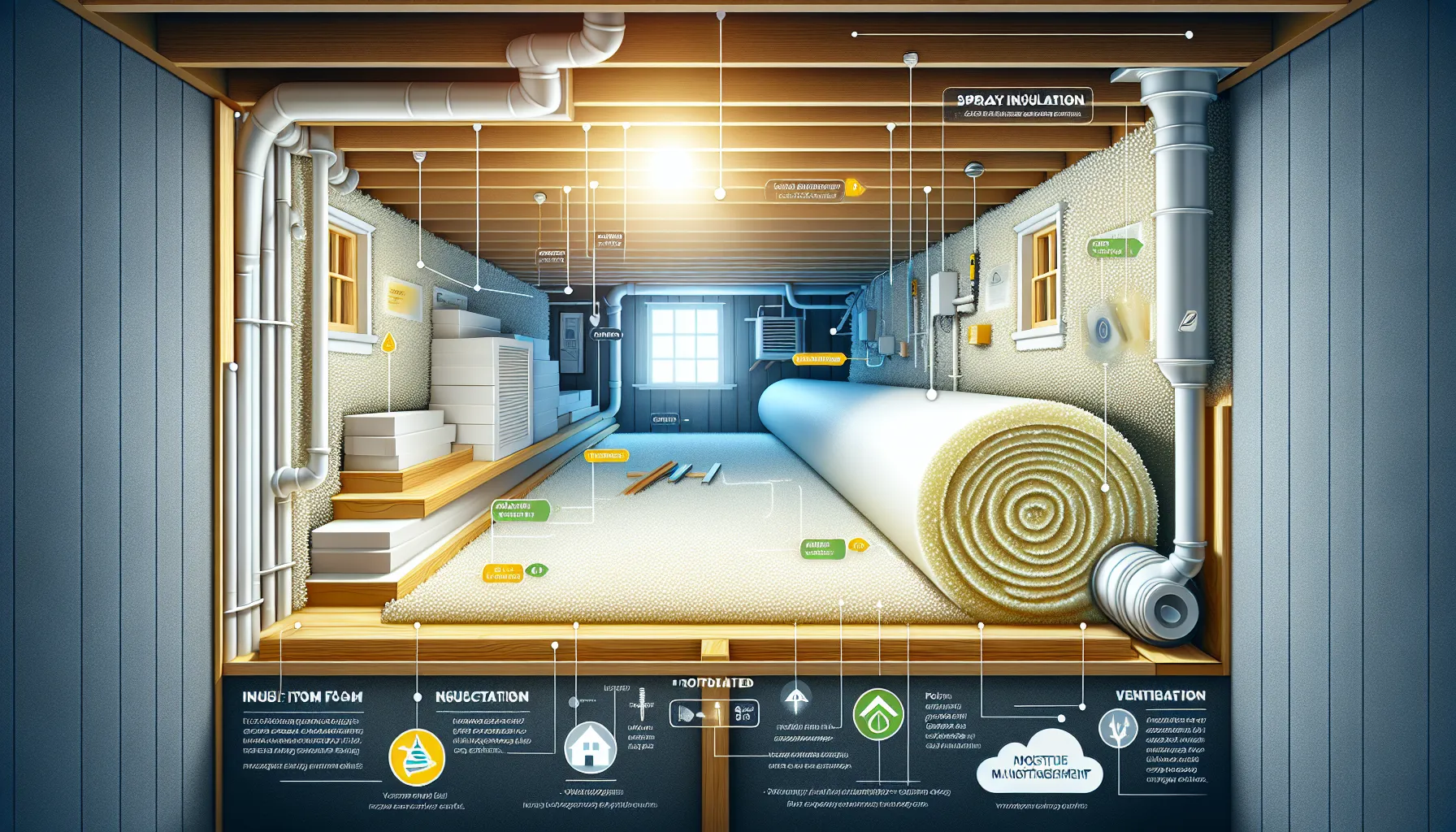
Choosing the right thermal barrier for a crawl space involves several factors. Are you trying to solve draft issues, lower your energy bills, or protect against moisture? Let’s look at points that influence the best insulation decision for your home.
Climate and Regional Needs
Climate strongly affects crawl space insulation choices. In colder regions, a thicker thermal barrier helps keep floors warm and limits heat loss. In warm climates, insulation reduces heat gain and blocks outdoor humidity. Moisture control is critical where humidity is high, as dampness encourages mold and wood rot. What climate factors have you noticed near your home? Evaluating local temperature swings and seasonal moisture levels helps us pick materials that balance comfort, efficiency, and protection.
Types of Crawl Spaces
Crawl space design influences thermal barrier selection. Vented crawl spaces, with wall or floor openings to the outdoors, require materials that resist moisture and block airflow—examples include closed-cell spray foam or rigid foam boards. In unvented (sealed) crawl spaces, vapor barriers and insulation along foundation walls stop ground moisture from affecting the living area. Have you checked if your crawl space is vented or sealed? Matching insulation type with crawl space layout helps target energy savings, indoor air quality, and moisture control most effectively.
Top Crawl Space Thermal Barrier Recommendations
Finding the right thermal barrier for your crawl space makes a noticeable difference in comfort and energy costs. With so many options, what concerns or questions do you have about adding or upgrading insulation? Let’s review the most effective solutions and how they help address common crawl space issues.
Rigid Foam Board Insulation
Rigid foam board insulation offers steady protection against heat loss and moisture. These boards resist water, so they’re a strong fit for damp crawl spaces. Installers often attach them directly to the foundation walls to limit drafts and insulate surfaces that get cold. If excess humidity is a concern, have you considered whether moisture resistance tops your priorities? Rigid foam board usually provides R-values from R-3.6 to R-6.5 per inch, helping cut down on chilly floors and uneven indoor temperatures.
Spray Foam Insulation
Spray foam insulation fills gaps and seals cracks, reducing drafts and blocking moisture intrusion. Closed-cell spray foam delivers higher R-values—averaging R-6 to R-7 per inch—than many alternatives. This type also acts as a barrier to air and water vapor, supporting both energy savings and improved indoor air quality. Would you benefit from a tighter seal to keep outside air from reaching your living areas? Spray foam is especially effective for crawl spaces with irregular shapes or hard-to-reach areas.
Fiberglass Insulation
Fiberglass insulation remains a budget-friendly solution for crawl spaces with accessible joists. This material often comes in batts or rolls and fits between floor joists, delivering energy savings while muffling noise from below. If cost is a main consideration, have you explored whether fiberglass aligns with your budget and comfort goals? Typical R-values for fiberglass batts range from R-2.9 to R-3.8 per inch, contributing to a warmer floor and more stable temperatures.
Radiant Barriers
Radiant barriers use reflective surfaces to deflect heat, making them suitable for regions with hot summers. When installed beneath the subfloor or along crawl space ceilings, they help block radiant heat from entering, reducing cooling loads on your HVAC system. Are high summer temperatures or sun exposure primary concerns for your crawl space? Radiant barriers aren’t traditional insulation but partner well with foam or fiberglass to tackle heat gain and improve comfort.
| Insulation Type | Typical R-Value (per inch) | Key Benefits | Best Use Case |
|---|---|---|---|
| Rigid Foam Board | R-3.6 to R-6.5 | Moisture resistance, durable | Damp or unvented crawl spaces |
| Spray Foam | R-6 to R-7 | Air seal, moisture block | Odd shapes or severe air leaks |
| Fiberglass | R-2.9 to R-3.8 | Affordable, sound dampening | Accessible joist spaces, modest cost |
| Radiant Barriers | N/A (reflective property) | Reflects radiant heat | Hot climates, supplemental use |
What challenges do you notice most in your crawl space—temperature swings, moisture, or energy loss? Each insulation type supports distinct needs, so thoughtful selection helps you confidently resolve persistent comfort and efficiency concerns.
Installation Tips and Best Practices
When installing a crawl space thermal barrier, preparation plays a major role in performance. Let’s review some practices that support comfort and energy savings.
- Inspect and Repair First
Check for excess moisture, standing water, or existing mold before starting. Make sure vents and foundation walls are dry and solid. Sealing leaks and gaps helps insulation work more effectively.
- Seal Air Leaks
Address gaps around pipes, wiring, and rim joists. Use caulking or spray foam to stop air movement and moisture infiltration. A draft-free crawl space helps the barrier perform as intended.
- Install a Vapor Barrier
Lay plastic sheeting on ground surfaces to prevent ground moisture from reaching insulation and subfloors. Overlap seams by at least 12 inches and extend material up the foundation walls for added protection. Ever wonder if this step is optional? In damp areas, it’s considered essential for preventing long-term moisture issues.
- Choose the Right Fasteners and Adhesives
Secure insulation materials according to the manufacturer’s guidelines. Adhesives and mechanical fasteners both help keep rigid foam and batts in place for years. Does your space deal with high humidity? Choosing moisture-resistant fasteners makes a difference.
- Fit Insulation to Size
Cut materials to fit snugly between joists and against walls without compressing them. Gaps or compressed insulation can lower the R-value, so precise installation leads to improved results.
- Focus on Safe Air Quality
Wear appropriate protective equipment when handling insulation. Seal around any installed materials to keep fibers and chemical fumes from moving into living spaces above. Have you thought about indoor air safety during installations before?
- Double-Check for Code Compliance
Local building codes matter. Check that your installation method and materials are approved for residential use in your area. If local codes require fire retardant coverings or specific R-values, follow those rules closely.
- Prioritize Access Points
Leave adequate clearance for access panels or vents, making it easier for future inspections or repairs without disturbing the barrier.
A well-placed thermal barrier can keep homes warmer in winter and cooler in summer. Is your crawl space currently meeting your expectations for comfort, or do you think there’s room for improvement?
Common Mistakes to Avoid
Skipping Moisture Management
Ignoring moisture control during crawl space insulation can lead to mold, rot, and poor air quality. Have you ever noticed musty odors or dampness beneath your floors? Placing insulation over wet surfaces or missing a vapor barrier allows water to build up, damaging both wood and insulation. Always verify all surfaces stay dry before insulating for lasting results.
Overlooking Air Leaks
Leaving gaps or holes around pipes, wires, or vents allows outside air and pests to enter. Even small cracks disrupt temperature control and let pollutants in. Sealing these openings prior to insulation helps maintain indoor comfort and saves energy. How much attention has your crawl space received for hidden leaks?
Using Incorrect Materials
Applying insulation not rated for crawl spaces exposes your home to moisture absorption or pest infestation. Insulation such as standard fiberglass batts works well in dry, protected spaces but fails if exposed to moisture. In crawl spaces with frequent dampness, opt for foam board or closed-cell spray foam to better resist water and support healthier air.
Neglecting Local Codes
Many homeowners forget about building regulations when installing crawl space barriers. Using the wrong material thickness or missing fire barriers can lead to code violations and safety risks. Checking local guidelines ensures your project supports both comfort and compliance. Have you reviewed your area’s specific building requirements before starting a project?
Improper Fastening and Coverage
Poorly secured or loosely fitted insulation often leads to gaps, sagging, or reduced protection. When insulation shifts, heat and moisture seep in, wasting energy and defeating the effort. Press insulation snugly against surfaces and use recommended fasteners for each material. Do you check for gaps or movement after installing new insulation?
Forgetting Regular Inspections
Insulation suffers from wear, pests, and shifting over time. Skipping annual checks makes it harder to catch damage early. Ongoing inspections maintain performance, prevent major repairs, and keep your home comfortable. How often do you check your crawl space insulation for signs of trouble?
Conclusion
Choosing the right thermal barrier for our crawl space is a step toward lasting comfort and lower energy bills. By taking the time to evaluate our unique needs and the specifics of our home, we can create a healthier, quieter, and more efficient living environment.
Let’s approach our crawl space project with care, keeping an eye on installation quality and regular maintenance. With the right solution in place, we’ll enjoy a more comfortable home year-round and peace of mind knowing our investment is protected.
Frequently Asked Questions
What is a crawl space thermal barrier?
A crawl space thermal barrier is an insulation layer installed in a crawl space to reduce heat transfer between your home and the ground, helping maintain comfortable indoor temperatures and lower energy bills.
Why is insulating my crawl space important?
Insulating your crawl space reduces drafts, prevents cold floors, controls moisture, and lowers energy costs. It also improves indoor air quality and helps prevent mold growth.
What are the most common types of crawl space insulation?
Common crawl space insulation types include spray foam, fiberglass batts, rigid foam boards, and radiant barriers. Each offers unique benefits depending on your home’s needs and local climate.
How does crawl space insulation affect energy bills?
Proper crawl space insulation can reduce heating and cooling energy use by up to 20%, resulting in lower monthly utility bills and reduced strain on HVAC systems.
Does insulation help reduce noise from below the home?
Yes, certain thermal barriers absorb sound, reducing noise from below the home and creating a quieter living environment.
What role does moisture control play in crawl space insulation?
Effective crawl space insulation includes moisture management to prevent water intrusion, which can lead to mold, wood rot, and poor air quality.
Should I use different insulation in cold vs. warm climates?
Yes, colder climates may require thicker insulation with higher R-values for better heat retention, while warmer climates benefit from materials that control heat gain and humidity.
How do I choose the right insulation for my crawl space?
Consider factors like local climate, crawl space design (vented or unvented), moisture risks, and your comfort and energy-saving goals when selecting insulation materials.
What is a vapor barrier, and do I need one?
A vapor barrier is a protective layer that blocks ground moisture from entering your crawl space. It’s recommended in most crawl spaces, especially where humidity or moisture is a concern.
What common mistakes should I avoid when insulating my crawl space?
Avoid skipping moisture management, neglecting to seal air leaks, using non-moisture-resistant materials, failing to meet local codes, improper installation, and not performing regular inspections.


