
Thinking about insulating your crawl space yourself? You’re not alone. Many homeowners want to boost comfort and cut energy bills, but safety can feel like a big concern. We understand how important it is to protect your home and your health during any DIY project. DIY crawl space insulation safety guidelines help you work safely, avoid hazards, and achieve long-lasting energy savings.
Are you wondering how to get started safely or what precautions really matter? Crawl spaces can present unexpected challenges—tight spaces, moisture, and even air quality concerns. Taking the right steps helps you avoid common mistakes and keeps your project on track.
Let’s explore the essential safety guidelines for DIY crawl space insulation. With the right knowledge, you can confidently make your home more energy efficient and comfortable. What questions or concerns do you have before getting started?
Need Help with Crawl Space Insulation? Let the Experts Step In
DIY insulation projects can be rewarding—but they’re not always simple. When tight spaces, moisture issues, or air quality concerns make you hesitate, All Seasons Insulation is here to help. Our team safely removes old insulation and professionally installs high-quality solutions that improve energy efficiency, reduce allergens, and protect your crawl space long-term. If you’re unsure about materials, tools, or safety risks, don’t go it alone. Contact us today for expert support and a safer, cleaner home from the ground up.
Understanding Crawl Space Insulation Risks
Recognizing crawl space insulation risks keeps us prepared during any DIY project. Small areas often have limited access, making movement and installation more difficult. Low ceilings and sharp objects, like nails or old wiring, can create injury hazards. Working in confined spaces, some of us might feel anxious or rushed, raising the potential for mistakes.
Identifying moisture risk matters in every crawl space. Water seepage or high humidity can breed mold and mildew, affecting both insulation effectiveness and indoor air quality. Did you notice any musty odors or damp spots before starting? These could signal hidden moisture that needs attention.
Considering air quality risk protects our health. Old insulation, dust, and animal droppings often accumulate in unused parts of the home. Breathing in particles like fiberglass or mold spores without proper gear can harm us. Wearing a high-quality respirator makes a difference, especially for those with allergies or asthma.
Evaluating electrical risk helps us stay safe. Wires, junction boxes, and other electrical components usually run through crawl spaces. Damaged wires can shock or injure anyone who’s unaware. Have you checked for exposed wiring or disconnected fixtures before bringing in tools or insulation material?
Addressing pest risk prevents disruptions during insulation. Rodents, insects, or small animals frequently nest in crawl spaces. Droppings and nesting materials could contain bacteria or viruses. How confident do you feel about checking the space for signs of pests before proceeding?
Understanding these risks provides a strong foundation for planning and working safely. What specific risks have you observed in your own crawl space that might need priority attention?
Essential Safety Gear and Equipment
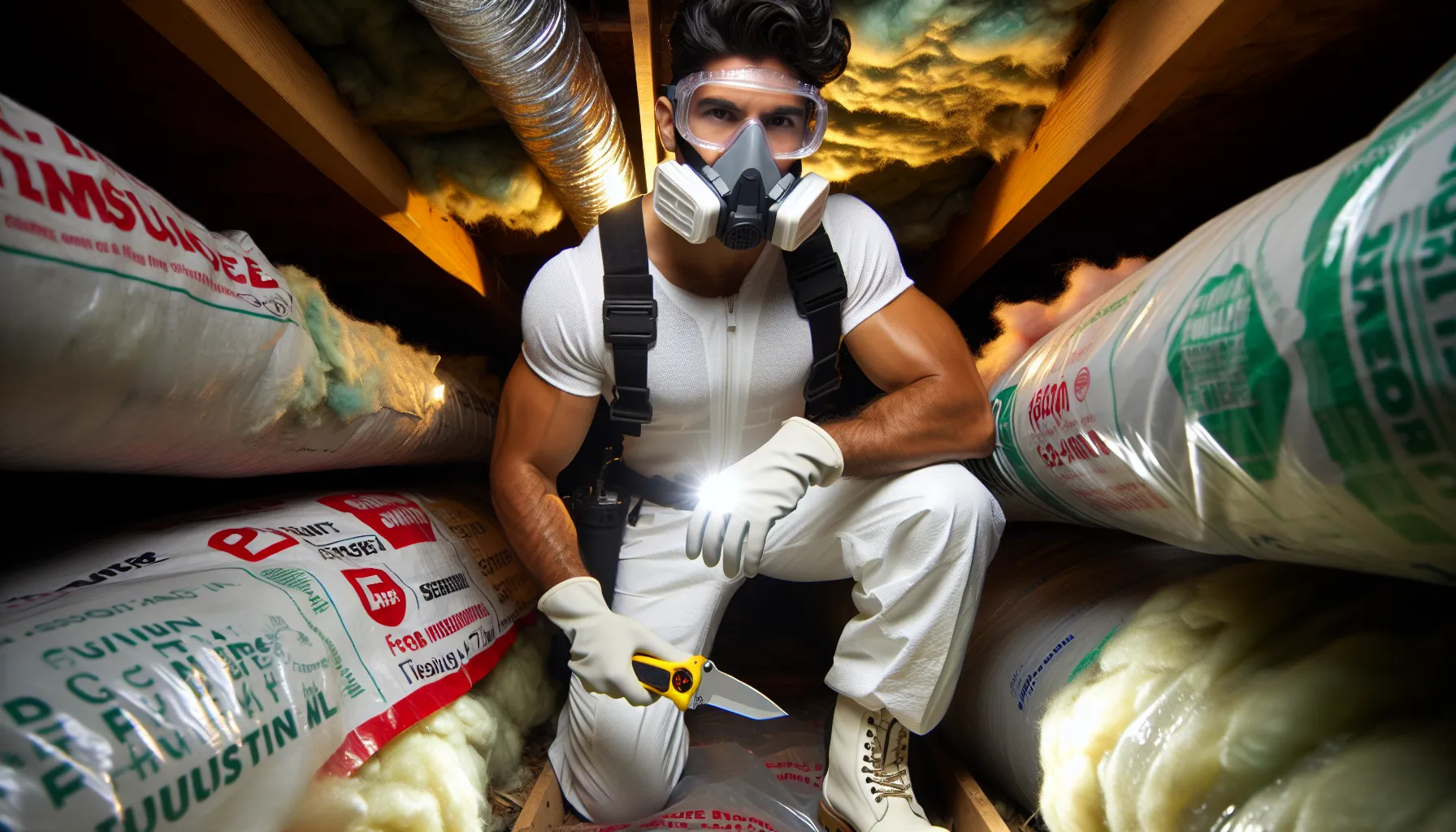
Safety lies at the core of every successful crawl space insulation project. Do you ever wonder what equipment helps maintain comfort and protects your health during these tasks? Let’s highlight the must-haves for working in confined, tricky spaces.
Personal Protective Equipment
Choosing the right protective gear keeps dust, debris, and insulation fibers away from your skin, eyes, and lungs.
- Respirator masks block harmful particles and vapor, crucial if old materials or mold are present.
- Safety goggles protect eyes from stray fibers, dust, and accidental bumps.
- Disposable coveralls prevent skin contact with insulation or potential irritants.
- Gloves shield hands from cuts, scrapes, and direct exposure to materials.
- Knee pads offer comfort and guard against pressure injuries in low-clearance areas.
- Headlamps provide hands-free lighting, a valuable resource in dim spaces.
Have you thought about which of these would make you feel most secure while working?
Tools and Materials Checklist
Efficient prep smooths out the process and helps prevent mishaps. Here’s a clear checklist of essentials to keep your project on track:
| Item | Use Case Example |
|---|---|
| Utility knife | Cutting batts, trimming vapor barrier |
| Measuring tape | Checking cavity size, insulation width |
| Staple gun & staples | Securing insulation, attaching vapor barriers |
| Heavy-duty flashlight | Illuminating dark corners |
| Plastic sheeting | Vapor/moisture barrier, draping walkways |
| Duct tape | Sealing seams, binding temporary repairs |
| Trash bags | Collecting debris and old insulation |
What other tools might make your setup easier and less stressful?
Working with these key items and gear, we help protect ourselves and create a smoother journey through each crawl space insulation job.
Preparing the Crawl Space for Insulation
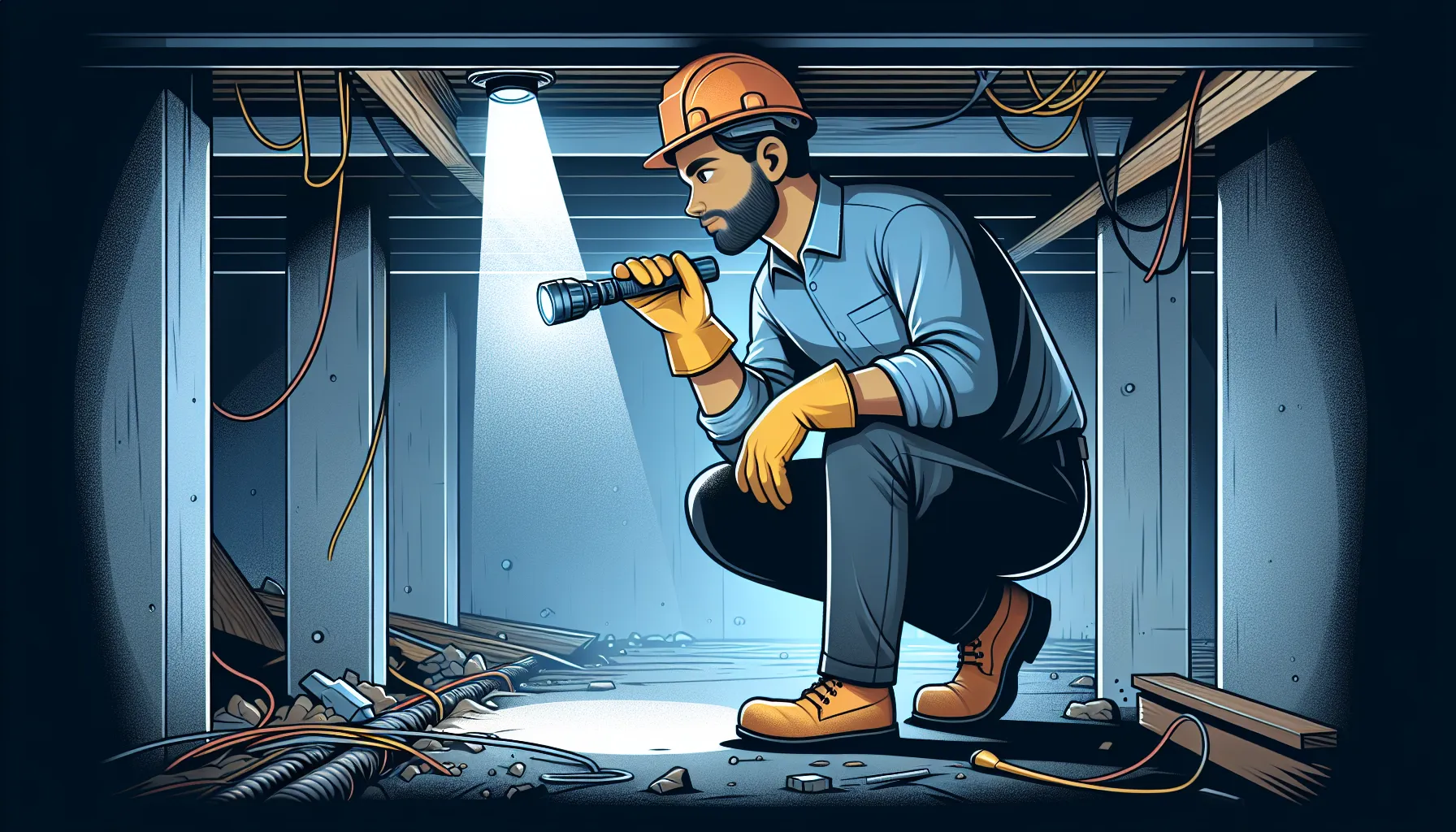
Getting the crawl space ready for insulation creates a safer and more efficient project. Taking time now means fewer surprises during installation. Have you considered how the space feels or what you may find before you start?
Assessing for Hazards
Checking for hazards comes first in preparing a crawl space. Look for water spots, leaks, or high humidity—these signals call for moisture control before insulation. Seek out exposed wires or old electrical work along walls or the ground. Inspect for sharp tools, debris, or pest droppings that could interrupt work or pose health risks. Does your space have musty odors or visible mold? Those may need attention before beginning insulation.
Ensuring Proper Ventilation and Lighting
Ventilation and lighting matter for comfort and safety in small spaces like crawl spaces. Set up a fan at the entry to move air and reduce dust or chemical fumes from insulation materials. Use bright, portable work lights or headlamps to illuminate dark corners and help spot obstacles underfoot. Adequate airflow and light make the space feel less confined—how might better lighting or fresh air change your experience in the crawl space?
Safe Installation Practices
Working in a crawl space brings specific safety challenges. Our priority is making the process safer and less stressful for everyone. Have you thought about the safest steps for your own project yet?
Handling Insulation Materials Safely
Handling insulation products with care reduces the risk of skin irritation and minimizes mess. We always wear gloves, long sleeves, and eye protection when touching fiberglass or spray foam examples. When cutting materials with a utility knife, we keep our hands clear of blades and use a firm, flat surface. Breathing in dust or fibers can be harmful, so we fit a certified respirator mask snugly before starting. After handling insulation, we wash our hands and arms immediately, disposing of waste in heavy-duty trash bags. How do you plan to stay comfortable and healthy while working with these materials?
Preventing Electrical and Fire Hazards
Identifying electrical risks comes first in any crawl space. Before starting, we switch off power to nearby circuits at the breaker panel, and use a non-contact voltage tester to check for live wires. If any electrical connections or exposed wiring are present, we leave them undisturbed and avoid laying insulation over outlets or fixtures. Fire risks also need attention. We keep insulation materials away from heat sources and avoid using open flames or halogen lamps in the workspace. Did you spot any old wiring or heat sources in your space during preparation?
Taking simple steps to address these issues creates a safer crawl space for both current and future projects.
Post-Installation Safety Tips
Checking crawl space insulation after installation protects your comfort, health, and investment. Did you notice extra dust or odd smells? Are you wondering if that new insulation is performing as expected? Here are steps you can take for peace of mind.
- Monitor air quality: Keep an eye out for musty odors or irritation after installing insulation. These signs may point to lingering moisture or airborne particles. A simple humidity monitor can track air conditions and alert you to trouble.
- Look for water leaks and condensation: After any project, it’s wise to check for damp spots or beads of water. Wet insulation loses its power and can lead to mold. Revisiting the crawl space regularly helps catch small problems before they grow.
- Inspect for mold or mildew: Scan surfaces and insulation for visible mold growth or staining. If you see discoloration or smell something earthy, it’s time to act. Promptly removing any affected material helps prevent its spread.
- Evaluate insulation placement: Check that all materials remain snug and in place a few weeks after installation. If you notice sagging or gaps, make adjustments right away. This step keeps energy loss low and comfort levels high.
- Confirm all tools and debris are cleared: Walk through to collect forgotten tools, plastic scraps, or open insulation packaging. Leaving debris can attract pests or block airflow, so a tidy crawl space benefits everyone in the home.
- Watch for pests or droppings: Insulated spaces sometimes appeal to rodents or insects. Look for newly chewed material or small piles of droppings. If you find these, sealing gaps or consulting a pest expert may help.
- Update system settings: Insulation often means your HVAC may run more efficiently. Adjust your thermostat and observe energy bills for positive changes. A noticeable decrease typically means insulation is holding heat or cool air better.
Are you facing unexpected results or unsure about an area? Taking a closer look can often clear up questions. Keep track of changes using a simple log or notebook. What new comfort or savings have you noticed so far?
Conclusion
Taking the time to approach crawl space insulation with safety in mind helps us protect both our homes and our health. When we’re prepared with the right gear and a clear plan we make the job smoother and reduce the risk of unexpected issues.
Let’s remember that careful attention before during and after installation pays off in the long run. With the right precautions we can confidently tackle our crawl space insulation projects and enjoy the benefits of a safer more comfortable home.
Frequently Asked Questions
Is it safe to install crawl space insulation myself?
Yes, it’s safe if you follow essential safety guidelines. Use personal protective equipment, check for hazards like moisture and exposed wires, and ensure proper ventilation and lighting. If you’re unsure, consult a professional.
What are the biggest risks of DIY crawl space insulation?
Common risks include limited access, moisture problems, poor air quality, electrical hazards from exposed wiring, and pests. Always check for these issues before starting your insulation project.
What safety gear do I need for crawl space insulation?
Wear a respirator mask, safety goggles, gloves, disposable coveralls, knee pads, and use a headlamp or flashlight. This gear protects you from dust, debris, and sharp objects.
How can I prepare the crawl space before insulating?
Inspect for water leaks, exposed wires, mold, musty odors, and pests. Ensure the area is dry, ventilate with fans, and use portable lights to improve visibility.
What tools are essential for crawl space insulation?
Key tools include a utility knife, measuring tape, staple gun, heavy-duty flashlight, plastic sheeting, duct tape, and trash bags for cleanup.
How do I avoid electrical hazards during installation?
Turn off power to nearby circuits, use a non-contact voltage tester, and keep insulation away from wires and heat sources to reduce risk.
How can I protect indoor air quality while insulating?
Wear a respirator mask, ensure crawl space ventilation, and properly dispose of old insulation and debris to minimize dust and harmful particles.
What should I do after installing crawl space insulation?
Check for musty odors, water leaks, or mold, inspect insulation for gaps, clear out tools and debris, and watch for pests. Update your HVAC settings if needed and monitor comfort and energy use.
How often should I inspect my crawl space insulation?
Inspect the crawl space at least once a year and after any major storms, water leaks, or HVAC work to maintain insulation effectiveness and home safety.
Should I call a professional or do it myself?
If you feel confident and follow all safety precautions, DIY is possible. However, if you encounter mold, structural issues, or complex electrical wiring, consult a professional for safety.


