
Crawl spaces often go unnoticed, yet they can have a big impact on our home’s comfort and air quality. If you’ve ever noticed a musty smell drifting up from below, you’re not alone. Many homeowners face persistent odors and wonder how to tackle them while keeping energy costs in check. Crawl space odor control and insulation provide lasting solutions to eliminate smells, improve air quality, and enhance overall home comfort.
We understand how frustrating it can be to deal with unpleasant smells and rising utility bills. Have you ever asked yourself if better insulation could help solve both problems? With the right approach, it’s possible to control odors, improve moisture management, and create a healthier living environment.
Curious about simple steps to freshen your crawl space and boost your home’s efficiency? Let’s explore practical tips that can make a real difference—without overwhelming you with complicated solutions.
Say Goodbye to Musty Crawl Space Odors
Musty smells and high energy bills often start below your feet. At All Seasons Insulation, we help homeowners tackle the source—removing old, damp insulation and installing effective new materials that reduce moisture, control odors, and improve air quality. Whether you’re dealing with stubborn smells or drafty floors, our expert insulation team delivers clean, energy-efficient crawl space solutions. Ready to freshen the air and protect your home? Contact us today to schedule your crawl space inspection and insulation upgrade
Understanding Crawl Space Odor Problems
Crawl space odor issues often stem from moisture buildup and poor ventilation. Many of us notice a musty smell when we enter these areas, which can find its way into living spaces above. Have you wondered why these odors persist despite cleaning or using air fresheners?
Dampness creates a perfect spot for mold, mildew, and bacteria. These organisms thrive on organic debris like wood, cardboard, or insulation left exposed under your home. Their growth gives off stubborn odors that linger and sometimes get worse with changing weather.
Unsealed or poorly insulated crawl spaces let outside dampness invade. Heavy rain, high humidity, or plumbing leaks can raise moisture levels. When air can’t circulate, water vapor has nowhere to go. High moisture also attracts pests and worsens air quality.
Odor problems often signal air and moisture movement between the crawl space and your home. Research shows up to 40% of a home’s air can originate from below, carrying smells and allergens along with it.
What worries you most about crawl space odors—unpleasant smells, health concerns, or energy loss? Addressing underlying causes makes a bigger difference than surface fixes, giving you cleaner air and greater comfort throughout your home.
Common Causes of Crawl Space Odors
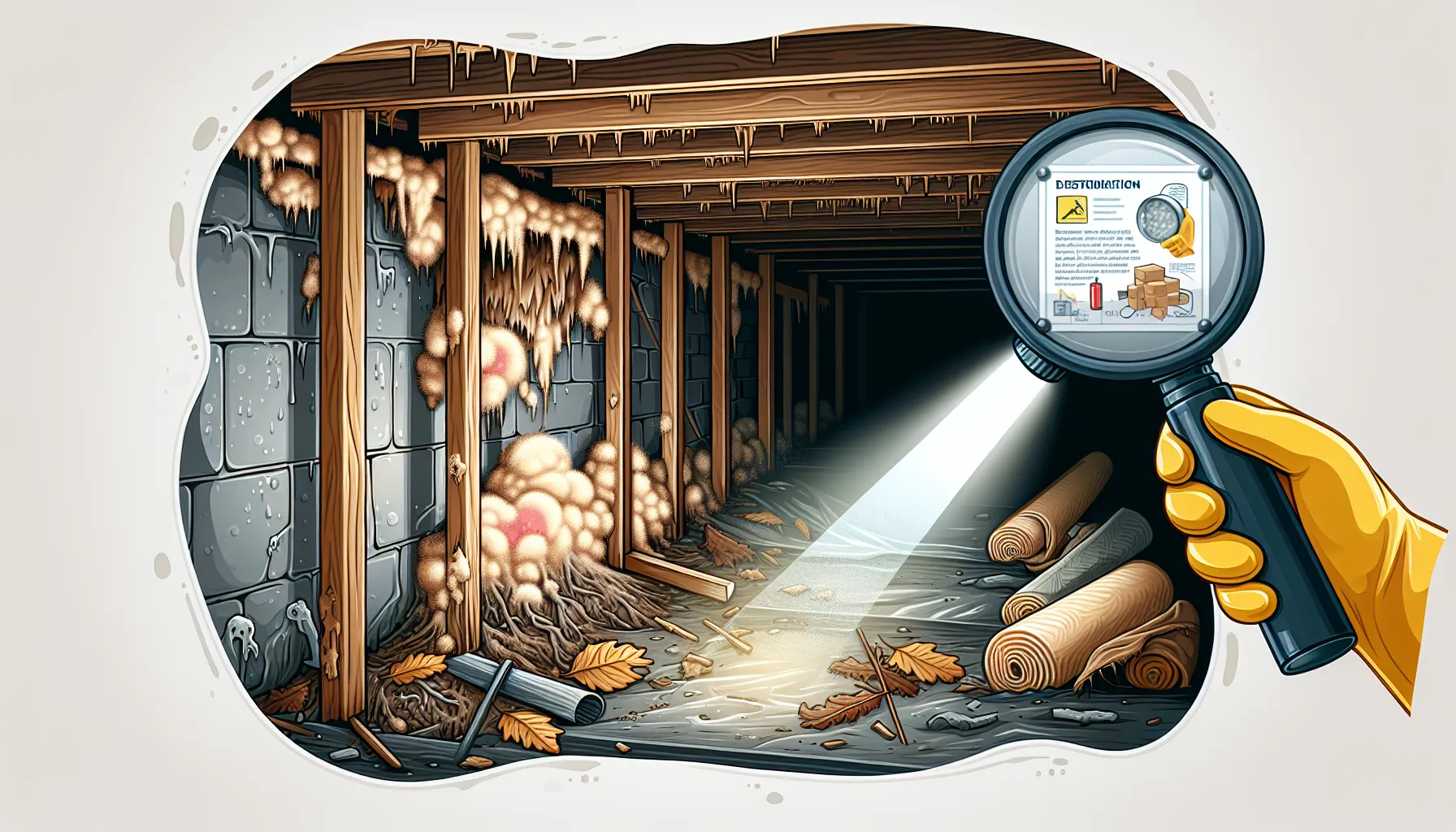
Many homeowners notice stubborn crawl space odors that seem to persist regardless of cleaning efforts. Tackling these smells gets easier once we find out what causes them. Have you struggled with musty air drifting up from below your floors? Let’s explore the sources together.
Moisture and Mold Issues
Moisture stands out as the leading cause of crawl space odors. When water enters, it creates a damp setting that encourages mold and mildew growth. These fungi produce gases called microbial volatile organic compounds (MVOCs), which create a strong, musty smell. Leaky pipes, foundation cracks, and high humidity all add to the problem by delivering extra moisture. Even small water leaks can spark mold within 24 to 48 hours, according to the Environmental Protection Agency. Increased humidity keeps materials like wood and insulation wet, causing additional odor issues. Have you ever checked for dripping pipes or puddles after it rains?
Organic Material and Pest Infestations
Organic matter, such as fallen leaves, decaying wood, or leftover construction debris, frequently collects in crawl spaces. Over time, these items break down and contribute to smelly air. Animal pests—mice, rats, raccoons, or insects—can also move in, leaving behind droppings, nests, or even trapped remains. Their presence creates potent odors that travel into living spaces. Gaps in foundation walls or broken vents give pests easy entry. Are you noticing more insects or critters around your basement or crawl area? Removing their food sources and entry points helps minimize these unwelcome smells.
Understanding these odor sources allows us to focus on solutions that keep crawl spaces fresh and comfortable year-round. What challenges have you faced with odors beneath your home?
Effective Crawl Space Odor Control Tips
Controlling crawl space odors helps create a fresher home and improves air quality throughout your living space. If you’ve noticed that musty smells linger or spread into your home, you’re not alone—many face this challenge. Which strategies have you already tried for a cleaner, more comfortable crawl space?
Proper Ventilation Strategies
Ventilation reduces odors by lowering moisture, a key source of unpleasant smells. Installing vents or exhaust fans moves air through the crawl space, removing dampness and stale air. Using vapor barriers along the ground blocks moisture from the soil, cutting down humidity levels by up to 50%. Air sealing helps keep out outside air that might carry additional contaminants. Have you checked if blocked or closed vents are trapping air in your crawl space? Regularly inspecting and adjusting ventilation settings can make a noticeable difference.
Cleaning and Deodorizing Methods
Cleaning and deodorizing target the effects of mold, mildew, and organic debris. Removing standing water stops mold growth, which develops quickly—sometimes in just 24 hours. Disposing of debris like leaves or insulation scraps eliminates odor sources. Applying antimicrobial cleaners to wood and masonry helps prevent bacterial buildup. Baking soda or activated charcoal absorbs lingering smells, providing a cost-effective step for ongoing odor control. When was the last time you checked for hidden water leaks or removed old insulation materials? Consistent upkeep—such as sweeping away debris and monitoring for mold spots—keeps odors from returning and supports a healthier home.
Insulation Tips for a Healthier Crawl Space
Confidently improving crawl space insulation addresses moisture, odor, and comfort issues. Do you notice musty smells or cold floors in your home? Thoughtful insulation choices and careful installation methods make a big difference.
Choosing the Right Insulation Material
Rigid foam boards, spray foam, and fiberglass batts provide common solutions for crawl space insulation. Each material offers unique advantages. Rigid foam boards resist water, discourage mold, and create a strong barrier. Spray foam fills gaps seamlessly, blocking air and moisture entry. Fiberglass batts suit vented crawl spaces but must stay dry to maintain effectiveness. Choosing vapor-retardant insulation further reduces humidity and helps control odors. Which material might work best for your home’s specific needs?
| Material | Water Resistance | Air Sealing | Mold Resistance | Best Use Case |
|---|---|---|---|---|
| Rigid Foam | High | Moderate | High | Unvented or damp spaces |
| Spray Foam | High | High | High | Irregular surfaces, gaps |
| Fiberglass Batts | Low | Low | Moderate | Dry, well-ventilated areas |
Installation Best Practices
Proper insulation installation directly impacts crawl space health and comfort. Sealing small gaps, cracks, and rim joists first limits moisture and air from entering. Always use a vapor barrier on the crawl space floor and walls to cut down humidity. Fasten insulation tightly against exposed surfaces to avoid gaps that let air or moisture through. Don’t block vents or drainage paths during installation—airflow and drainage both remain necessary for long-term freshness. Do you have questions about steps to keep your crawl space dry and odor free? Regularly inspecting the area after installation helps spot potential issues early. Careful attention to these details keeps your insulation effective while creating a cleaner, healthier home environment.
Preventative Maintenance for Long-Term Odor Control
Regular inspection helps stop odor issues before they spread throughout a home. We recommend checking your crawl space every three to six months for new leaks, damp patches, and signs of mold or mildew. Have you noticed any dark spots, musty smells, or increase in indoor humidity? These may signal a developing problem.
Keep surfaces dry by monitoring pipes and insulation for condensation or slow drips. Clean drains and remove any pooled water immediately to limit mold growth. Install a hygrometer to track humidity—levels above 60% increase the risk of odors and bacterial growth.
Vapor barriers offer a reliable defense against moisture. Place them over soil and exposed ground to block dampness. Is your barrier showing wrinkles, tears, or mold? Replace or repair any damaged areas quickly for continued protection.
Ventilation systems, such as fans or vents, help freshen air and remove trapped moisture. We suggest clearing debris from vents and ensuring airflow to keep humidity down. Have you experienced musty air even with open vents? Try upgrading to a powered ventilation system for added effectiveness.
Consistent cleaning removes odor sources. Sweep out leaves, pest droppings, and dirt at least twice per year. Antimicrobial sprays or solutions clean stubborn residue without leaving chemical fumes.
Insulation checks support both comfort and air quality. Inspect for sagging, water stains, or gaps. Damaged insulation allows cold drafts and moisture inside, encouraging mold and persistent smells. Sealing seams and replacing compromised sections keeps your crawl space healthy and dry.
Have you found unexpected changes, like sudden odors or increased pests? Early action reduces repair costs and keeps living spaces comfortable. Regular attention saves energy and keeps the air in your home fresher year-round.
Conclusion
Taking control of crawl space odors and insulation doesn’t have to be overwhelming. When we focus on simple yet effective steps we can protect our homes from unwanted smells and moisture while boosting overall comfort.
Let’s stay proactive with regular inspections and maintenance to keep our crawl spaces clean dry and well-insulated. With a little attention and the right strategies we can enjoy fresher air and a healthier home for years to come.
Frequently Asked Questions
What causes musty odors in my crawl space?
Musty odors usually come from excess moisture, which encourages mold, mildew, and bacteria growth. Common sources of moisture include leaks, high humidity, poor ventilation, and unsealed crawl spaces.
How does my crawl space affect home air quality?
Up to 40% of your home’s air can come from the crawl space. Problems like mold, mildew, and odor-causing bacteria in the crawl space can circulate throughout your home, impacting air quality and comfort.
What are effective ways to reduce moisture in my crawl space?
Effective methods include improving ventilation, installing vapor barriers, sealing gaps, and removing standing water. Fixing leaks and using dehumidifiers can also help keep moisture levels under control.
How can I prevent odors from returning after cleaning my crawl space?
Regular maintenance is key. Inspect every three to six months for leaks, mold, or dampness. Keep the area clean, maintain proper insulation, and monitor humidity levels to prevent odor issues from recurring.
What insulation materials are best for crawl spaces?
Rigid foam boards, spray foam, and fiberglass batts are commonly used. Rigid foam boards resist moisture, spray foam seals gaps, and fiberglass is suitable for vented spaces that stay dry.
Are there simple, affordable odor control solutions for crawl spaces?
Yes, household items like baking soda and activated charcoal can absorb odors. Regular cleaning and using antimicrobial cleaners also help control bacteria and mold that cause bad smells.
How often should I inspect my crawl space to maintain good air quality?
It’s recommended to inspect your crawl space every three to six months. Look for leaks, signs of mold or mildew, and check your insulation and vapor barriers for the best results.


