
We all want our homes to feel comfortable and safe, but hidden moisture in crawl spaces can make that challenging. How to monitor crawl space humidity becomes essential as high humidity down there can lead to mold, higher energy bills, and even structural issues. If you’ve ever worried about what’s happening beneath your floors, you’re not alone.
Remote monitoring offers a practical way to keep tabs on crawl space humidity without constant trips under the house. Wouldn’t it be helpful to know the exact conditions below your home at any time? By using smart tools and simple strategies, we can protect our living spaces, save on energy costs, and reduce our environmental impact.
Curious about how to get started? Let’s explore easy steps and proven methods to help you monitor crawl space humidity from anywhere, giving you peace of mind and a healthier home.
Monitor Crawl Space Humidity with Confidence
Concerned about hidden moisture affecting your home’s safety and energy efficiency? All Seasons Insulation can help you take control with smart crawl space solutions, from sealing and insulation to expert advice on remote humidity monitoring systems. Protect your property from mold, pests, and structural issues—before they start.
Contact us, email us, or call us at 925-935-7965 to schedule your crawl space assessment today.
Why Crawl Space Humidity Matters
Humidity in a crawl space impacts air quality and the comfort of living areas above. High humidity encourages mold growth and mildew, which can trigger allergies and respiratory problems for household members. Moist conditions also attract pests, including termites and rodents, adding to repair and maintenance headaches.
Wet crawl spaces damage insulation, reducing the thermal barrier and driving up heating or cooling costs. The Department of Energy notes that moisture in these areas often causes insulation to clump or collapse, limiting performance and increasing utility expenses.
Wood and metal support structures face long-term risk when exposed to moisture. Wood rots, metal rusts, and these changes threaten the strength and lifespan of the building. Over time, floor joists and beams can sag, and major repairs might become necessary.
Have you ever wondered why energy bills suddenly spike or why a room feels musty? Often, hidden humidity in crawl spaces causes these problems. Monitoring levels helps us maintain a stable environment, preventing damage and avoiding unnecessary energy waste.
Noise levels and indoor temperature fluctuations also link to crawl space conditions. Excess moisture allows sound to travel more and reduces the effectiveness of soundproofing materials. Proper monitoring can help us spot trends early and address them before issues become costly.
Do you find that conditions in your home’s lower levels shift with the seasons? Tracking crawl space humidity helps us identify patterns that affect comfort, safety, and even property value.
Challenges of Monitoring Crawl Space Humidity
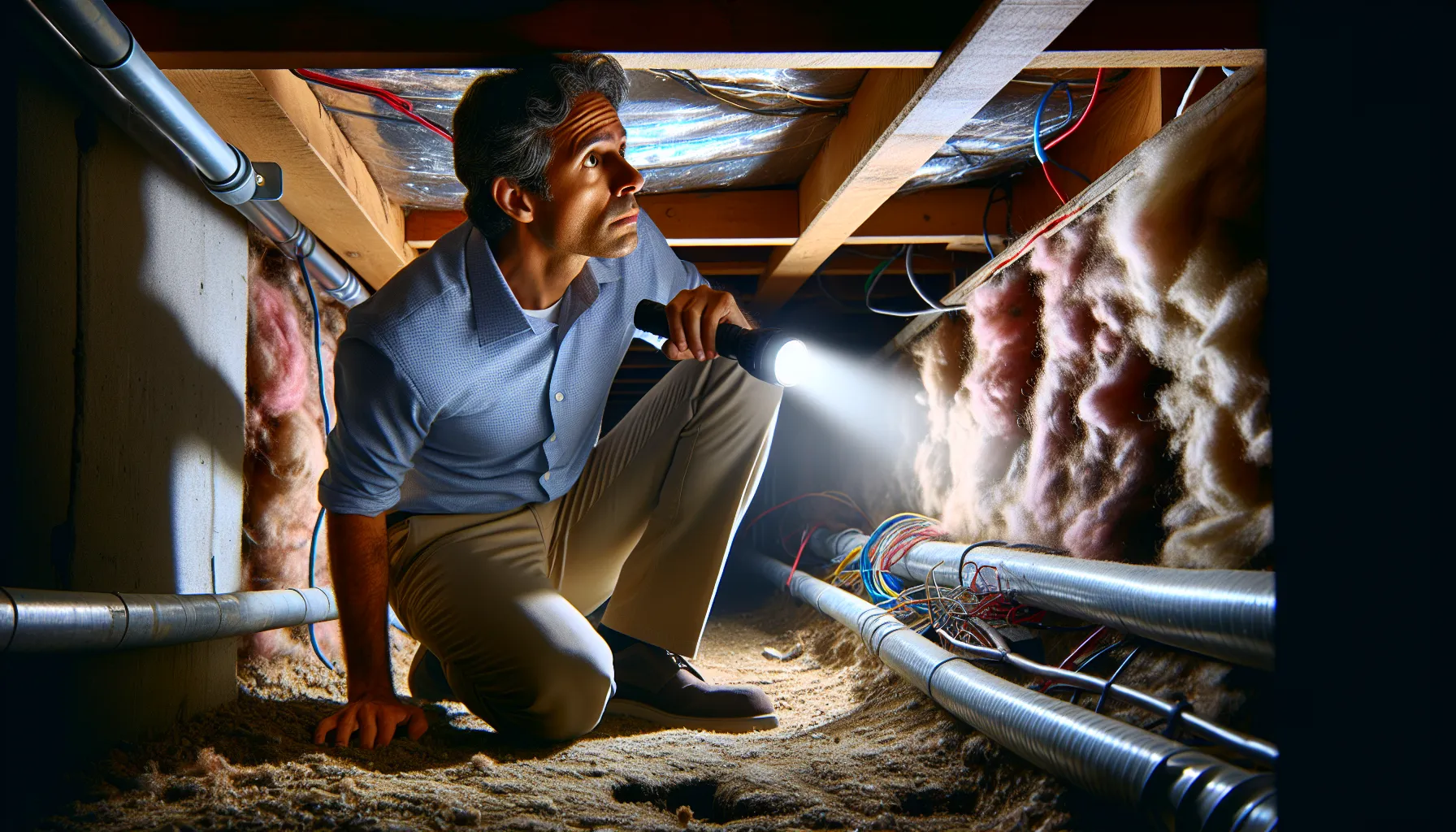
Monitoring humidity in crawl spaces brings practical obstacles that many homeowners recognize. Access often proves difficult due to tight quarters and low clearance. Even with easy entry, traditional sensors struggle to deliver reliable data because moisture and dust can corrode or block sensitive parts over time.
We regularly find that wireless signals falter beneath concrete or behind thick insulation. Does your home have materials that might block or weaken signals? It’s important to consider these barriers when choosing remote monitoring tools.
Maintaining device power also gets tricky in damp, dark environments. Batteries drain faster under harsh conditions; wired options may need safe routing to avoid water damage or pests chewing on cables. How do you typically address power supply issues in hard-to-reach areas of your home?
Crawl spaces frequently experience temperature swings and high humidity. This can impact both the performance and lifespan of monitoring equipment. Sensors can deliver inconsistent results, especially during seasonal changes. Has anyone in your household noticed shifts in temperature or humidity affecting comfort or air quality indoors?
Installation calls for selecting eco-friendly materials and using advanced sealing techniques, since moisture can linger in poorly insulated corners. Every added device means paying close attention to preserving insulation’s effectiveness for thermal and acoustic control.
Security concerns may arise too. When devices transmit data remotely, safeguarding information and preventing tampering becomes critical. How do you feel about connecting smart sensors to your home’s network?
Humidity monitoring isn’t always straightforward, but planning for these hurdles lets us defend against moisture damage, keep energy costs manageable, and protect the foundation of any structure.
Essential Features of Remote Humidity Monitoring Systems
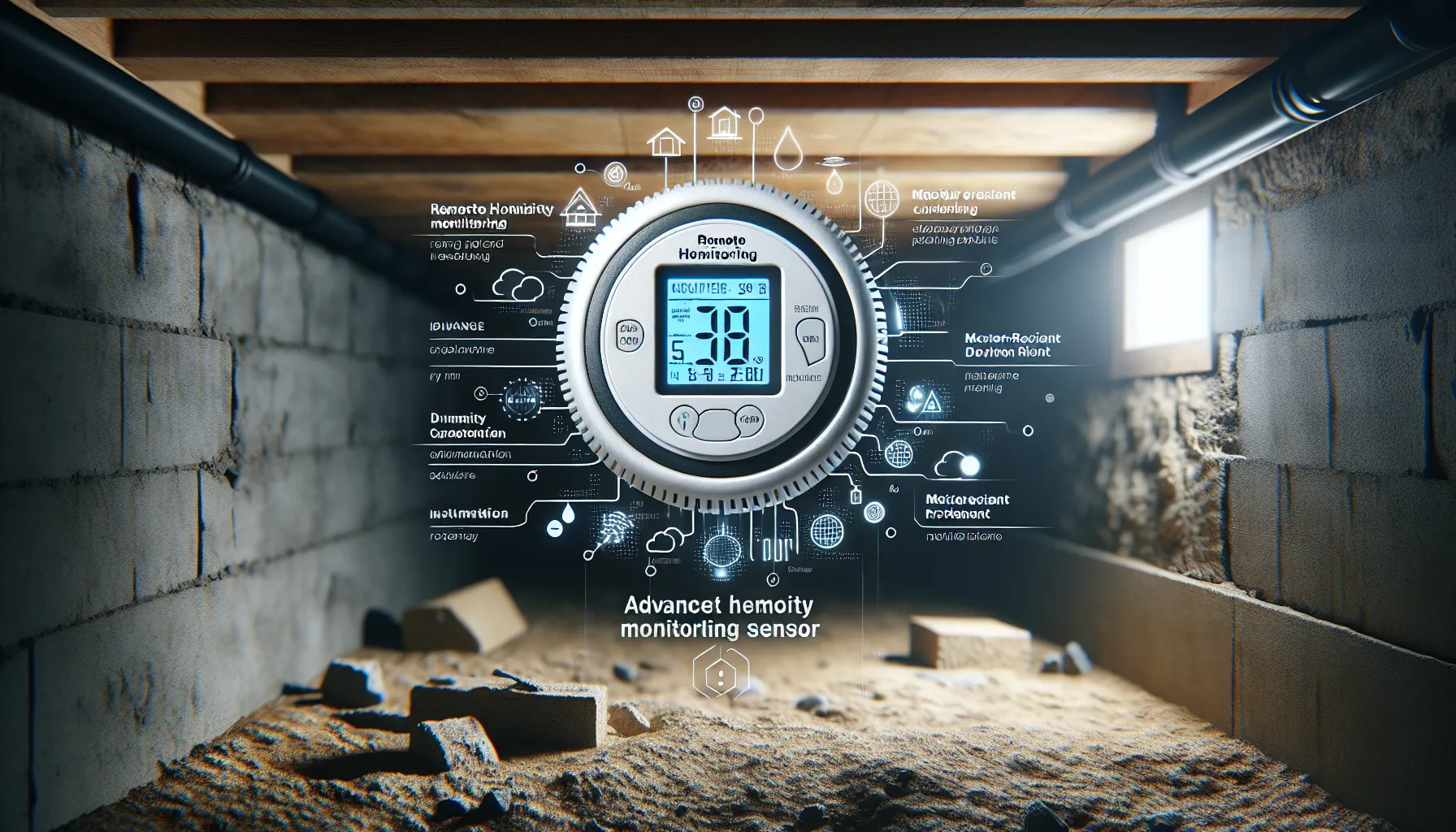
Accurate readings from remote humidity sensors help us trust our crawl space data. With reliable sensors, we quickly identify growing moisture problems before they threaten our home’s comfort or structure. How do you currently feel about the accuracy of your humidity monitoring setup?
Remote sensors that connect through Wi-Fi or cellular networks allow us to track crawl space humidity from anywhere. Strong signal capability, even through concrete or insulation, addresses challenges common in tight, shielded spaces. Would better access to real-time data lessen your worry about hidden issues?
Long battery life in remote monitors means fewer interruptions. Some systems alert us when power runs low, so we never miss a critical change in humidity. Are you confident that your sensors will keep working when conditions get tough?
Data logging and detailed trend analysis give us a complete view of changing crawl space conditions. With this insight, we spot patterns and decide quickly on the right steps. Graphs and reports add another layer of reassurance about the space’s health. What trends would you like to see in your crawl space over the next year?
Customizable alerts via text or email notify us right away if humidity climbs too high or drops sharply. Instant communication reduces the risk of damage and limits surprise maintenance costs. Do instant alerts make you feel more prepared for sudden changes?
Moisture-resistant housings and eco-friendly materials help our devices last longer in damp or harsh environments. Safe installation methods complement our efforts in noise reduction and moisture control, supporting an energy-efficient and comfortable home. Would materials that respect health and safety standards give you greater peace of mind?
Security features, like encrypted data transmission, keep our crawl space readings private. With protected data, we can focus on healthier indoor environments without concerns about privacy breaches. How important is data safety to you with your home monitoring tools?
Here’s a quick breakdown of key features to compare:
| Feature | Benefit | Typical Implementation |
|---|---|---|
| High accuracy sensors | Trustworthy moisture data | Digital capacitive monitors |
| Remote connectivity | Access from anywhere | Wi-Fi or cellular modules |
| Long battery life | Fewer replacements and continued monitoring | Low-power electronics |
| Data logging & analytics | Identifies trends for preventive action | Mobile apps, cloud platforms |
| Custom alerts | Immediate notification to users | SMS, email, app notifications |
| Moisture-resistant build | Reliable operation in damp conditions | Sealed cases, recycled plastics |
| Secure data handling | Private, safe transmission | Encrypted channels, authentication |
Which of these features matter most to you for your peace of mind and home’s well-being?
Top Methods for Monitoring Crawl Space Humidity Remotely
Remote crawl space monitoring helps us maintain healthy indoor environments and prevent hidden moisture problems. Each method brings helpful features to keep us informed and ahead of potential issues. What questions do you have about getting real-time data on your home’s air quality?
Wi-Fi Enabled Humidity Sensors
Wi-Fi enabled humidity sensors let us check crawl space conditions from any device with internet access. These sensors connect to our home network, sending live readings directly to our smartphones, tablets, or computers. Location barriers and difficult crawl space access become less stressful since we can view data without having to crawl under the house. Many of these sensors offer app-based dashboards, making readings easy to read at a glance. Have you noticed times when it’s hard to know what’s happening out of sight? Wi-Fi sensors fill this gap by putting real-time insights in the palm of our hand.
Smart Home Integration Options
Smart home integration options help us tie crawl space monitoring into the bigger picture of our house’s management. Many humidity sensors now work with smart home platforms, such as voice assistants and home automation apps. When integrated, we can receive instant alerts, trigger exhaust fans, or adjust dehumidifiers automatically if humidity rises. Have you considered how this type of automation might relieve the pressure of routine checks? With integration, actions happen fast—sometimes before we even notice a rise in moisture.
Data Logging and Alerts
Data logging and alerts play a key role in tracking crawl space conditions over time. Many remote sensors log historical humidity trends and send real-time push notifications or emails if values exceed preset limits. Saved data simplifies seasonal comparisons and helps us spot patterns before they become bigger concerns. Would you feel more confident knowing you have a record of your crawl space’s climate? Alerts give peace of mind by warning us of changes as soon as they happen, helping prevent mold and insulation troubles before they start.
Step-By-Step Guide: Setting Up Remote Humidity Monitoring
Setting up remote crawl space humidity monitoring feels manageable with straightforward tools and methods. We walk through each phase, making it simple to start tracking and controlling moisture from anywhere. What concerns or obstacles have you experienced with crawl space humidity?
Choosing the Right Sensor
Selecting the right sensor for remote humidity monitoring starts with knowing your crawl space’s needs. Look for sensors built for damp, enclosed settings, with ratings for moisture and temperature fluctuations. Prioritize models with reliable wireless connectivity, such as those that use Wi-Fi or a strong radio signal, so they can transmit data through insulation, concrete, and other barriers. Battery life matters—choose sensors advertised to last at least 12–24 months on a single charge, reducing the frequency of maintenance. Consider units that log and store data, letting you track long-term trends. Do you prefer a solution that integrates with your existing smart home system, or do you value a standalone device?
Installation and Configuration Basics
Proper installation and setup simplify long-term monitoring and maintenance. First, place the sensor off the ground, ideally mounted on a support beam or wall, to avoid direct water exposure. If your crawl space is large or divided, set up multiple sensors for comprehensive coverage. Confirm that the sensor location receives a strong signal to your home’s internet. Follow the manufacturer’s app or web portal instructions to connect the device, update its software, and set your preferred alert thresholds for humidity changes. Are there hard-to-reach spots in your crawl space that you worry the sensor might miss?
Accessing and Interpreting Humidity Data
Reviewing humidity data remotely starts with logging in to your device’s dashboard through a smartphone app or secure website. Many interfaces display current humidity percentages, historical graphs, and notifications for readings outside your set range. Watch for patterns—sudden spikes or consistent high readings may signal a moisture entry point or insulation damage. Use the data trends to plan interventions, like adjusting a dehumidifier, sealing new gaps, or scheduling an inspection. Does the idea of viewing real-time humidity data from your phone give you peace of mind, or do you find the information overwhelming without some guidance?
Tips for Maintaining Optimal Crawl Space Humidity
Careful humidity control keeps crawl spaces safer, drier, and more comfortable. What challenges have you noticed in keeping moisture levels steady over time?
- Set consistent target humidity levels.
Setting humidity between 30% and 50% helps prevent mold growth and structural damage. This range suits most homes regardless of local climate shifts.
- Monitor humidity regularly through remote sensors.
Checking data weekly flags shifts early. Historical trend reviews reveal seasonal patterns or persistent issues.
- Seal gaps and cracks in the crawl space’s perimeter.
Blocking entry points lowers the chance of external moisture or pests entering. Caulking and vapor barriers add an extra layer of protection.
- Use insulation suited for damp spaces.
Insulation rated for moisture resistance maintains its effectiveness even after repeated exposure to humidity or minor leaks.
- Manage drainage outside and inside the crawl space.
Sloping soil away from the foundation, installing sump pumps, and checking gutters help direct water away from vulnerable areas.
- Ventilate only when appropriate for your climate.
In humid climates, closing vents prevents warm, moist air from entering. In drier zones, controlled ventilation can lower humidity efficiently.
- Install a dehumidifier designed for crawl spaces.
Dehumidifiers work best in areas with persistent high humidity, especially when paired with remote sensors for real-time tracking and adjustment.
- Address water leaks swiftly.
Prompt repairs stop small leaks from causing bigger moisture and insulation problems.
- Review sensor data alerts and respond to any warnings.
Real-time notifications about humidity spikes let us fix potential issues quickly, keeping our homes comfortable year-round.
We all want lasting comfort and safety in our living spaces. What steps have worked well for your home?
Conclusion
Choosing the right remote monitoring solution gives us greater control over our home’s health and comfort. With today’s technology we can stay ahead of moisture problems and make informed decisions without ever stepping into the crawl space.
By investing in dependable sensors and following best practices for installation and maintenance we’re able to protect our property’s value and enjoy peace of mind year-round. Let’s use these smart tools to keep our crawl spaces dry safe and worry-free.
Frequently Asked Questions
Why is it important to monitor humidity in crawl spaces?
Monitoring humidity in crawl spaces is crucial to prevent mold growth, pest infestations, structural damage, and higher energy bills. High humidity can damage insulation and compromise the integrity of your home, leading to costly repairs and health issues.
What are the main problems caused by high crawl space humidity?
High crawl space humidity can cause mold and mildew, trigger allergies, attract pests like termites, damage insulation, and weaken wood or metal structures. It also increases heating and cooling costs due to reduced insulation efficiency.
How does remote humidity monitoring benefit homeowners?
Remote humidity monitoring allows homeowners to track crawl space conditions in real time without frequent inspections. Instant alerts help catch problems early, prevent damage, and maintain a safe, comfortable living environment.
What features should I look for in a remote humidity monitoring system?
Look for systems with accurate sensors, reliable connectivity, long battery life, moisture-resistant materials, data logging, customizable alerts, and secure data protection. These features ensure effective, worry-free monitoring.
Can remote humidity sensors work reliably in crawl spaces?
Yes, remote humidity sensors can work reliably if chosen carefully. Opt for moisture-resistant, durable sensors with strong wireless connectivity and a proven track record in challenging environments like crawl spaces.
How do I set up remote humidity monitoring in my crawl space?
Select a suitable sensor, ensure it has moisture resistance and long battery life, and install it following the manufacturer’s instructions. Connect it to your home network, configure alerts, and regularly check the data for trends.
What is the recommended humidity level for crawl spaces?
The ideal crawl space humidity level is between 30% and 50%. Keeping levels within this range helps prevent mold, mildew, and structural issues.
How can I reduce crawl space humidity if it gets too high?
Use dehumidifiers, seal gaps and cracks, install moisture-resistant insulation, ensure proper drainage, and promptly address any water leaks. Regularly monitor the space and respond to sensor alerts to maintain healthy humidity levels.
Is it possible to integrate humidity monitoring with my smart home system?
Yes, many modern humidity sensors can integrate with smart home systems, allowing for automated adjustments, instant alerts, and remote access to monitoring data from your smartphone or computer.
Does temperature affect the accuracy of humidity sensors in crawl spaces?
Temperature fluctuations can impact sensor readings. Choose sensors designed to perform reliably across a wide temperature range for more accurate humidity monitoring in crawl spaces.


