
Creating a comfortable and energy-efficient home doesn’t have to mean sacrificing sustainability. If you’re tackling a DIY project, choosing the right insulation products can make all the difference—not just for your space, but for the environment too. But where do you start? With so many options available, it can feel overwhelming to find materials that balance performance, affordability, and eco-friendliness.
We understand the challenges of making informed decisions for your home. That’s why exploring sustainable insulation options is essential. These products not only help reduce energy costs but also minimize your environmental footprint. Whether you’re upgrading an attic, insulating walls, or improving soundproofing, there are solutions that fit your needs while supporting a greener future.
Are you ready to transform your space while making smarter, more sustainable choices? Let’s dive into the benefits of eco-friendly insulation and how it can elevate your next DIY project.
Make Your DIY Project Greener with Sustainable Insulation
Looking to insulate your home with eco-friendly materials that perform just as well as traditional options? All Seasons Insulation offers expert insight and high-quality insulation services that support your environmental goals while keeping your home comfortable and efficient. Whether you’re tackling a DIY attic upgrade or a full home retrofit, we’re here to help you make smarter, greener choices.
Contact us, email us, or call us at 925-935-7965 to learn more about sustainable insulation solutions.
Importance Of Sustainable Insulation For DIY Projects
Choosing sustainable insulation contributes to a healthier home and environment. It reduces energy consumption, lowers utility costs, and minimizes waste in landfills. For DIY enthusiasts, opting for eco-friendly materials adds another layer of satisfaction—knowing the project supports sustainable living.
Sustainable insulation products offer energy efficiency without harmful chemicals. By using materials like recycled denim, cellulose, or sheep’s wool, DIY projects can promote cleaner indoor air quality while keeping spaces comfortable year-round. Are you prioritizing health and environmental impact in your DIY plans?
Eco-conscious choices in insulation make long-term financial sense. High-performance, sustainable materials often lead to reduced energy bills and require less replacement over time. What if your project could combine cost savings with environmental benefits? That’s what sustainable insulation achieves.
DIYers often face challenges balancing affordability and impact. Sustainable options simplify this process by aligning performance with eco-friendliness. When starting a project, do you consider how your material choices affect your environmental footprint? Sustainable insulation empowers you to make choices that matter, both for your home and the planet.
Key Features To Look For In Sustainable Insulation Products

Sustainable insulation can transform DIY projects, offering environmental benefits without sacrificing performance. Selecting the right features will help you achieve better efficiency and comfort in your home. What factors matter most when choosing insulation for your needs?
Thermal Efficiency
Prioritize insulation products with high thermal resistance, measured by R-values. Higher R-values mean better performance in reducing heat transfer, keeping homes warmer in winter and cooler in summer. Look for materials that perform well even in extreme climates, as these prevent energy loss and lower heating and cooling costs.
Eco-Friendly Materials
Opt for insulation made from natural, renewable, or recycled materials. Examples include recycled denim, cellulose from old newspapers, or sheep’s wool. These materials reduce environmental strain during production and disposal. Additionally, materials free from harmful chemicals improve indoor air quality, making homes healthier for occupants.
Cost-Effectiveness
Choose products that balance performance with long-term savings. While sustainable materials may have higher initial costs, they often reduce energy bills over time. Check for durability, as products requiring less frequent replacement enhance overall cost efficiency. Are you mindful of both immediate and future financial impacts when planning your project?
Ease Of Installation
Select insulation easy to handle, especially for DIY projects. Lightweight materials like fiberglass or batts with flexible sizing save time and effort. Pre-cut options or those requiring minimal tools simplify installations. Can simpler installation methods encourage you to take on more sustainable home improvements?
Types Of Sustainable Insulation Products
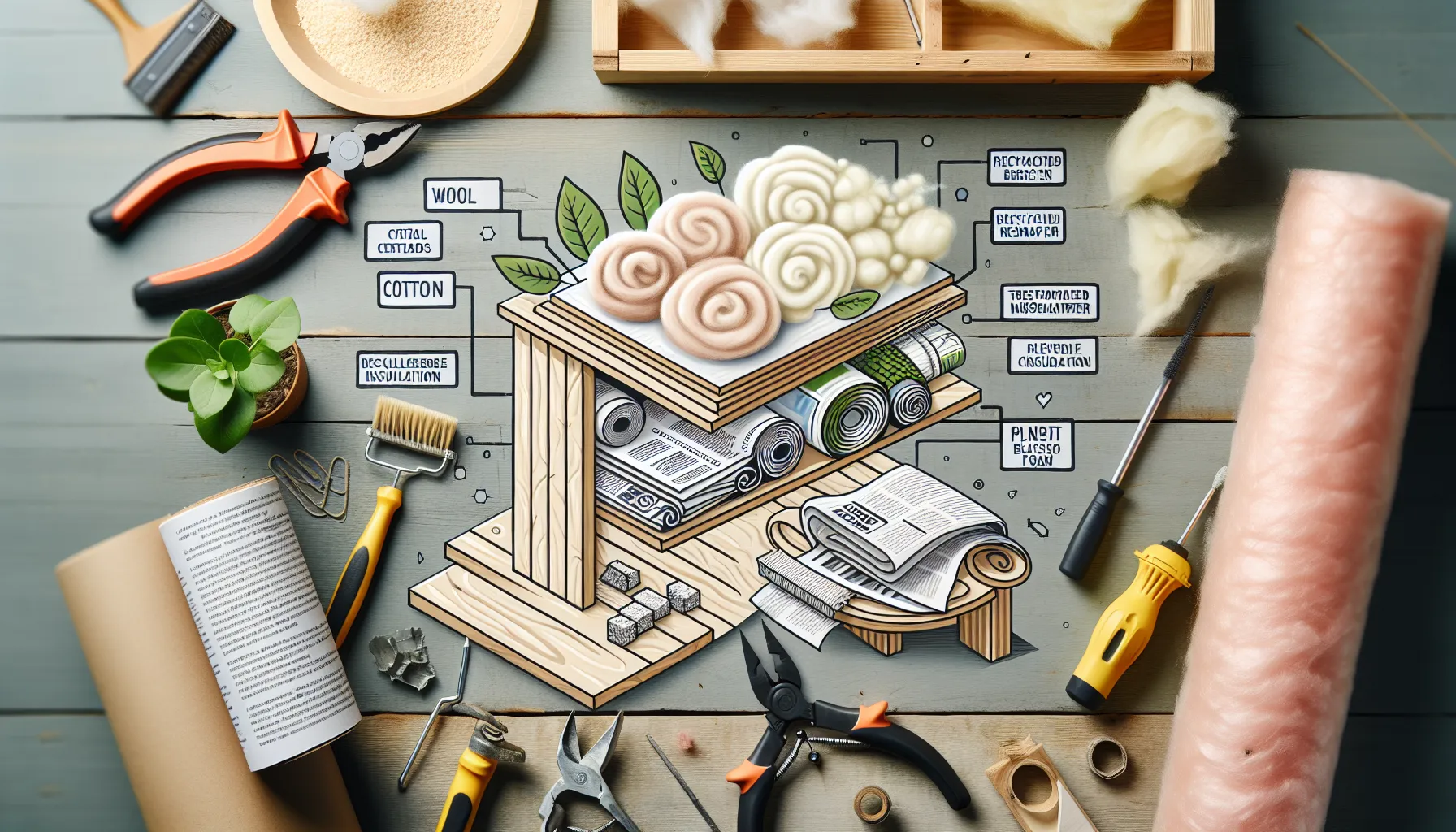
Choosing the right sustainable insulation product for your DIY project plays a significant role in energy efficiency and environmental impact. Let’s explore some options that balance performance and eco-friendliness.
Natural Fiber Insulation
Natural fiber insulation uses renewable materials like cotton, hemp, or jute. These fibers are often treated with borate for fire resistance and pest control. Cotton insulation, for example, is typically made from recycled denim, making it both sustainable and effective. It’s easy to handle and works well for soundproofing in walls, floors, or ceilings. Have you considered how renewable materials could reduce your carbon footprint?
Recycled Fiber Insulation
Recycled fiber insulation transforms post-consumer products like newspaper into an efficient solution for controlling heat transfer. Cellulose, derived primarily from recycled paper, offers high thermal performance and minimal environmental impact. It often comes in loose-fill form for easy application in attics and walls. Do you want to reduce landfill waste through your DIY efforts?
Wool-Based Insulation
Wool insulation is crafted from sheep’s wool, a natural and biodegradable material. It naturally regulates humidity by absorbing and releasing moisture without losing thermal efficiency. Wool also has inherent flame-resistant properties. This option is ideal for colder climates and provides excellent indoor air quality. How might natural moisture control benefit your home?
Plant-Based Foam Insulation
Plant-based foam insulation uses renewable resources such as soy or castor beans instead of petroleum. This type of spray foam provides strong air sealing and insulation while reducing reliance on non-renewable materials. It’s often applied in areas where air leakage is a concern, like window frames or attics. Are you exploring ways to enhance energy savings while using cleaner materials?
Top Sustainable Insulation Products For DIY Projects
Choosing eco-friendly insulation can create a comfortable, energy-efficient home while reducing environmental impact. For DIY enthusiasts, selecting the right materials can be easier with a focus on sustainable options.
Product 1: Features And Benefits
Recycled denim insulation offers excellent thermal properties while being safe to handle. This material is crafted from post-consumer and post-industrial denim fibers, making it a sustainable choice. It’s non-toxic and doesn’t require protective gear during installation, which makes it ideal for DIY use. Besides thermal efficiency, it provides soundproofing benefits, reducing noise transfer between rooms. With naturally low volatile organic compound (VOC) emissions, it enhances indoor air quality.
Product 2: Features And Benefits
Cellulose insulation, made from recycled paper products, is biodegradable and eco-conscious. Treated with non-toxic fire retardants, it delivers safety and durability. Its loose-fill format makes it easy to apply in walls, attics, or floors using basic equipment. Cellulose offers a high R-value per inch, improving energy retention. It also helps with soundproofing and can fill small gaps for better coverage. For DIY projects, it’s suitable for those seeking a clean, recyclable option.
Product 3: Features And Benefits
Sheep’s wool insulation is a natural alternative with moisture-controlling properties. This material helps regulate humidity by absorbing and releasing moisture without losing effectiveness. It’s resistant to mold and mildew, enhancing durability. The wool fibers create a dense barrier for superior thermal performance and noise reduction. Easy to cut and install, it makes a manageable choice for DIYers. Wool’s natural composition reduces VOCs, contributing to a healthier living environment.
Tips For Choosing The Right Sustainable Insulation
Choosing sustainable insulation for DIY projects can feel overwhelming, but breaking the process into manageable steps helps simplify decisions. Understanding your project needs, costs, and material sourcing can guide you toward the best options.
Assessing Your Project Needs
Start by evaluating the specific requirements of your insulation project. Consider the size and location of the space, whether it’s an attic, wall cavity, or floor. Each area may need insulation with different properties, such as moisture resistance for basements or soundproofing for interior walls. What are your goals for the space? Identifying these can help you focus on products that offer the right thermal performance, sound reduction, or eco-friendly benefits.
Think about the climate in your region. Homes in colder areas may benefit from insulation with a higher R-value. For warmer climates, materials that reflect heat can improve energy efficiency. Match the material’s features to the environmental demands of your location.
Budget Planning And Comparison
Plan your budget by balancing upfront costs with long-term savings. Sustainable materials may sometimes cost more initially, but they can lower energy bills and reduce maintenance expenses over time. How much are you willing to invest now to save later? It’s essential to calculate possible energy savings to get a full picture of value.
Research the price range for eco-friendly materials like cellulose, recycled denim, and sheep’s wool. Compare products based on their cost per square foot, R-value, and lifespan. By analyzing these factors, you’ll make more informed purchasing decisions.
Sourcing Sustainable Products Locally
Look for sustainable insulation options through local suppliers or hardware stores to minimize transportation emissions. Choosing locally sourced materials also supports your community. Are there nearby vendors specializing in eco-friendly building products? Visiting them can provide insights on availability and pricing.
Consider whether the materials meet your environmental priorities. Check for certifications or labels indicating that the insulation is made from recycled, renewable, or biodegradable materials. This step helps confirm the product aligns with your sustainability goals.
By focusing on your specific needs, budget, and local availability, you can make choices that fit your project while supporting environmentally responsible practices.
Conclusion
Choosing sustainable insulation products for DIY projects is a meaningful way to improve our homes while protecting the environment. By prioritizing materials that balance performance, cost, and eco-friendliness, we can create spaces that are comfortable, energy-efficient, and environmentally responsible.
With so many innovative options available, from recycled denim to sheep’s wool, it’s easier than ever to make choices that benefit both our homes and the planet. Let’s take the opportunity to embrace sustainable practices, reduce our carbon footprint, and invest in a greener future—one project at a time.
Frequently Asked Questions
What is sustainable insulation?
Sustainable insulation is made from eco-friendly, renewable, or recycled materials designed to reduce environmental impact. These materials often provide excellent energy efficiency while promoting healthier indoor air quality and minimizing waste.
Why should I choose sustainable insulation for my home?
Sustainable insulation helps lower energy costs, improves indoor air quality, and reduces your home’s environmental footprint. It also contributes to long-term savings and supports eco-friendly living by using materials that are safer and less harmful to the planet.
What are the best sustainable insulation materials?
Some of the best sustainable insulation materials include recycled denim, cellulose (made from recycled paper), and sheep’s wool. These materials are eco-friendly, energy-efficient, and suitable for various DIY home projects.
Does sustainable insulation cost more than traditional options?
Sustainable insulation may have higher initial costs, but it offers long-term savings by lowering energy bills and requiring less frequent replacements. This makes it a cost-effective option over time.
What makes an insulation material eco-friendly?
Eco-friendly insulation materials are made from natural, renewable, or recycled products and have minimal environmental impact during production and disposal. They also enhance energy efficiency, reducing a home’s energy consumption.
Which areas of my home benefit the most from sustainable insulation?
Common areas for sustainable insulation include attics, walls, basements, and crawl spaces. These areas significantly impact energy efficiency and can provide noticeable savings when insulated properly.
How do I choose the right sustainable insulation for my project?
Start by assessing your project needs, including the space size, location, and climate. Budget planning and considering materials with high R-values are key. Look for locally sourced products with eco-friendly certifications.
Are there DIY-friendly sustainable insulation options?
Yes, materials like recycled denim, cellulose, and sheep’s wool are DIY-friendly. They are safe and easy to install, making them ideal for DIY enthusiasts seeking eco-friendly home improvements.
Is sustainable insulation durable?
Yes, most sustainable insulation materials are designed to last for decades. For example, sheep’s wool is naturally durable, while cellulose and recycled denim maintain their effectiveness over time with proper installation.
Can sustainable insulation improve indoor air quality?
Absolutely! Sustainable insulation materials like sheep’s wool and recycled denim often lack harmful chemicals found in traditional insulation, promoting cleaner indoor air and a healthier home environment.
Do sustainable insulation materials offer good thermal performance?
Yes, sustainable materials like cellulose and sheep’s wool have high R-values, which provide excellent thermal performance. This helps to maintain consistent indoor temperatures and reduce energy consumption effectively.
Will using sustainable insulation reduce my carbon footprint?
Yes, sustainable insulation reduces your carbon footprint by lowering energy usage in your home and relying on materials that are eco-friendly, renewable, or recycled.
Are there moisture-resistant sustainable insulation options?
Sheep’s wool insulation has natural moisture-controlling properties, making it an excellent sustainable choice for areas prone to dampness. It helps prevent mold and maintains insulation performance over time.
Where can I buy sustainable insulation materials?
You can purchase sustainable insulation materials from home improvement stores, specialized eco-friendly suppliers, or local retailers. Buying locally helps reduce transportation emissions.
Are there certifications to look for in sustainable insulation?
Yes, look for certifications such as Energy Star, GREENGUARD, or Cradle to Cradle. These certifications indicate that the materials meet environmental and performance standards for sustainability.


