
We all want a home that feels comfortable year-round without breaking the bank on energy bills. Attic insulation cost vs energy savings is an important consideration, as insulation plays a big role in keeping indoor temperatures steady and reducing how much we spend on heating and cooling. But is the investment in new insulation really worth it when you compare the upfront cost to the energy savings over time?
Many homeowners wonder if upgrading attic insulation will make a noticeable difference. How quickly can you expect to see savings, and what factors influence the return on your investment? We’re here to break down the basics so you can make decisions that fit your needs and budget. Let’s explore how the right insulation can help keep your home cozy while lowering energy costs and even improving air quality.
Invest in Comfort and Long-Term Savings with Attic Insulation
Upgrading your attic insulation is more than just a home improvement—it’s a smart investment in comfort, energy efficiency, and long-term value. Whether you’re aiming to cut down on energy bills, eliminate cold spots, or extend your HVAC system’s lifespan, All Seasons Insulation is here to help with expert solutions designed for your climate and home layout.
Contact us, email us, or call us at 925-935-7965 today to start saving and living more comfortably year-round.
Understanding Attic Insulation Cost vs Energy Savings
Attic insulation often means an upfront investment, so how do we know if the long-term energy savings add up for our homes? Let’s look at what influences both sides of this equation.
Installation costs depend on factors like insulation type, attic size and layout, and existing insulation conditions. Fiberglass batts, blown-in cellulose, and spray foam all carry different price tags per square foot. For example, spray foam usually costs more but offers higher R-values and air sealing benefits. Older homes with little or degraded insulation may require additional prep, impacting out-of-pocket expense.
Energy savings begin as soon as insulation boosts thermal resistance. By reducing heat loss in winter and heat gain in summer, insulation lessens the workload on HVAC systems. Typical households see heating and cooling costs drop by 15–25% after attic upgrades, according to the U.S. Department of Energy. Actual savings depend on climate, habits, and current insulation levels. Curious about the payback period? Many projects recover costs within three to five years, depending on the initial spend and monthly utility bills. Have you ever noticed uneven indoor temperatures or frequent HVAC cycling? These can be important clues that insulation improvements could lead to real savings.
We all want reliable comfort while managing our monthly expenses. Have you considered how upgraded insulation impacts not just energy bills, but comfort and indoor air quality too? Soundproofing and moisture control often come as extra benefits, contributing to a quieter, healthier living environment. For many of us, attic insulation is a smart investment that pays off across several areas of home quality.
Factors Affecting Attic Insulation Costs
Attic insulation costs depend on several factors, each shaping the final price. Understanding these factors helps set clear expectations and supports confident decision-making. Are you curious which elements influence the investment in attic insulation most for your home?
Types of Insulation Materials
Insulation materials impact both performance and price. Fiberglass batts, blown-in cellulose, and spray foam remain common choices. Fiberglass batts generally cost less per square foot than spray foam. Spray foam offers higher energy efficiency but can require a bigger upfront investment. Want the best balance between budget and performance? Each material comes with thermal properties, installation needs, and cost per square foot.
| Insulation Type | Typical Cost per Sq Ft | R-Value per Inch | Notes |
|---|---|---|---|
| Fiberglass Batts | $0.64–$1.19 | 2.9–4.3 | Easy installation, lower cost |
| Blown-In Cellulose | $1.00–$1.50 | 3.2–3.8 | Good coverage, eco-friendly |
| Spray Foam | $1.50–$3.50 | 3.6–6.5 | Superior air seal, higher upfront cost |
Installation Methods and Labor
Different installation methods affect costs due to varying labor needs and prep work. DIY options like laying fiberglass batts can save money. Professional installation, such as spray foam or blown-in systems, involves skilled labor and equipment, which increases the total cost. Specific attic features—like hard-to-reach corners or obstructions—influence installation time and complexity. Have you thought about what kind of access your attic offers?
Home Size and Regional Climate
Home size directly impacts insulation cost since larger attics require more materials and labor. The regional climate also matters. Homes in colder climates often need higher R-values, increasing both material quantity and price. Local building codes may set minimum insulation levels, affecting the project’s total cost. How much insulation does your region recommend for attics? Consider your home’s square footage and climate zone before estimating your investment.
How Attic Insulation Impacts Energy Savings
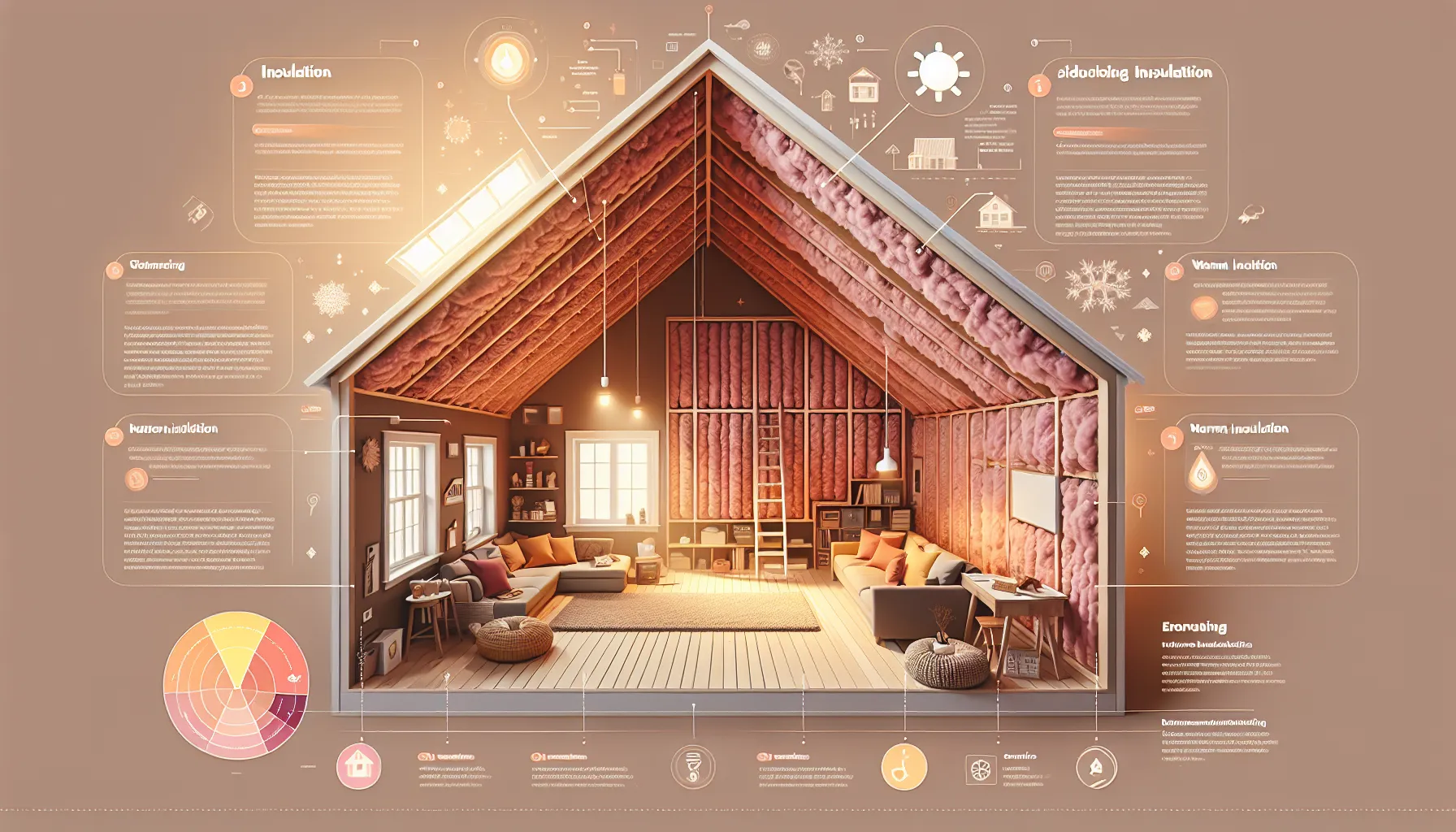
Attic insulation plays a direct role in reducing monthly energy use and maintaining more consistent temperatures throughout any living space. Have you wondered whether upgrading your attic insulation could help cut your rising energy bills?
Reducing Heating and Cooling Bills
Attic insulation reduces both heating and cooling bills by limiting the amount of heat lost during winter and preventing hot air from entering during summer. Energy models from the U.S. Department of Energy show that proper insulation can lower heating and cooling costs by 15–25% for average homes, depending on factors like insulation type, attic size, and climate zone. By minimizing air leaks and drafts, insulation helps systems like furnaces and air conditioners operate more efficiently, leading to immediate drops in monthly utility expenses. Is your home experiencing uncomfortable drafts or uneven temperatures between floors? That’s often a sign that improved insulation could make a noticeable difference in both comfort and savings.
| Insulation Measure | Average Energy Bill Reduction (%) | Typical Payback Period (Years) |
|---|---|---|
| Attic Upgrade | 15–25 | 3–5 |
Improving Indoor Comfort Year-Round
Attic insulation improves indoor comfort year-round by stabilizing indoor temperatures and reducing fluctuations that lead to hot or cold spots. Consistent insulation levels allow everyone in the home to enjoy steady comfort, regardless of the season or outside weather. When insulation effectively blocks heat loss in winter and heat gain in summer, rooms stay warmer in cold months and cooler in hot months. Have you noticed that some areas of your house never feel quite right, no matter how much you adjust the thermostat? Upgrading insulation addresses these frustrations directly, leading to better sleep, less humidity, and a quieter living environment by dampening noise transmission from outside.
Calculating Return on Investment
Evaluating attic insulation means looking at more than upfront costs. We know many homeowners wonder how soon energy savings will balance out the investment. Are you curious about how quickly you could start seeing returns?
Payback Period Estimates
Estimating the payback period for attic insulation gives clarity about when cost savings start to outweigh initial spending. Most homeowners recover costs within three to five years if they install effective insulation in a standard attic. Data from the U.S. Department of Energy shows energy bills drop by 15–25% after upgrades, depending on the insulation type and regional climate. For example, an investment of $2,000 in attic insulation for an average home—with annual energy bill savings ranging from $300 to $500—often leads to a simple payback within this range. Have you thought about how these figures compare to your current expenses?
Long-Term Financial Benefits
Looking beyond the payback period, insulation continues to support household budgets year after year. Energy savings don’t stop after the initial return—ongoing reductions in heating and cooling bills create compounded benefits over the decades. Improved insulation can also reduce the need for HVAC repairs and extend equipment lifespan. What would long-term savings mean for your family’s financial goals or future upgrades?
| Factor | Typical Range | Impact |
|---|---|---|
| Average Attic Insulation Cost | $1.50–$5.50 per sq ft | Initial outlay |
| Payback Period | 3–5 years | Break-even point |
| Typical Energy Savings | 15%–25% annually | Utility bills |
| Annual Savings (on $2,000 investment) | $300–$500 | Ongoing returns |
| Lifespan of Quality Insulation | 20+ years | Long-term value |
Would knowing your estimated payback period or total potential savings help you plan your next steps? We can help you weigh current costs against long-term advantages, giving you information for confident decision-making.
Tips for Maximizing Energy Savings
The right strategies can help us cut energy bills and improve comfort throughout the year. Curious about the simplest ways to get the most from our attic insulation investment?
Choosing the Right Insulation
Picking the correct insulation type directly impacts energy savings and comfort. Each material—such as fiberglass batts, spray foam, or blown-in cellulose—offers different R-values and pricing. Higher R-values provide better resistance to heat flow, so an area with colder winters may benefit from products with a higher R-value. For example, spray foam can seal gaps while delivering high thermal resistance, and fiberglass is budget-friendly for wide coverage. How do we balance budget and performance to match our climate and attic size?
Addressing Air Leaks and Ventilation
Fixing air leaks and providing proper ventilation helps us protect our investment in insulation. Gaps around light fixtures, attic hatches, and plumbing penetrations allow warm or cool air to escape, increasing energy waste. Sealing these using caulk or expanding foam makes a noticeable difference. Good ventilation—like ridge or soffit vents—keeps moisture under control and prevents mold by allowing fresh air to circulate. What parts of our attic could benefit from closer inspection to find hidden leaks or ventilation problems?
Conclusion
When we weigh attic insulation costs against the potential for energy savings, it’s clear that a smart investment today can pay off for years to come. By focusing on quality materials, proper installation, and addressing air leaks, we set ourselves up for lower utility bills and greater comfort.
Let’s remember that every home is unique. Taking the time to assess our specific needs and climate ensures we get the best value from our insulation upgrade. With the right approach, we can enjoy lasting benefits that go beyond just saving money.
Frequently Asked Questions
How does attic insulation affect my energy bills?
Attic insulation helps keep your home’s temperature stable by reducing heat loss in winter and heat gain in summer. This means your heating and cooling systems don’t work as hard, leading to energy savings of about 15–25% on your energy bills.
What is the typical payback period for attic insulation upgrades?
Most homeowners recover their attic insulation investment within three to five years. This payback period depends on the initial cost, local energy rates, and how much you improve your home’s energy efficiency.
Which insulation material is best for my attic?
The best insulation depends on your budget, attic size, and local climate. Common options include fiberglass batts, blown-in cellulose, and spray foam. Each type varies in cost, R-value, and ease of installation.
Can I install attic insulation myself to save money?
Yes, many homeowners choose DIY installation, especially with materials like fiberglass batts or blown-in insulation. However, professional installation ensures proper coverage and can maximize energy savings, particularly for complex attics.
How quickly will I start seeing savings from new attic insulation?
Most homes experience lower energy bills right after attic insulation is upgraded. Immediate savings typically occur in the first energy cycle, but full benefits build up over time as your HVAC system works less.
Besides energy savings, what other benefits does attic insulation provide?
Upgraded attic insulation improves indoor comfort by reducing temperature fluctuations and hot/cold spots. It also enhances soundproofing, improves indoor air quality, and can extend the life of your HVAC system.
What factors influence the total cost of attic insulation?
Costs depend on insulation type and amount needed, your attic size, existing insulation, installation method, and local labor rates. Colder regions and large attics may require higher R-values, increasing overall costs.
How does proper ventilation and air sealing affect attic insulation performance?
Sealing air leaks and ensuring good ventilation prevent moisture problems and protect your insulation. This boosts energy efficiency, keeps indoor air fresh, and ensures your insulation investment delivers maximum returns.
Can attic insulation help with hot and cold spots in my home?
Yes, proper attic insulation significantly reduces temperature swings, getting rid of uncomfortable hot or cold spots and making your home more comfortable throughout the year.
Are there long-term financial benefits to upgrading attic insulation?
Absolutely. Besides lowering energy bills, strong attic insulation reduces strain on HVAC equipment, lowers repair costs, and may increase your home’s resale value, offering continued savings and value over time.


