
Many of us know the struggle of keeping attic spaces comfortable and energy-efficient—especially when the floors and ceilings aren’t level. Uneven attics can make insulation seem tricky, leaving gaps that let heat escape and drive up energy bills. If you’ve ever wondered how to keep your home cozy when your attic isn’t perfectly flat, you’re not alone.
We understand how frustrating drafts, noise, and moisture problems can be. Have you noticed cold spots or higher energy costs and wondered if your attic could be the culprit? Choosing the right insulation can make a big difference, even in tricky spaces. What options are available to help you create a more comfortable environment while saving on energy costs?
Let’s explore practical insulation solutions that can help turn uneven attic spaces into efficient, comfortable parts of your home.
Insulate Your Uneven Attic with Confidence—Start Today
Uneven attic floors shouldn’t mean uneven comfort. At All Seasons Insulation, we specialize in attic insulation removal and installation—even in the most awkward, hard-to-reach areas. Whether your space needs spray foam, blown-in insulation, or a hybrid approach, we tailor every job to match your attic’s layout, moisture levels, and energy goals. Say goodbye to drafts, high utility bills, and cold spots. Ready to transform your attic into an energy-efficient zone? Contact us today to schedule a professional consultation.
Challenges of Insulating Uneven Attic Spaces
Insulating uneven attic spaces brings its own set of obstacles. Odd angles, tight corners, and irregular joist layouts make it difficult to cover every area properly. Have you ever wondered why drafts or cold spots linger even after adding insulation? Gaps tend to form where insulation doesn’t fit well, leading to heat loss and higher energy use.
Obstructions like wiring, plumbing, and ducts can get in the way of a smooth installation. These obstacles force us to adapt our approach for every section of the attic. Moisture often collects in valleys and low points, creating risks for mold or rot if overlooked.
Older homes may present even more hurdles. Settled framing or sagging ceilings complicate access and coverage, especially where past repairs took place. Do you worry about attic spaces that seem impossible to reach or treat? Limited access means some areas remain exposed, making it tough to deliver consistent results throughout the attic.
Finding the right insulation material for these challenging spots calls for flexibility in both method and product choice. Thick batts may not suit cramped spaces, so alternatives like spray foam or blown-in insulation can help fill irregular voids. What’s your biggest concern about attic insulation? Every property faces a mix of these challenges, but with the right planning, we can address each issue directly and create a comfortable, efficient environment.
Assessing Your Attic’s Unique Needs
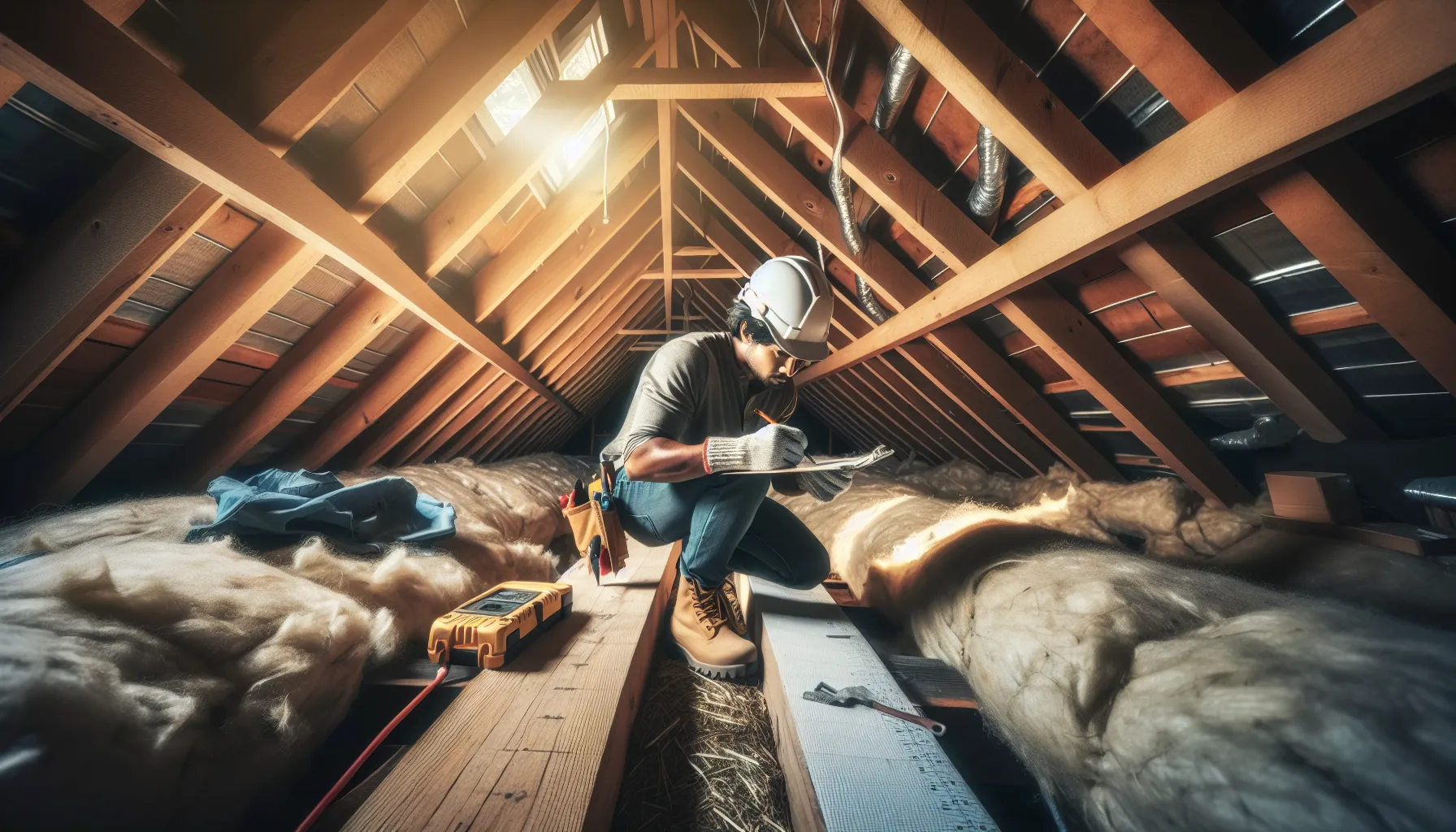
Every attic presents its own set of features and obstacles. Are you noticing drafts or uneven temperatures in certain rooms? Irregular framing, hard-to-reach spaces, and existing structures like wiring or pipes often create insulation challenges in older and newer homes alike. Taking a few minutes to carefully walk through your attic with a notebook can reveal overlooked sections that lose energy or let in noise.
Visual inspection helps identify cold spots, gaps around vents, and signs of moisture—such as dark stains or odors. Have you checked hidden corners or under low eaves lately? Pinpointing these spots is vital before choosing the right insulation solution for your space.
Measuring dimensions—including the height, width, and depth of awkward voids—lets us select materials that fit every crevice. Variations in joist spacing or ceiling height mean some areas might benefit from spray foam, while blown-in insulation can better fill irregular gaps.
Understanding ventilation is just as important. Poor airflow can trap humidity, leading to mold growth or wood rot over time. Are any soffit or ridge vents blocked or insufficient? Clearing obstructions and allowing for proper ventilation protects your attic’s insulation and the structure below.
Every attic brings its own history and quirks, which is why listening to what your space tells you is key. Which areas have caused the most trouble during different seasons? Gathering these details helps us recommend practical and effective insulation strategies for your home.
Popular Insulation Solutions for Uneven Attic Spaces
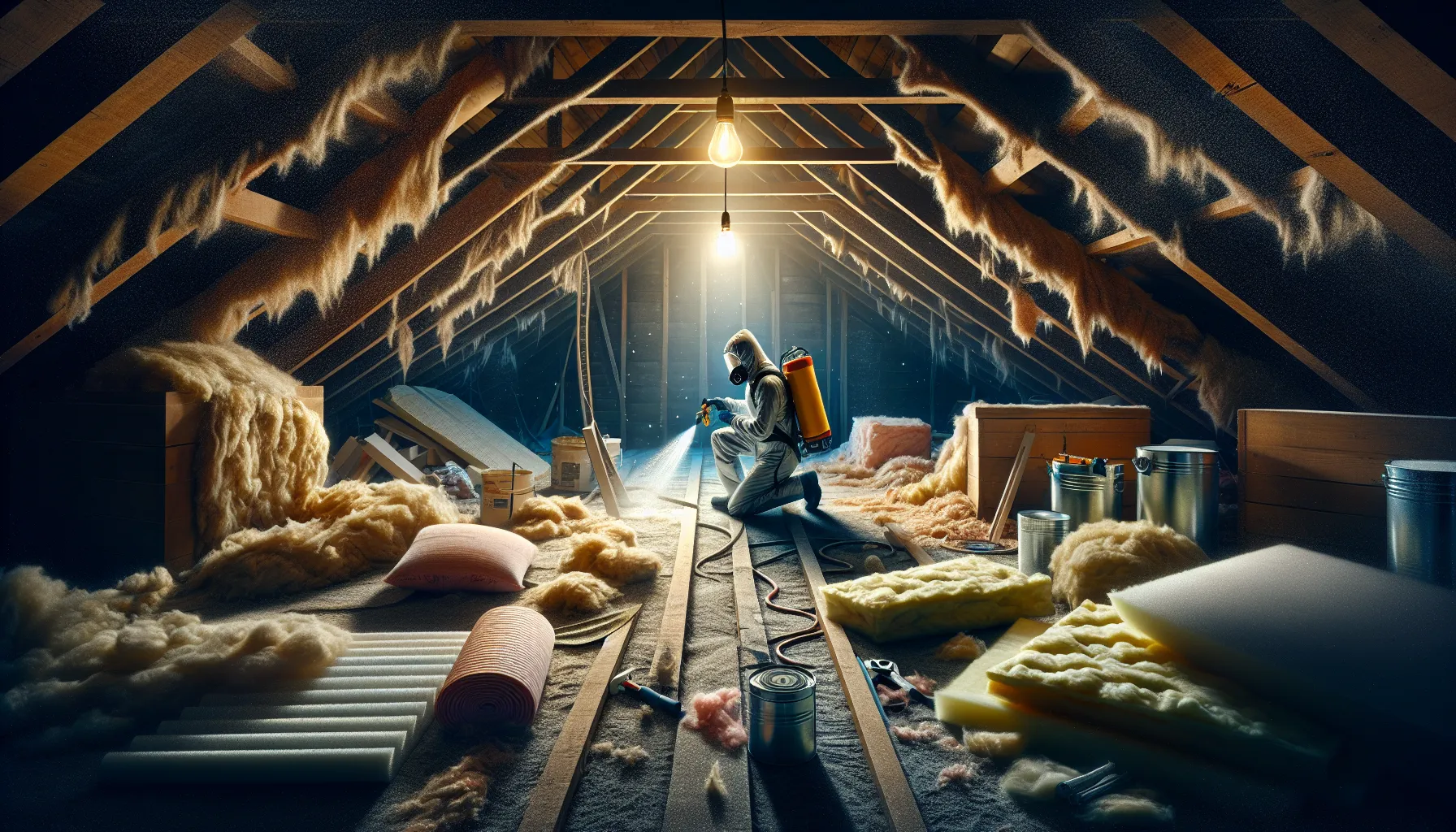
Insulating attics with irregular surfaces takes patience and the right products. Every attic is different—do you notice cold drafts in yours, or have you been wondering about better ways to block sound and moisture in those tricky gaps? Let’s look at common insulation types that help solve these challenges.
Spray Foam Insulation
Spray foam insulation adapts to all sorts of awkward shapes and hard-to-reach spots. We apply it directly to surfaces, where it quickly expands to fill cracks, seams, and corners. This method seals gaps that standard insulation may miss and provides effective air and moisture barriers. If your attic has lots of odd angles or obstacles like wiring and pipes, spray foam offers the flexibility to fit around them without leaving empty spaces. The solid, continuous coverage helps keep your indoor environment stable and quiet.
Blown-In Insulation
Blown-in insulation uses loose fiberglass or cellulose fibers blown into joist cavities and onto attic floors. It flows easily over beams, pipes, and around obstructions, filling in areas where batt insulation can’t reach. This approach is ideal for attics with inconsistent framing or varying depths. We can adjust the thickness to achieve the right protection in each area. Wondering how well your attic’s current insulation covers every corner? Gaps may be less likely with blown-in materials, resulting in more even coverage.
Batt and Roll Insulation
Batt and roll insulation, made from fiberglass or mineral wool, comes in pre-cut sheets or rolls. These work best in open, accessible spots where joists and rafters are evenly spaced. If parts of your attic are simple rectangles, installing batts is quick and cost-effective. However, cutting batts to fit tight or uneven voids takes careful measurement. We often supplement batts with spray foam or blown-in insulation to handle corners and nooks that sheets can’t fill alone. When was the last time you checked for missed sections or compressed insulation in your attic?
| Insulation Type | Best For | Advantages | Considerations |
|---|---|---|---|
| Spray Foam | Attics with many obstacles or odd angles | Superior air sealing, moisture barrier | Higher upfront cost |
| Blown-In | Irregular or hard-to-reach spaces, variable depths | Complete coverage, quick install | May settle over time |
| Batt and Roll | Open, accessible, regularly shaped spaces | Simple install, affordable | Can leave gaps in tight spaces |
Tips for a Successful Insulation Installation
Installing insulation in an uneven attic can be challenging, but some careful steps help create a more comfortable and energy-efficient home. Have you ever wondered what makes attic insulation more effective?
Addressing Air Leaks and Ventilation
Sealing attic air leaks forms the foundation of energy savings. Gaps around chimneys, pipes, and wiring let conditioned air escape, so using caulk or expanding foam blocks these trouble spots effectively. Adding weatherstripping at attic accesses, like hatches or pull-down stairs, helps stop drafts.
Ventilation keeps attics dry and prevents moisture buildup. Proper attic vent placement along the eaves and ridges lets fresh air flow, reducing the risk of mold and keeping insulation dry. During installation, it’s helpful to inspect existing vents for blockages from old insulation, debris, or dust. What signs of poor air movement have you noticed in your attic space?
Safety Considerations
Prioritizing safety during attic insulation projects helps protect both you and your home. Using protective gear like gloves, long sleeves, masks, and safety glasses shields your skin and lungs from dust and fibers. Checking the attic for exposed nails, loose boards, or unstable surfaces before starting keeps your footing secure.
If electrical wiring crosses insulation paths, switch off power at the breaker box while working near it, and always keep insulation away from recessed lighting fixtures unless rated safe for contact. Do you have hard-to-reach areas or obstacles that make insulation more challenging in your attic? Identifying these early helps decide if you want to handle the job yourself or bring in professional help.
Hiring Professionals vs. DIY Insulation
Choosing between hiring experts and handling attic insulation projects ourselves raises important questions. Is saving money the priority, or do we value confidence in long-term comfort and energy efficiency?
Benefits of Hiring Professionals
- Skill: Trained specialists bring experience working with awkward attic angles, old wiring, and tight access points.
- Tools: Advanced equipment like high-performance sprayers and blowers deliver better coverage in hard-to-reach zones.
- Results: Professional installation reduces the risk of air gaps and protects our home against energy loss, damp, and drafts.
- Safety: Teams know how to handle insulation around electrical lines, old insulation, or mold, lowering health and fire risks.
Advantages of DIY Insulation
- Cost Savings: Purchasing materials and completing work alone avoids labor fees.
- Scheduling: Flexible timing lets us work at our own pace and around our daily routines.
- Learning: Completing a task ourselves boosts our knowledge and gives a firsthand look at our attic’s condition.
What feels most important to you—saving cost, controlling the process, or having expert guidance?
Considerations for Uneven Spaces
- Experience: Complex attic layouts often challenge even seasoned DIYers as small gaps and irregular voids make full coverage difficult.
- Material Choice: Spray foam or blown-in materials offer the best results in uneven spaces but may require specialized skills or equipment.
- Inspection: Professionals diagnose hidden problems, like moisture or poor ventilation, that may be missed during a self-assessment.
Would expert help bring peace of mind, or does taking matters into our own hands sound more rewarding? Reflecting on these factors can shape how we approach insulation upgrades and long-term comfort choices in our home.
Conclusion
Every attic has its own set of quirks and challenges and finding the right insulation solution can make a huge difference in comfort and efficiency. With a thoughtful approach and attention to detail we can transform even the most uneven attic spaces into well-insulated zones that support a healthier home environment.
Whether we choose to tackle the project ourselves or call in the pros prioritizing quality materials and safe installation practices ensures long-lasting results. Let’s take the next step toward a cozier more energy-efficient home by addressing those tricky attic areas once and for all.
Frequently Asked Questions
What are the main challenges of insulating uneven attic spaces?
Uneven attic spaces often have odd angles, tight corners, irregular joist layouts, and obstacles like wiring or pipes. These factors make it hard to install insulation evenly, leading to drafts, cold spots, and increased energy bills.
Which insulation types work best for uneven attics?
Spray foam and blown-in insulation are highly recommended. Spray foam adapts to awkward spaces and seals gaps, while blown-in insulation provides even coverage in hard-to-reach areas. Batt and roll insulation is suitable for more open spaces but may need supplementation.
How can I identify problem areas in my attic?
Conduct a visual inspection to look for gaps, cold spots, and any signs of moisture. Measure difficult areas and check around chimneys, pipes, and vents for leaks. Also, observe for signs of poor ventilation or mold.
Why is ventilation important in attic insulation?
Proper ventilation prevents moisture buildup, which can lead to mold, rot, and reduced insulation effectiveness. Good airflow helps maintain a healthy attic environment and supports energy efficiency.
Should I hire a professional or insulate the attic myself?
It depends on your priorities. Professional installers have the expertise and tools for complex attics and can identify hidden issues. DIY projects can save money and let you work at your pace, but may be more challenging, especially in tricky spaces.
What safety precautions should I take when insulating my attic?
Wear protective gear such as gloves, goggles, and masks. Be cautious around electrical wiring, sharp objects, and unstable surfaces. Ensure the area is well-ventilated and avoid blocking vents during installation.
How do I address air leaks before insulation?
Seal gaps around chimneys, pipes, and wiring using caulk or spray foam. Repair any cracks or openings in the attic structure before adding insulation to boost energy efficiency and comfort.
Can attic insulation help lower energy bills?
Yes, proper insulation in the attic reduces drafts and heat loss, helping to maintain comfortable indoor temperatures and lower heating and cooling costs year-round.


