
Staying cool in hot climates can feel like a constant challenge. We know how frustrating it is to watch energy bills climb while your home still feels uncomfortably warm. That’s why many homeowners look for new ways to boost comfort and save money.
Have you ever wondered if there’s a better solution to keep heat out without cranking up the air conditioning? Radiant barriers offer a practical answer by reflecting heat away from your living spaces. With the right installation, these barriers can help lower attic temperatures and reduce overall cooling costs.
Curious about how radiant barriers work and if they’re right for your home? Let’s explore the benefits and what you should consider before making a decision. We’re here to help you create a cooler, more energy-efficient space—no matter how high the temperature climbs outside.
Reflect the Heat, Reclaim Your Comfort
Sweltering summers shouldn’t make your home feel like an oven—or your energy bills spike. At All Seasons Insulation, we install high-quality radiant barriers that reflect heat away from your attic, helping reduce indoor temperatures and lower your cooling costs. Whether you’re tired of hot upstairs rooms or want to improve your home’s energy efficiency, our expert team delivers solutions built for hot climates. Ready to make your home cooler, quieter, and more cost-effective? Contact us today to learn how radiant barriers can make a lasting difference.
Understanding Radiant Barriers in Hot Climates
Radiant barriers reflect radiant heat, helping living spaces stay cooler even during heatwaves. These barriers differ from traditional insulation because they block radiant energy instead of just slowing heat transfer. In hot climates, most heat enters homes through the roof. Attics can reach temperatures above 130°F (54°C) in summer, with up to 93% of heat gain attributed to radiant energy. Without protection, this heat travels into living areas and causes air conditioners to run longer.
Have you noticed how some rooms seem to stay warmer no matter how hard your cooling system works? Radiant barriers tackle this problem directly by reflecting up to 97% of incoming radiant heat. This reduction can lower attic temperatures by 20–30°F (11–17°C), based on data from energy efficiency studies. Less heat in the attic means lower cooling costs and improved comfort throughout your home.
Materials used for radiant barriers typically feature a reflective foil layer mounted on substrates like kraft paper or plastic films. These materials resist moisture and don’t promote mold growth, making them suitable for various environments. Installation above attic insulation or on rafters maximizes effectiveness, while proper spacing helps avoid dust buildup and maintains reflectivity over time.
Are you interested in reducing utility bills and improving comfort? Many homeowners find that radiant barriers provide noticeable savings in cooling costs within the first summer after installation. Would your home benefit from a cooler attic and a more comfortable living environment? Consider the type of heat challenges you face and whether reflecting radiant energy could be the answer to your comfort concerns.
Benefits of Installing Radiant Barriers
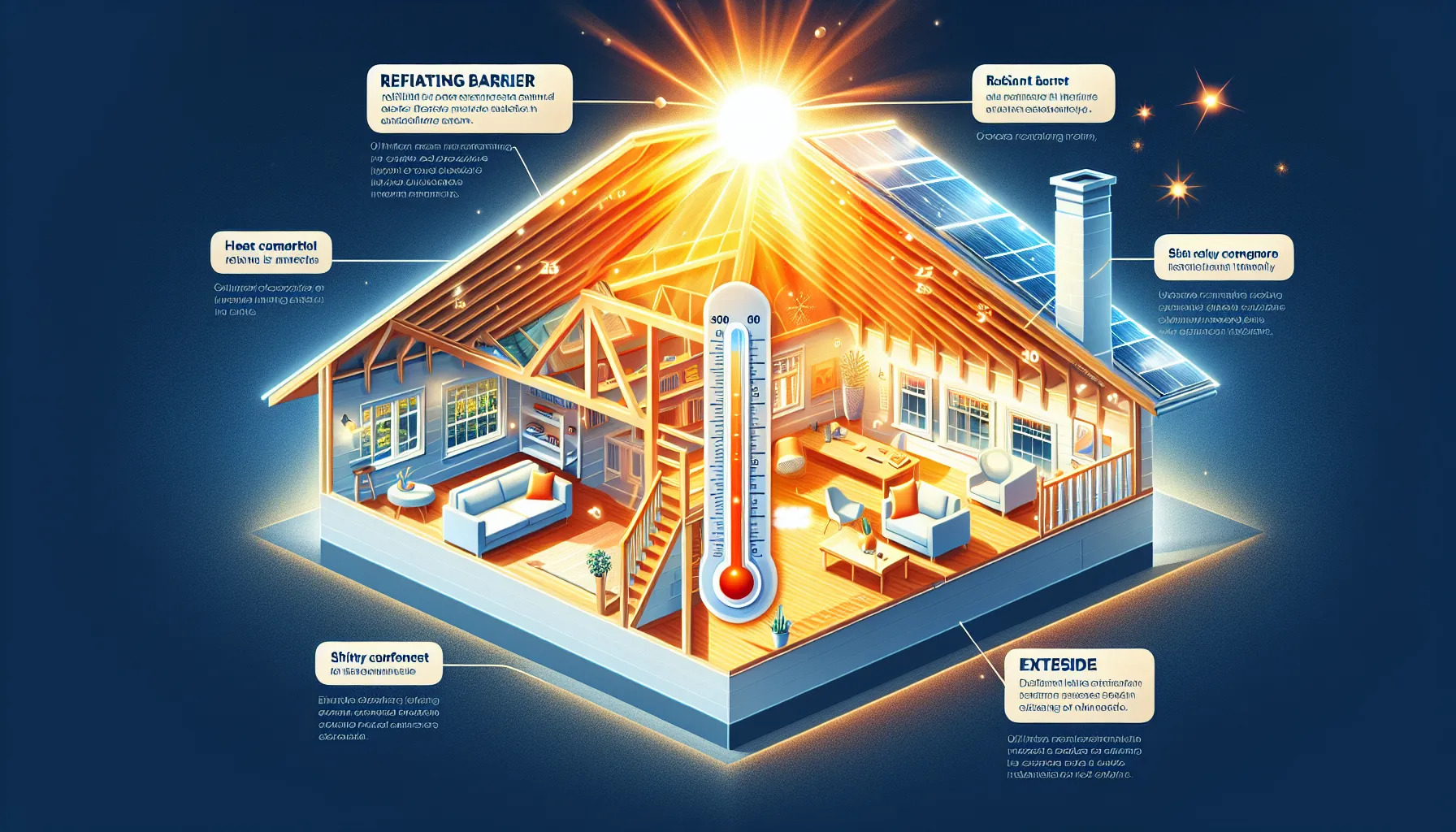
Installing radiant barriers in hot climates brings measurable and practical gains for homeowners. Curious about how a simple upgrade could make your home cooler and more affordable to maintain? Let’s look at the direct advantages.
Energy Efficiency and Cost Savings
Adding radiant barriers directly addresses heat buildup. Attics often reach over 130°F (54°C) during summer, putting extra load on air conditioning. Radiant barriers can reflect up to 97% of incoming radiant heat, lowering attic temperatures by as much as 20–30°F (11–17°C). Lower attic temps mean your cooling system works less, which cuts electricity use.
Studies show homeowners may see a 5–10% drop in cooling costs within the first year of use, depending on attic size and climate. Have you ever wondered why your cooling bills spike each summer? Reflective insulation can ease that burden and help keep expenses steady.
| Feature | Typical Result | Source |
|---|---|---|
| Attic Temperature Drop | 20–30°F (11–17°C) | Industry reports |
| Radiant Heat Reflected | Up to 97% | Manufacturer data |
| Cooling Cost Reduction | 5–10% | U.S. Department of Energy |
Improved Indoor Comfort
Radiant barriers create a cooler, more consistent indoor environment. During peak summer, rooms under an insulated attic feel less stifling and more enjoyable. Have you noticed hot spots or temperature swings from room to room? Blocking radiant entry reduces these variations, making all living spaces more pleasant.
Reflective insulation also slows heat transfer, so air conditioners cycle on less frequently. Less frequent cycling helps maintain steady temperatures and quiets noisy HVAC systems. Many homeowners report sleeping better and feeling more at ease after upgrading attic insulation with reflective layers.
What comforts matter most to you during summer? Better insulation can make those daily moments more relaxing and help maintain a healthier environment for your family.
Types of Radiant Barriers for Hot Climates

Radiant barriers come in different forms, each with strengths for blocking heat in warm regions. Choosing the right type depends on your home’s structure, attic access, and heat-reflection needs. Have you wondered which option is best for your goals and space?
Foil-Based Radiant Barriers
Foil-based radiant barriers use reflective aluminum foil to redirect radiant heat. Installation methods include stapling large rolls or sheets to rafters, laying sheets over attic insulation, or combining both approaches. Two-sided foil barriers offer added durability and can reflect heat from either direction. These products limit dust accumulation when installed facing open air spaces, helping maintain effectiveness over time. Typical foil products reflect up to 97% of radiant heat, according to the U.S. Department of Energy. Common applications include attics, unfinished basements, and garages.
Spray-On Radiant Barriers
Spray-on radiant barriers use liquid coatings applied directly to the underside of roof decks or attic surfaces. Once dry, these coatings create a thin, reflective layer that reduces radiant heat transfer. This option works well where access is limited or where traditional foil sheets are hard to install. Water-based and acrylic products dominate the market for safety and low odor. Spray-on barriers often offer performance levels similar to foil products when applied in the recommended thickness. Are you dealing with tight spaces or irregular surfaces? Spray-on options may simplify your project while providing long-term energy savings.
Preparing for Installation
Proper preparation streamlines radiant barrier installation and creates a safer, more efficient workspace. Are you ready to start transforming your attic into a cooler, more cost-effective area?
Assessing Your Attic or Roof Space
Evaluating attic or roof space gives us valuable insights before installation. We check for sufficient headroom, structural integrity and existing insulation. Ventilation plays an important role—blocked or insufficient vents may trap hot air, reducing the barrier’s performance. Common attic challenges include exposed nails, tight corners and clutter; identifying these in advance helps us plan the safest approach. Have you noticed areas that tend to get extra hot or have visible moisture issues? Pinpointing these spots helps us target heat entry points for maximum impact.
Gathering Necessary Tools and Materials
Organizing tools and materials helps us work efficiently without interruption. We gather items such as a tape measure, utility knife, stapler, ladder, safety glasses and dust mask. Proper lighting is vital in low-visibility attics. For the radiant barrier, we select the appropriate foil sheets or spray-on solution based on attic access and structure. Strong staples or adhesive keep materials secure, while a straightedge or ruler improves accuracy when cutting or positioning sheets. Do you have easy access to these tools, or are there any specific attic obstacles you want us to consider?
Step-by-Step Guide to Installing Radiant Barriers
Installing radiant barriers in hot climates helps reduce heat gain and energy costs. With the right approach and tools, we create cooler, more comfortable spaces for our families. Ready to make your attic more efficient and comfortable?
Safety Precautions
Safety comes first during any attic project. Before starting, we put on gloves, a long-sleeved shirt, and protective eyewear. Attics often have insulation fibers and nails, so prevention matters. We always check for stable rafters and walk only on the joists to avoid accidents. Good ventilation is key—opening windows or using fans helps minimize exposure to dust and fumes. Do you have help lined up or need to work solo? Either way, having a phone close by is a smart precaution.
Installing Foil Radiant Barriers
Foil radiant barriers involve laying or stapling reflective sheets to attic rafters or over existing insulation. We measure the available space, then cut the barrier to fit sections between rafters or across the attic floor. For the rafter method, we staple the barrier loosely, leaving at least ¾ inch of airspace between the foil and insulation, since direct contact reduces performance. Overlapping seams by a couple of inches, but not sealing edges, prevents trapped moisture. We keep vents clear so airflow isn’t blocked. Have you decided whether to install the barrier on the rafters or over the floor insulation? Choose the method that suits your space and cooling priorities.
Installing Spray-On Radiant Barriers
Spray-on barriers offer flexibility for hard-to-reach spaces. We use a sprayer to coat the underside of the roof deck or attic rafters. Only clean, dry surfaces accept the barrier properly, so we check for dust and moisture first. Thin, even layers work best; thick applications may lower reflectivity. Spraying takes less time in irregular or cramped attics, making it a practical choice for complex layouts. Would a quick spray application fit your attic better, or do you prefer the traditional foil option? Both methods result in a measurable drop in attic temperature and more consistent indoor comfort.
Let us know your top priorities. Is safety, speed, or lasting efficiency most important for your project?
Common Mistakes to Avoid
Overlapping radiant barriers reduce reflectivity and trap heat. Placing layers directly on top of each other can block air gaps and stop the foil from working at its best. Always keep at least a small space between the foil surface and solid materials, such as roof decking or insulation.
Missing attic ventilation causes attic temperatures to climb even with a radiant barrier. Radiant heat still needs a place to escape, so blocked or inadequate vents can lead to trapped hot air. Could your attic benefit from more vents or improved airflow?
Touching radiant barriers to insulation or dusty surfaces lowers performance. Dust or insulation on the foil cuts down the reflective properties quickly. Are there exposed areas where dust can collect?
Stapling foil tightly to roof rafters without room for air circulation reduces its ability to reflect radiant heat. Loose installation lets heat move away instead of getting stuck between layers.
Using non-reflective side by mistake causes big drops in results. The shiny side always faces the open attic space so it can send heat back out. Can you see the foil’s reflective surface after installation?
Ignoring attic access and safety matters leads to material damage or personal injury. Stepping on joists, wearing shoes with grip, and avoiding exposed wiring protect both you and the barrier.
Choosing the wrong material for humid climates lets moisture collect and encourages mold growth. Use radiant barriers with vapor-resistant backing where humidity is high. Which type fits your attic’s moisture levels?
Skipping measurements wastes both time and money. A quick attic check for surface area and obstructions prevents buying too much or too little material.
Leaving gaps or unsealed seams allows radiant heat to pass through. Overlapping edges by a few inches and taping seams boosts performance. Have you covered all large gaps?
What other installation questions or concerns do you have about radiant barriers? Your input helps us address insulation topics that matter most.
Maintaining the Effectiveness of Radiant Barriers
Keeping radiant barriers effective in hot climates helps your home stay cooler and supports long-term energy efficiency. Regular inspection prevents small issues—like dust, gaps, or moisture—from affecting performance.
Dust buildup on radiant barriers often happens over time, especially in attics with high airflow. Even a thin layer of dust can reduce reflectivity by up to 50%. Gently vacuuming or wiping with a dry cloth restores surface reflectance. Do you notice dust collecting in one area more than others? That may signal ventilation patterns that could be adjusted.
Moisture-related problems, such as condensation, undermine radiant barrier performance and may encourage mold growth. Identifying sources of humidity—like duct leaks or insufficient exhaust ventilation—protects the integrity of reflective materials. Using vapor-retardant substrates and managing attic airflow helps keep the space dry.
Mechanical damage from moving boxes or maintenance can tear or puncture radiant barriers. Even small holes let radiant heat pass through, reducing overall effectiveness. Make it a habit to check for rips during routine tasks or before storing large items in the attic. What changes have you made in your attic that could impact your radiant barrier?
Proper spacing between the radiant barrier and insulation always matters. Over time, materials can shift, especially in areas with foot traffic or storage. If the radiant barrier touches insulation, its ability to reflect heat drops significantly. Are you using your attic for storage? If so, regular walkthroughs help catch these issues early.
Professional assessments every few years help reveal problems we might overlook, especially in larger attics or multi-level homes. Infrared cameras or spot temperature checks highlight areas where barriers perform below expectations.
| Maintenance Action | Frequency | Impact on Performance |
|---|---|---|
| Dust Removal | Every 6-12 months | Restores 40–50% reflectivity if dusty |
| Moisture Inspection | Annually / after storms | Prevents mold and insulation degradation |
| Damage Check | With attic use / Annually | Blocks new heat entry points and maintains efficiency |
| Spacing Verification | Each storage change | Keeps maximum heat reflection |
| Professional Assessment | Every 2–3 years | Identifies hidden loss of effectiveness |
How often do you use your attic? Answering this question helps set the best maintenance schedule for your home. Want to troubleshoot a specific concern? List your challenges to stay proactive about radiant barrier performance and indoor comfort.
Conclusion
Choosing to install radiant barriers in our homes is a proactive step toward beating the heat and managing energy costs in hot climates. With the right materials and careful installation we can create a more comfortable living environment and enjoy long-term savings.
Let’s keep our attics cool and our energy bills in check by staying informed about radiant barrier options and maintenance. If you have questions about installation or want to share your experience we’d love to hear from you.
Frequently Asked Questions
What is a radiant barrier and how does it work?
A radiant barrier is a material, usually a reflective foil, installed in attics to reflect radiant heat away from living spaces. It differs from traditional insulation by blocking heat transfer through radiation rather than conduction or convection, helping keep homes cooler and reducing cooling costs in hot climates.
How much can radiant barriers lower my attic temperature?
Radiant barriers can lower attic temperatures by 20–30°F (11–17°C) by reflecting up to 97% of incoming radiant heat. The actual temperature reduction depends on attic size, ventilation, and local climate.
Will installing a radiant barrier save me money on cooling costs?
Yes, installing a radiant barrier can reduce your cooling costs by 5–10% within the first year, depending on your attic size, installation quality, and regional climate.
Can I install a radiant barrier myself, or should I hire a professional?
Many homeowners can install radiant barriers themselves by following safety precautions and installation guides, but hiring a professional might be best for large attics or hard-to-reach areas to ensure proper installation and maximize benefits.
What types of radiant barriers are available?
The main types are foil-based radiant barriers, which use reflective aluminum foil, and spray-on radiant barriers, which are liquid coatings applied to surfaces. Both types block radiant heat but may be better suited to different attic layouts.
Do radiant barriers work in humid climates?
Yes, radiant barriers can be effective in humid climates. It’s important to choose moisture-resistant materials and ensure proper attic ventilation to prevent mold or moisture-related damage.
How do I maintain a radiant barrier for long-lasting effectiveness?
Regularly inspect for dust buildup, moisture issues, and mechanical damage. Gently dust the reflective surface, check for water stains, maintain good attic ventilation, and ensure the barrier remains properly spaced.
What installation mistakes should I avoid?
Common mistakes include overlapping barrier sheets, blocking attic ventilation, using the non-reflective side, and incorrect sizing. Always follow manufacturer guidelines and ensure good airflow around the barrier.
How often should I inspect my radiant barrier?
Inspect your radiant barrier at least once a year, preferably before the hot season. This helps catch dust buildup, moisture, or damage early for optimal performance.
Will a radiant barrier improve my indoor comfort beyond energy savings?
Yes, radiant barriers can make your home feel cooler, reduce temperature swings, minimize hot spots, and improve overall comfort. You may also notice less HVAC noise due to reduced air conditioning cycling.


