
Choosing the right insulation for your crawl space can feel overwhelming. Many homeowners wonder whether spray foam or batt insulation will keep their homes comfortable and energy bills low. Both options promise better thermal performance and lower energy costs, but how do you know which one fits your needs?
We understand the importance of a quiet, efficient, and healthy living environment. Good insulation in your crawl space doesn’t just save money—it helps with moisture control and can even reduce noise. Have you ever noticed cold floors or musty smells coming from below your house? The right insulation could make a noticeable difference.
Curious about which insulation type could work best for you? Let’s explore the benefits and considerations of spray foam and batt insulation so you can make an informed choice for your home’s comfort and efficiency.
Upgrade Your Crawl Space Insulation with Confidence
If you’re deciding between spray foam and batt insulation, All Seasons Insulation can help you make the right call based on your crawl space’s layout, moisture levels, and long-term goals. We specialize in insulation removal and expert installation—so whether you’re battling drafts, musty odors, or energy loss, we’ve got the tools and experience to fix it. From tight corners to tricky moisture issues, we ensure every job is done with care and precision. Contact us today to schedule a consultation and take the next step toward a more comfortable and efficient home.
Understanding Crawl Space Insulation
Crawl space insulation plays a key role in keeping energy bills manageable and living spaces comfortable. We often find that homeowners wonder why the crawl space matters so much—do you notice drafts, or does your home stay too cold or too warm in certain areas? Insulation helps stabilize indoor temperatures and blocks outside moisture, which can lead to fewer problems with mold or pests.
Every crawl space brings its own set of challenges including access issues and moisture concerns. Insulation helps address these by forming a barrier against air leaks and ground dampness. Do you experience musty odors or see signs of condensation under your floor? These are common signs that existing insulation isn’t meeting your needs.
There are several ways to insulate crawl spaces. Spray foam covers uneven surfaces and seals gaps better than most materials. Batt insulation, which often uses fiberglass, fits between joists and is widely used, especially where ease of installation and cost are deciding factors. Each solution affects energy efficiency, indoor air quality, and noise levels.
Are you looking to improve comfort throughout your home or reduce monthly expenses? Proper insulation in the crawl space directly impacts both. If you have questions about material differences or installation methods, how could better insulation support your household? We’re here to help clarify how each approach influences your indoor environment.
What Is Batt Insulation?
Batt insulation offers an accessible way to manage crawl space temperatures and humidity. Many homeowners consider it for its affordability and wide availability—but how does this solution fit your crawl space needs?
Features of Batt Insulation
Batt insulation uses fiberglass or mineral wool sheets cut to fit between floor joists or wall studs. The material comes in pre-sized panels for easy placement. Facing options, like kraft paper or foil, add air and vapor barriers to help resist moisture. Thickness and R-value options support different climate zones. Fire resistance and mold resistance vary by product.
Pros and Cons of Batt Insulation in Crawl Spaces
Batt insulation provides several advantages and drawbacks for crawl spaces.
Advantage
- Affordability helps keep project budgets in check.
- Simple installation lets us choose DIY or professional services.
- Availability means replacement is quick when sections become damaged.
- Custom fit panels help fill standard joist spacing with less waste.
- Susceptibility to moisture leads to possible mold and mildew in damp crawl spaces.
- Compressing or misaligning batts can create gaps that allow air leakage.
- Lower air sealing performance compared to spray foam.
- Rodents and pests sometimes nest in exposed batt insulation.
Do you wonder if batt insulation can handle your crawl space’s moisture or temperature swings? Identifying your main concerns—like energy savings, ease of installation, or moisture control—will help clarify if fiberglass or mineral wool batts are the right option.
What Is Spray Foam Insulation?
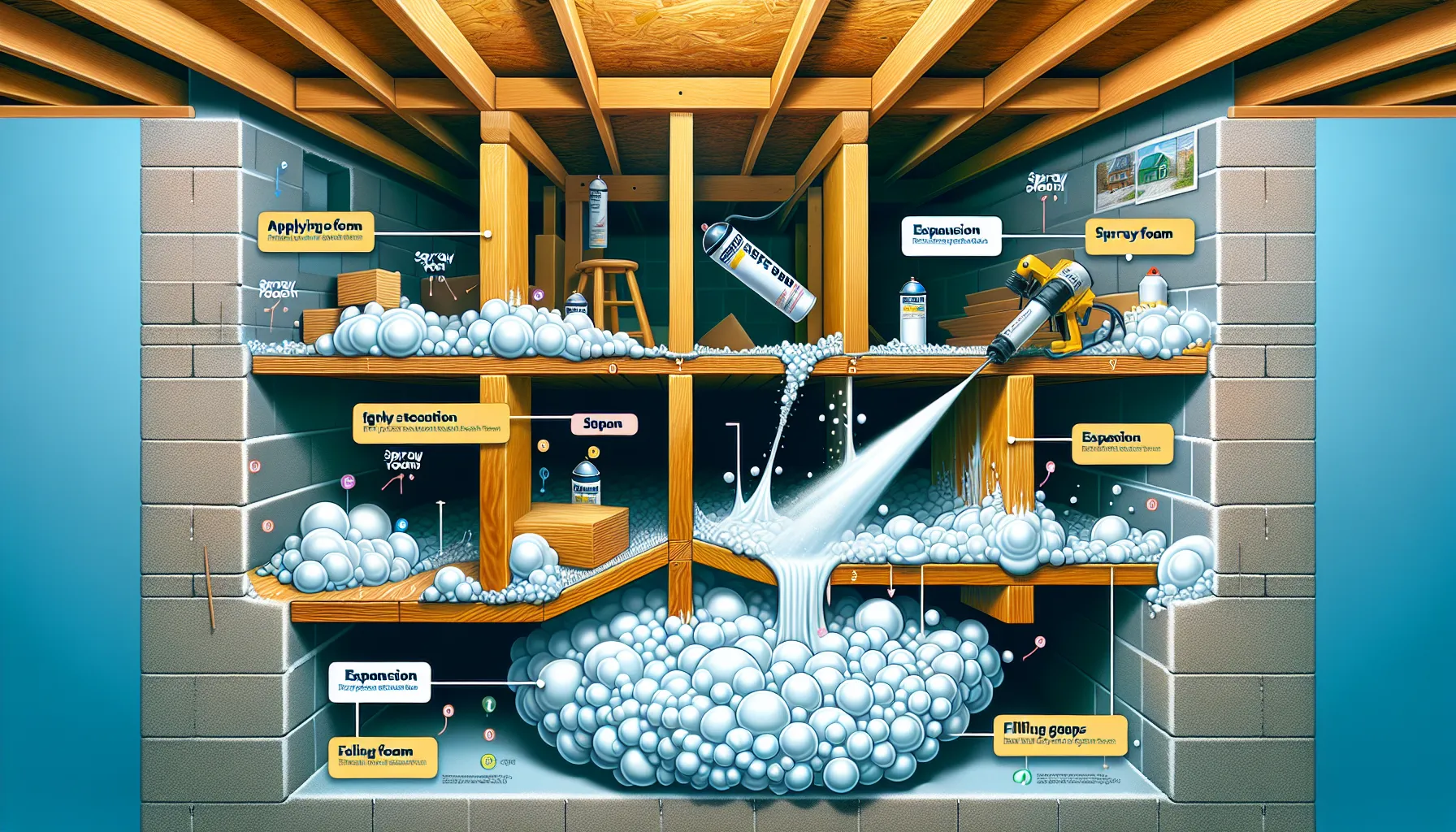
Spray foam insulation works by expanding and sealing gaps when applied to crawl spaces. This creates an effective barrier against air leaks and reduces moisture entry. Anyone looking to boost energy efficiency in their home might wonder if spray foam suits their crawl space best.
Types of Spray Foam
- Open-cell spray foam
Features a sponge-like texture and expands to fill tight spaces. Homeowners favor open-cell foam for its flexibility and sound-dampening qualities. This type of foam lets some vapor pass through, supporting situations where breathability helps control moisture.
- Closed-cell spray foam
Has a rigid, dense structure and offers higher insulating power per inch than open-cell foam. Closed-cell spray foam blocks both air and water vapor, making it an excellent choice for damp crawl spaces or areas needing a moisture barrier.
Pros and Cons of Spray Foam in Crawl Spaces
Advantages:
- Seals air leaks, reducing drafts and helping stabilize indoor temperatures.
- Offers high R-value per inch, leading to impressive thermal performance.
- Acts as a barrier against moisture, helping prevent mold growth and wood rot.
- Deters pests, since foam fills cracks and leaves fewer entry points.
Limitations:
- Costs more upfront than batt insulation, which may affect budgets.
- Must be installed by trained professionals to avoid application errors.
- Can make access to plumbing or wiring behind the foam more challenging for future repairs.
- If not applied correctly, can trap moisture and cause unwanted issues.
Are you seeking the best balance between air sealing, moisture control, and energy savings for your crawl space? Each insulation choice comes with considerations. What challenges are you hoping to solve in your space?
Spray Foam vs Batt Insulation in Crawl Space: Key Differences
Comparing spray foam and batt insulation for crawl spaces helps us choose solutions that match our comfort goals and budget. Each type brings strengths and challenges, especially for homes with concerns about moisture, drafts, or pests. What factors stand out to you as you weigh insulation options for your space?
Cost Comparison
Cost differences between spray foam and batt insulation can influence our decision. Batt insulation usually costs $0.30–$1.50 per square foot for materials and professional installation, while spray foam ranges from $1.50–$3.50 per square foot. The price of spray foam reflects the higher performance, required equipment, and certified labor. Materials impact initial budgets, but long-term savings from lower energy use sway many homeowners. How important is upfront cost versus long-term savings for your plans?
| Insulation Type | Typical Cost per Sq Ft |
|---|---|
| Batt | $0.30–$1.50 |
| Spray Foam | $1.50–$3.50 |
Installation Differences
The installation process means more than just laying material in place. Batt insulation comes in pre-cut panels or rolls designed to fit between floor joists. Installation often takes a few hours and rarely requires specialized tools. Spray foam involves spraying liquid foam that expands to seal gaps and irregular shapes. This job usually needs professional expertise and specialized safety gear. Small crawl spaces or irregular surfaces can make foam even more attractive, though installers need room to work. Are you looking for a fast solution, or do you want maximum coverage—even if it takes more time?
Energy Efficiency and Performance
Thermal performance and energy efficiency shape indoor comfort and utility bills. Closed-cell spray foam delivers R-values around R-6 to R-7 per inch, providing strong resistance to heat transfer. Open-cell foam offers about R-3.5 to R-4 per inch and better sound absorption. Batt insulation, like fiberglass, generally performs at R-2.9 to R-3.8 per inch, with higher values for mineral wool. Spray foam seals small cracks and creates a moisture barrier, cutting down on drafts and helping control humidity. Batt insulation traps air for basic thermal protection, but gaps and seams may allow air leaks or moisture intrusion. Which matters more for you—higher insulating power or ease of replacement down the line?
Factors to Consider When Choosing Insulation for Your Crawl Space
Every crawl space presents different needs, so selecting insulation means weighing several important aspects. Want to maximize comfort and protect your investment? Consider how key factors play a role in long-term effectiveness, cost, and peace of mind.
Climate and Moisture Control
Climate and moisture levels directly affect insulation performance in crawl spaces. Humid environments raise the risk of mildew and mold, especially where airflow is limited. Spray foam offers strong resistance to both air and vapor infiltration, helping to prevent moisture buildup. Batt insulation, such as fiberglass or mineral wool, holds up well in dry climates but absorbs moisture if exposed, which could lead to damaged material or odors. Have you noticed condensation or musty smells in your space? Selecting insulation with strong vapor resistance can help address persistent dampness and reduce the likelihood of indoor air quality problems.
Long-Term Maintenance
Long-term maintenance needs influence insulation value over the years. Batt insulation sometimes settles or shifts, creating gaps that limit energy savings and might require periodic checks or replacements. Spray foam, once applied, expands to fit the space and resists sagging, reducing the need for regular attention. However, spray foam may create challenges if plumbing or electrical updates arise later. Do you want a hands-off solution, or do you prefer easy access for future repairs? Thinking about repair and monitoring helps us select insulation that matches both our expectations and crawl space needs.
Conclusion
Choosing between spray foam and batt insulation for our crawl space comes down to our specific needs and long-term goals. By weighing factors like climate, budget, and future access, we can make a confident decision that supports our home’s comfort and efficiency.
With the right insulation, we protect our crawl space from moisture and drafts while also boosting our home’s energy performance. Let’s take the time to assess our space and invest in a solution that keeps our home healthy and comfortable year-round.
Frequently Asked Questions
What are the main benefits of insulating my crawl space?
Proper crawl space insulation improves thermal comfort, lowers energy bills, controls moisture, and reduces noise. It also helps prevent drafts, temperature swings, and moisture issues that can lead to mold or pests.
What’s the difference between spray foam and batt insulation for crawl spaces?
Spray foam expands to seal gaps, offering a higher R-value and moisture barrier, but costs more and requires professional installation. Batt insulation is affordable, DIY-friendly, and uses fiberglass or mineral wool panels, but is more vulnerable to moisture and air leaks.
How much does crawl space insulation cost?
Batt insulation costs about $0.30–$1.50 per square foot, while spray foam ranges from $1.50–$3.50 per square foot. Installation methods and materials can influence the total price.
Which insulation is better for humid climates?
Spray foam is better for humid climates because it seals against moisture and air infiltration, reducing the risk of mold and mildew. Batt insulation can work but is more susceptible to moisture issues.
Can I install crawl space insulation myself?
Batt insulation is easier for DIY installation and usually takes just a few hours. Spray foam should be professionally installed due to the need for special equipment and safety precautions.
Does insulation help with pest control in crawl spaces?
Yes, both insulation types can deter pests, but spray foam is more effective at blocking entry points and gaps that pests use to get inside.
How do I choose between spray foam and batt insulation for my crawl space?
Consider your crawl space’s moisture issues, budget, and accessibility. Spray foam is best for moisture-prone or hard-to-reach areas, while batt insulation is suitable for dry, easily accessible crawl spaces.
Will spray foam or batt insulation impact energy efficiency more?
Spray foam typically has a higher R-value (R-6 to R-7 per inch) than batt insulation (R-2.9 to R-3.8 per inch), making it better at preventing heat loss and improving energy efficiency.
What maintenance does crawl space insulation need?
Batt insulation may need periodic checks for settling or moisture damage. Spray foam requires minimal upkeep, but repairs or upgrades to plumbing or wiring may be harder after installation.
Will crawl space insulation help reduce noise?
Yes, both types provide noise reduction, but spray foam—especially open-cell—offers better sound dampening by sealing small gaps and cracks.


