
Finding the right insulation can feel overwhelming when allergies are part of your daily life. We know how important it is to create a living space where everyone can breathe easier and feel comfortable year-round. That’s why exploring safe insulation options for allergy sufferers is key—these materials help reduce allergens, control moisture, and support healthier indoor air quality.
Have you ever wondered how certain materials might affect your symptoms or what steps you can take to make your home safer? You’re not alone. Many people share these concerns, especially as more of us focus on healthy living environments. By choosing safe insulation, we can cut down on dust, mold, and other irritants that trigger allergies. Let’s explore what makes insulation safer for sensitive individuals and how you can make informed choices for your home or business.
Breathe Easier with Allergy-Friendly Insulation
Creating a healthier home starts with the right materials. All Seasons Insulation specializes in insulation solutions that are low in VOCs, formaldehyde-free, and ideal for those sensitive to dust, mold, and allergens. Whether you’re renovating your space or building from the ground up, we’ll help you select the safest options for clean, breathable air. Contact us, Call Now, or Email Us to speak with our experts today.
Understanding Allergies and Insulation
Allergies happen when our immune systems react to substances like pollen, dust mites, or mold. These triggers often exist in homes and businesses, sometimes hidden in walls, floors, or ceilings. You might wonder—how much of an impact does insulation have on these allergens?
Insulation can help manage allergens by controlling how air, moisture, and particles move in a building. Some materials trap dust and pollen, while others resist moisture, limiting the growth of mold and mildew. We know this matters most if you’ve noticed sneezing, coughing, or itchy eyes after spending time indoors.
Are you concerned about how insulation might affect your symptoms? Many people ask if fiberglass, spray foam, or blown-in cellulose could worsen allergies. The answer depends on how each type interacts with air and humidity. For example, products with formaldehyde and loose fibers can aggravate sensitive respiratory systems, especially if they’re old or improperly installed.
Choosing safe insulation for allergy sufferers means focusing on low-emission, hypoallergenic materials. Want a quieter and more comfortable room? Insulation with sound-absorbing properties can also reduce airborne particles that trigger allergies.
We always look at the bigger picture. Does your space have issues with moisture or poor ventilation? Pairing the right insulation material with strategies like air sealing and proper ventilation limits allergens and supports healthier indoor air. What solutions have worked for your home so far? Your experience helps guide the best insulation choice for keeping your environment breathable and safe.
Key Considerations for Allergy-Friendly Insulation
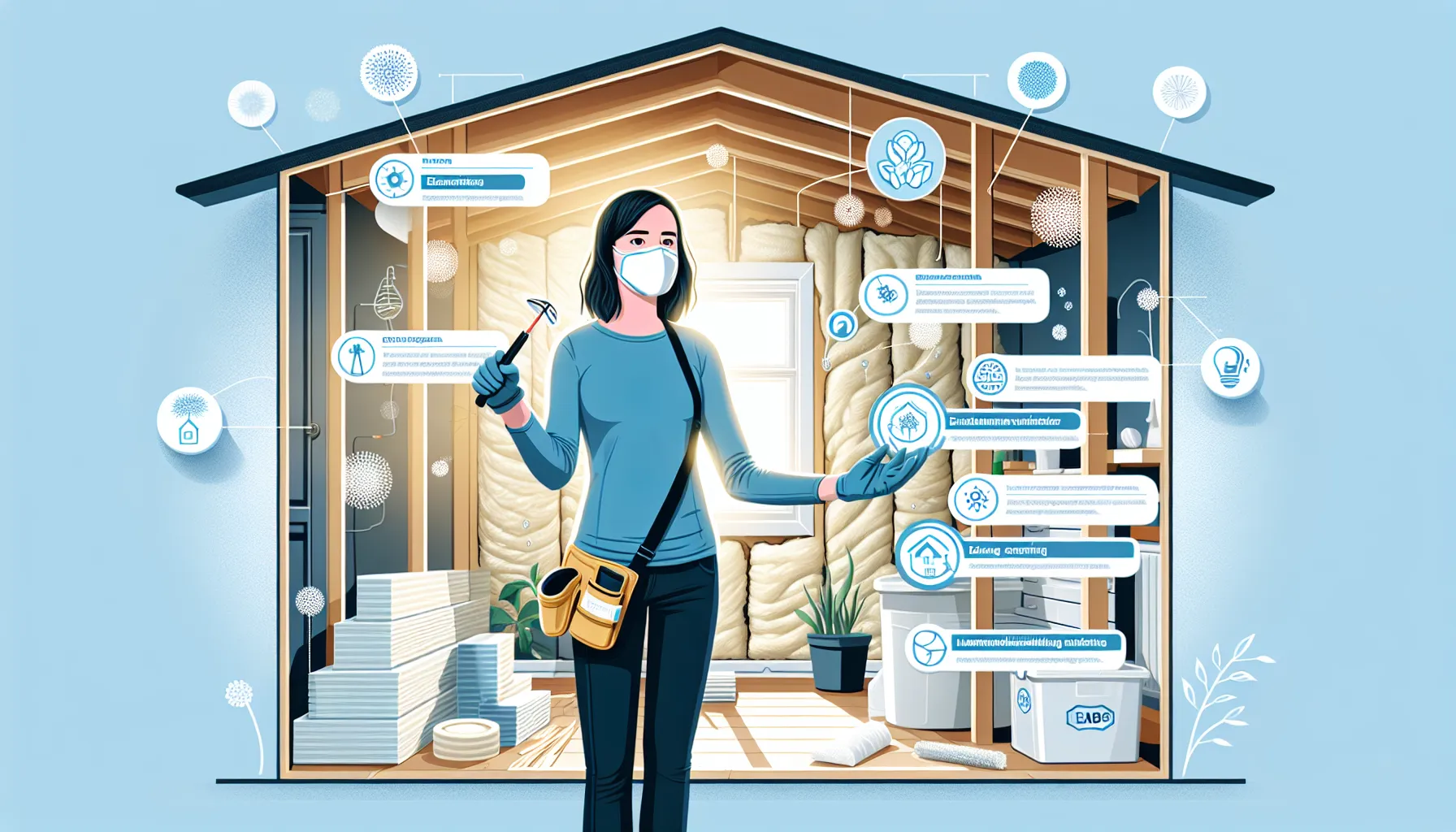
Choosing insulation for spaces where allergy control matters brings many important factors into focus. Are you looking for ways to limit allergens and create a healthier home environment? Let’s break down what helps make insulation safe for those sensitive to dust, pollen, or mold.
Low VOC and Formaldehyde-Free Materials
Selecting materials that emit minimal volatile organic compounds (VOCs) or formaldehyde supports healthier air quality. Products with low emissions release fewer particles, which reduces the risk of eye, nose, or throat irritation. For example, look for fiberglass batts labeled as formaldehyde-free or spray foams with certified low emissions.
Moisture Resistance and Mold Prevention
Resisting moisture prevents mold and mildew from developing in walls, attics, or crawlspaces. Insulation types like closed-cell spray foam and rigid foam boards limit water absorption. Preventing moisture buildup lowers the chance of mold growth, a common trigger for allergies.
Dust and Fiber Control
Limiting exposure to loose fibers or dust is key for sensitive individuals. Blown-in cellulose produces less dust when installed with proper equipment and sealing methods. Fiberglass can shed small fibers, so using batts with sealed faces or encapsulated insulation helps confine debris inside wall cavities.
Allergen Barrier and Air Sealing
Effective insulation blocks allergens and outside particles from getting in. Proper installation, combined with comprehensive air sealing, minimizes drafts and airborne contaminants. Do you want to explore how adding air barriers can further reduce pollen and dust from entering your home?
Maintenance and Cleaning Needs
Ease of cleaning and maintenance makes long-term allergen control more manageable. Insulation that stays dry and intact over time, like spray foam in attics, reduces places for dust mites and mold to thrive. How important is ongoing maintenance to you when thinking about improving your home’s air quality?
Certifications and Testing
Reviewing product certifications, such as Greenguard Gold or OEKO-TEX, helps confirm that materials meet health and safety standards. These benchmarks make it easier to select options that limit irritants and support an allergy-friendly environment.
Balancing these considerations allows us to build or upgrade spaces where allergy sufferers feel more comfortable. Which factor matters most to you as you weigh your insulation options?
Popular Safe Insulation Options for Allergy Sufferers

Choosing insulation when allergies are a concern can feel overwhelming. We understand how vital a clean, comfortable indoor environment is for your peace of mind. Have you wondered how insulation materials might impact your health and comfort?
Cellulose Insulation
Cellulose insulation uses recycled paper treated with borates. This treatment helps resist mold, pests, and fire. Many people with allergies appreciate that cellulose limits dust movement and helps control moisture. Its dense structure can trap allergens, reducing airborne irritants. Curious about eco-friendly options that can support cleaner air? Cellulose often appears on lists of greener, allergen-limiting choices.
Cotton (Denim) Insulation
Cotton insulation contains natural fibers, mostly from recycled denim. Manufacturers produce it without harsh chemicals or formaldehyde, making it gentle on respiratory systems. The soft texture resists shedding small fibers, so less dust enters living spaces. Families dealing with allergies sometimes favor cotton because it’s easy to handle and keeps indoor air quality high. Would a naturally sourced insulation help you breathe easier at home?
Sheep’s Wool Insulation
Sheep’s wool insulation filters the air as it absorbs and releases moisture. This movement regulates humidity, making it harder for allergens like mold to thrive. Wool’s protein structure traps dust and pollen, improving air quality for allergy sufferers. It’s also free from added chemicals. Looking for an option that goes beyond thermal benefits? Sheep’s wool stands out for comfort and allergen control.
Foam Insulation with Low VOCs
Foam insulation formulated with low volatile organic compounds (VOCs) helps reduce chemical emissions in the home. These products seal gaps effectively, controlling drafts and limiting the entry of outdoor allergens. Low-VOC foam appeals to those sensitive to fumes or looking to support healthier indoor air. Are you interested in insulation that guards against both pollen and pollutants? Low-emission foam checks both boxes, helping you stay comfortable all year.
Tips for Installing Insulation Safely
Prioritize safe installation practices to help allergy sufferers breathe easier. Clean work areas reduce dust that triggers symptoms, so sweep floors and vacuum surfaces before starting. Use drop cloths or plastic sheeting to contain debris and fibers, protecting other parts of the home.
Wear appropriate protective gear during installation. Gloves, N95 respirators, and long sleeves block contact with insulation fibers, which otherwise might irritate skin or airways. If you’ve ever felt itchy after handling insulation, this step makes a noticeable difference. How do you usually protect yourself when working on home projects?
Ventilate the space thoroughly. Open windows and use fans to improve airflow, especially with materials that may release minor odors or airborne particles during installation. Proper ventilation keeps indoor air fresher and minimizes any discomfort.
Seal gaps and cracks before adding insulation to control airflow and reduce allergen pathways. Focus on common leak spots like around windows, doors, and attic hatches. Sealing these areas limits the movement of dust and pollen into living spaces. Have you noticed drafts in specific rooms at home?
Select insulation materials certified for low emissions. Look for GREENGUARD or similar certifications to confirm minimal off-gassing. This consideration supports better air quality and fewer triggers for sensitive individuals.
Arrange for safe material disposal after installation. Bag up leftover scraps and vacuum any loose fibers using a HEPA filter. Quick and careful cleanup stops allergen build-up from lingering materials and keeps your household comfortable.
Maintaining Healthy Indoor Air Quality After Installation
Consistently protecting indoor air quality after installing allergy-friendly insulation brings lasting comfort. Have you wondered how simple habits can help maintain that clean air? We support allergy sufferers by applying proven strategies that limit irritant buildup inside the home.
Regularly inspecting insulation helps identify spots with possible moisture or dust accumulation. Promptly addressing leaks or water stains prevents mold and mildew. Using a HEPA-filter vacuum every week cuts loose fibers and settled dust, further reducing allergen presence.
Ventilating spaces by opening windows during low-pollen times or running mechanical systems keeps fresh air moving and cuts indoor contaminant concentration. Installing mechanical ventilation, such as bathroom or kitchen exhaust fans, targets areas prone to moisture and airborne pollutants.
Changing air filters every 1–3 months lowers the risk of dust, pollen, mold, and fibers recirculating through the air. Consider high-efficiency particulate air (HEPA) filters for added protection—these filters capture particles as small as 0.3 microns, helping to keep breathing zones clear.
Adopting a no-shoes policy and using doormats at entryways limits dirt and irritant movement inside the house. Controlling indoor humidity with dehumidifiers, especially in basements or attics, stops mold from gaining a foothold.
Are maintenance steps already part of your routine, or could a few updates help further protect your living space? Keeping a close eye on insulation and air quality pays off for allergy relief. If you notice unusual odors, visible mold, or an increase in allergy symptoms, swift action helps restore a healthy environment.
Conclusion
Choosing the right insulation is a key step in creating a healthier space for allergy sufferers. When we prioritize safe materials and proper installation, we’re not just improving comfort—we’re also protecting our long-term well-being.
By staying proactive with maintenance and making thoughtful choices, we can enjoy cleaner air and greater peace of mind in our homes or businesses. Investing in safe insulation is a simple way to support better health for ourselves and everyone who shares our space.
Frequently Asked Questions
What type of insulation is best for people with allergies?
Cellulose, cotton (denim), sheep’s wool, and low VOC foam insulations are top choices for allergy sufferers. These materials limit dust, trap allergens, and contain minimal harmful chemicals, improving indoor air quality.
Can insulation help reduce allergens in my home?
Yes, the right insulation can help by trapping dust and pollen, controlling moisture to prevent mold, and blocking allergen pathways through effective air sealing.
What features should I look for in allergy-friendly insulation?
Choose insulation that’s labeled low VOC, formaldehyde-free, and moisture-resistant. Hypoallergenic materials and those certified for indoor air quality are best.
Does fiberglass insulation worsen allergy symptoms?
Fiberglass can release tiny fibers and dust, which may trigger respiratory problems in sensitive individuals unless it’s sealed and well-contained.
Is cellulose insulation safe for allergy sufferers?
Yes, cellulose insulation is often treated to resist mold and pests, and it limits dust movement, making it a safe option for people with allergies.
How does insulation prevent mold growth?
Moisture-resistant insulation helps keep spaces dry, while air sealing stops humid air from entering walls, both of which reduce the risk of mold.
What are VOCs and why do they matter in insulation?
Volatile organic compounds (VOCs) are chemicals that can off-gas from some insulation materials. Choosing low-VOC insulation helps ensure safer, healthier air indoors.
Can I install insulation myself if I have allergies?
If you have allergies, wear protective gear (gloves, masks, long sleeves) and work in well-ventilated areas. Some may prefer hiring a professional to minimize exposure.
How do I maintain healthy air quality after installing new insulation?
Regularly inspect insulation for moisture or dust, vacuum with a HEPA filter, ensure proper ventilation, change HVAC filters often, and keep floors clean.
Are there certifications for healthy insulation products?
Yes, look for certifications like GREENGUARD or asthma & allergy friendly® labels, which indicate low emissions and compliance with strict health standards.


